
An old injury can feel settled for months and then become noticeable again as soon as activity increases.
You may return to the gym, walk farther than usual, start lifting heavier loads, or take on more physical work and feel familiar discomfort in the same area. That does not always mean the original injury has been reinjured in exactly the same way.
Sometimes the area simply has not been exposed to that level of demand in a long time.
When activity rises faster than the body can adapt, a previously injured joint or surrounding tissue may begin to feel stiff, sore, or irritated again.
When Everyday Comfort Does Not Equal Full Recovery
An area can feel completely fine during normal daily activity and still struggle when the physical demand increases.
A knee may tolerate routine walking but become sore after a long hike. A lower back may feel comfortable during the workweek and then flare after lifting. An ankle may seem fully recovered until running or uneven terrain places greater stress through it again.
After an injury, people often spend time doing less. Strength, endurance, and tolerance for repetitive or heavier activity can decline during that period. Even when pain settles, those qualities may not automatically return to their previous level.
The result can be a gap between what the area handles comfortably now and what the person suddenly asks it to do. That is why old symptoms often return after a jump in training volume, work demands, lifting intensity, or time spent on the feet.
For more insight into why symptoms can return after initial improvement, read about chiropractic care for recurring injuries in Allen.
Recognizing When the Body Is Reaching Its Current Limit
Some soreness is expected when activity increases after a period of lower demand.
General muscle soreness that gradually improves is different from pain that repeatedly returns to the same previously injured area.
More attention is warranted when discomfort appears during the same movement each time, limits normal range of motion, creates a sense of instability, or becomes stronger as activity continues.
Timing can also provide useful information. Pain that appears only after a longer or harder activity may suggest that the area is reaching its current capacity. Pain that begins earlier with each attempt, becomes sharper, or continues worsening after activity may need a closer evaluation.
Significant swelling, inability to bear weight, new numbness, or progressive weakness should be assessed promptly.
A functional movement assessment can help identify movement differences, restrictions, or control issues that may still affect how the body handles increased activity.
Rebuilding Capacity for a Stronger Return to Activity
When an old injury becomes symptomatic again, care should reflect what the area is being asked to do now.
At ZENITH Injury Relief & Wellness Clinic in Arlington, injury chiropractic care begins with reviewing the previous injury, the recent increase in activity, and the movements that bring the discomfort back.
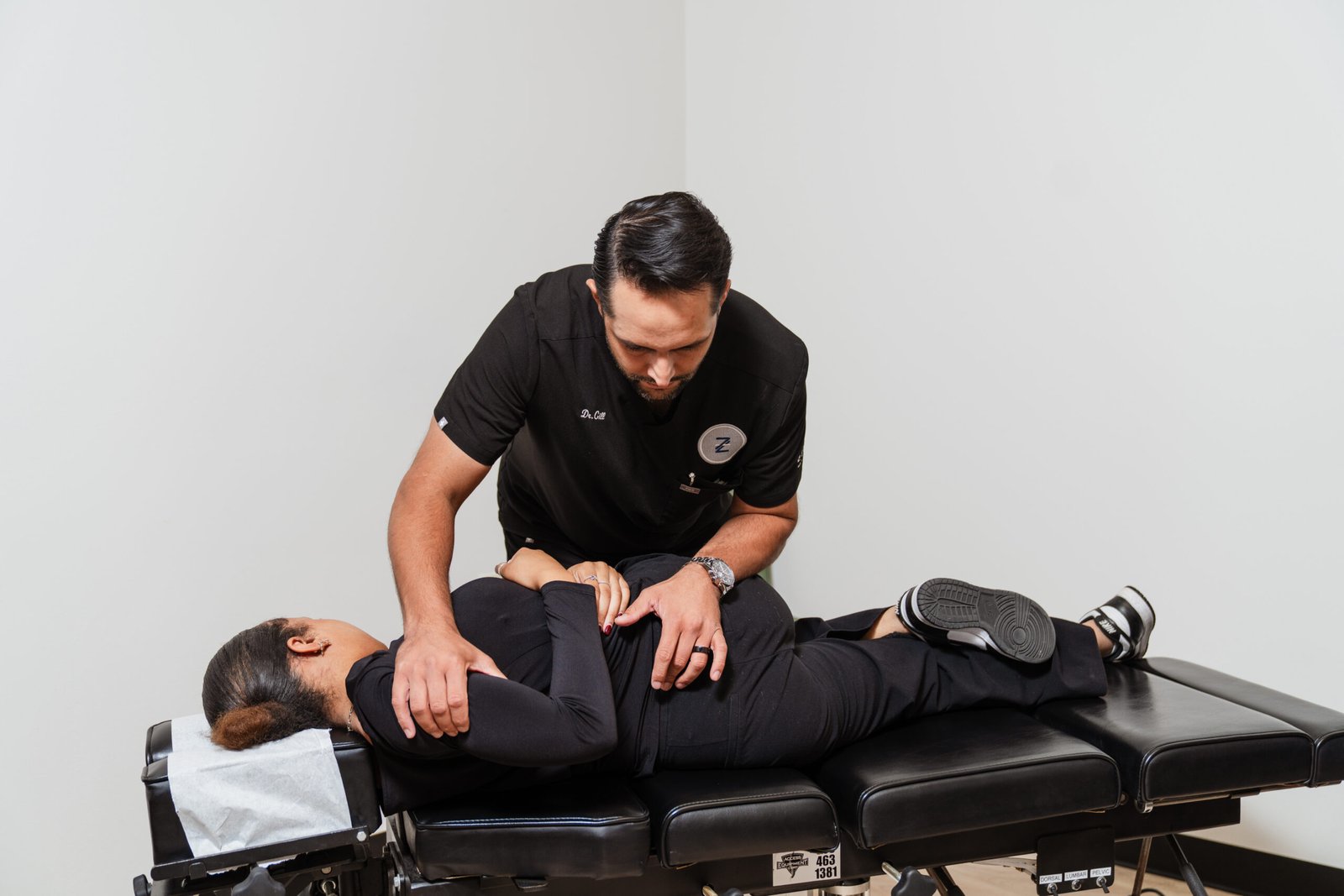
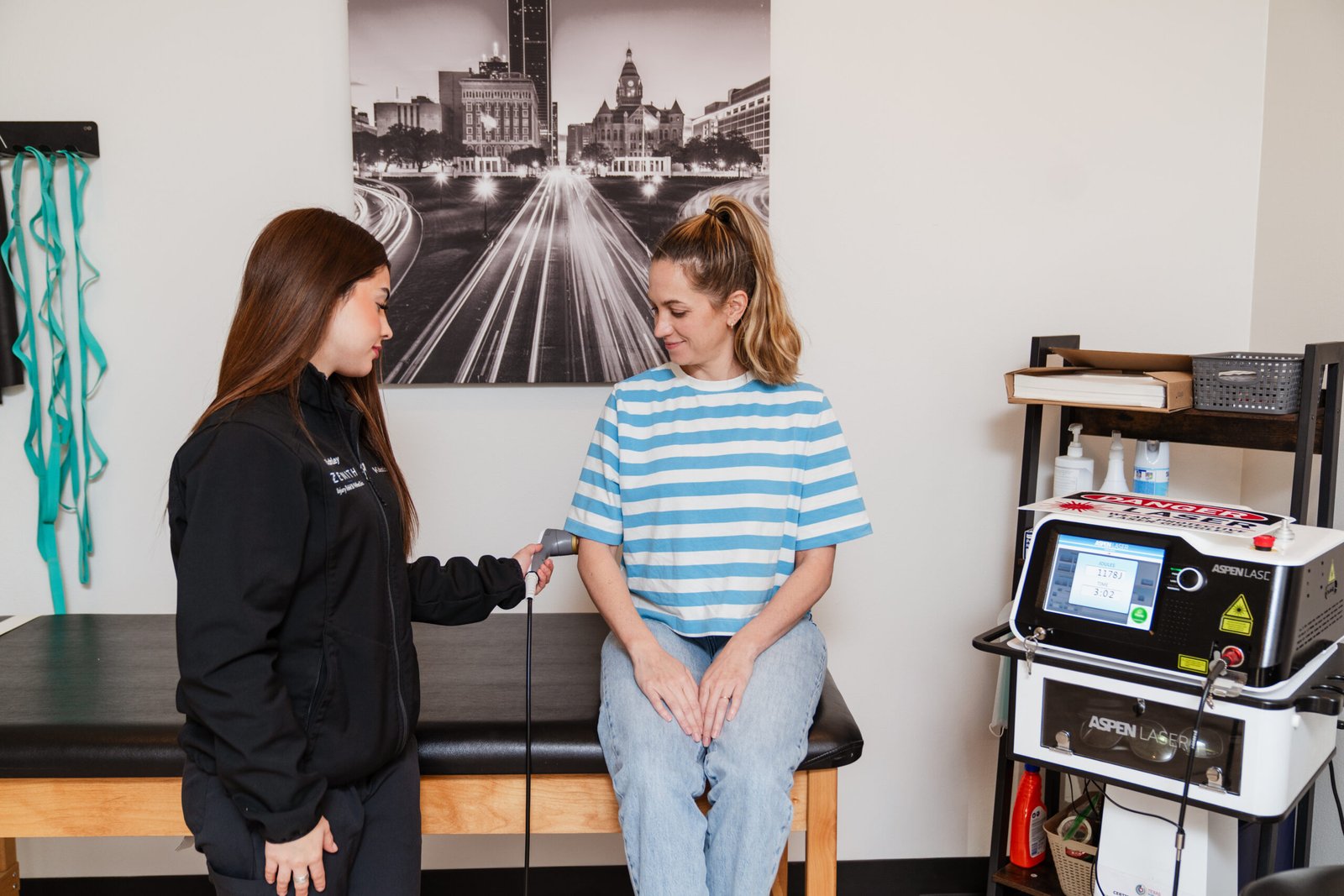
Depending on the findings, care may include chiropractic adjustments, soft tissue treatment, mobility work, physical rehabilitation, or other supportive therapies.
For some patients, improving joint motion may be an important part of recovery. For others, the bigger need is rebuilding strength, endurance, or tolerance so the area can handle longer, heavier, or more repetitive activity without becoming irritated.
Activity may also need to be progressed in stages rather than jumping directly back to a previous level.
The aim is to help the body handle real physical demand more effectively, not simply make the area feel better while activity remains limited.
If a previous injury has started bothering you again after increasing exercise, lifting, walking, or physical work, schedule an injury chiropractic evaluation with ZENITH. We can assess how the area is responding now and create a plan focused on restoring function and supporting a more sustainable return to activity.