
Not every chiropractic visit starts with a new injury. Some patients come in because their body has a familiar pattern: stiffness after long workdays, tension that builds with stress, low back tightness after travel, or discomfort that returns when they stop moving as well as they usually do.
That is where maintenance care can make sense. In chiropractic, maintenance care refers to planned, ongoing visits after the initial pain, flare-up, or injury has improved. It is different from acute injury care. It is not meant to replace an evaluation when new symptoms appear, and it should not be treated like a preset routine that applies to everyone. The purpose is more specific: to help preserve mobility, support alignment, and keep small movement restrictions from building into larger setbacks.
Maintenance Care Is Not the Same as Injury Care
Injury care usually begins with a defined problem. A patient may come in after a car accident, fall, work injury, sports injury, or sudden flare-up. In that stage, care is more focused. The priority is to reduce pain, restore movement, document findings, and guide the body through recovery with a structured plan.
Maintenance care begins at a different point. The patient is no longer in the same acute phase, but they may still benefit from consistent support. The goal shifts from recovering from a specific injury to maintaining better movement over time.
That distinction matters. A patient recovering from whiplash may need a more involved plan early on. Someone with recurring back stiffness from desk work, long drives, heavy lifting, or regular training may not need the same level of care, but periodic adjustments and mobility support may help them stay ahead of the pattern.
Maintenance care works best when it is tied to real movement needs, not habit alone. If the same areas tighten after long workweeks, if prior injuries tend to flare with activity, or if mobility drops when care stops completely, ongoing chiropractic care may be useful. The point is not to chase symptoms every time they return. The point is to understand why they keep returning and support the body before restriction becomes harder to unwind.
When Ongoing Chiropractic Care May Be Helpful
For many patients, the value of maintenance care is consistency. Small restrictions do not always feel urgent at first. A stiff neck after a long day, tight hips after travel, or shoulder tension after workouts may seem manageable until the pattern starts affecting sleep, posture, training, or daily comfort.
Maintenance care may be appropriate for patients with physically demanding jobs, posture-related strain, prior injuries, recurring neck or back tightness, or active lifestyles that place repeated stress on the spine and joints. It can also be helpful after completing injury care, when the goal is to protect the progress already made.
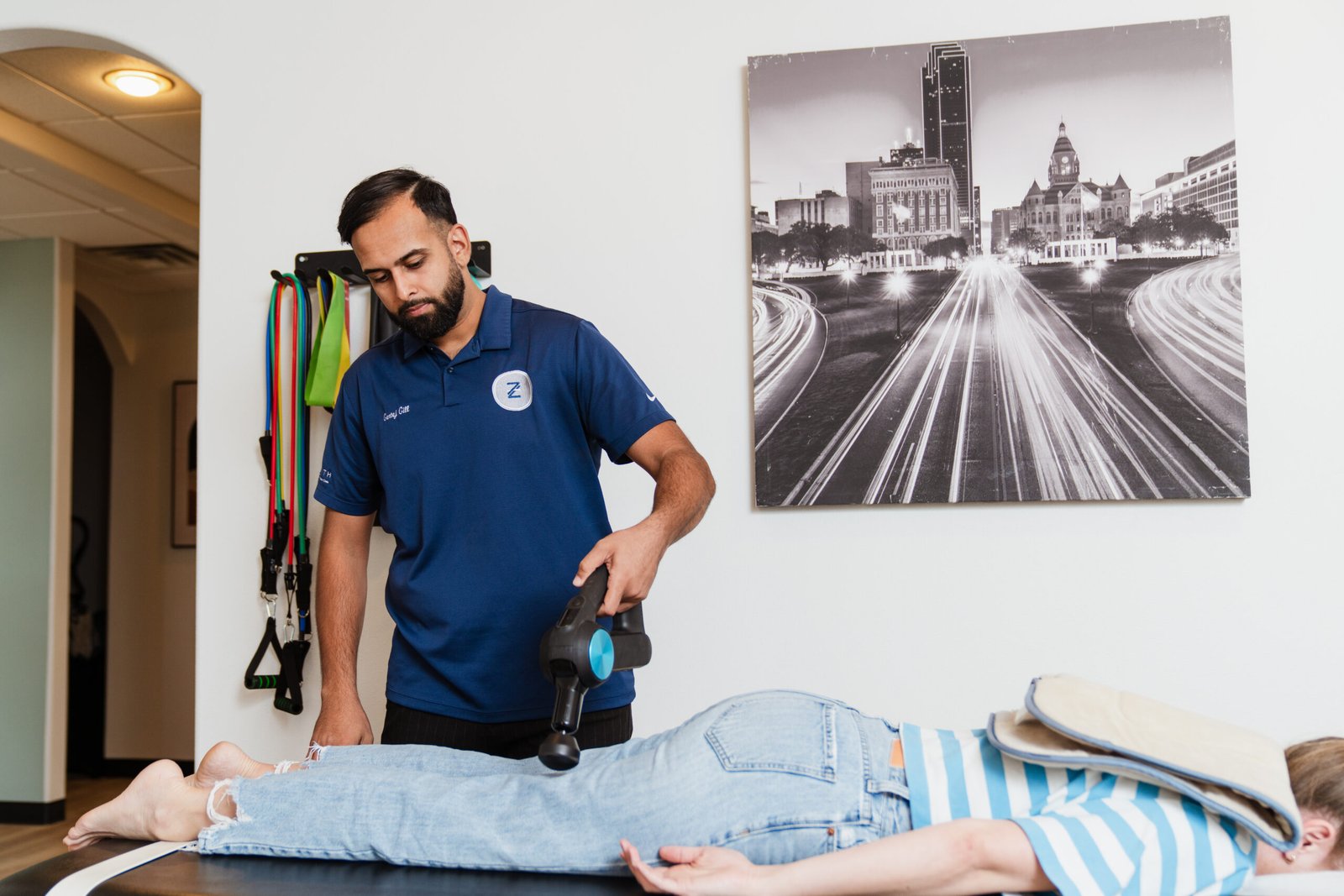
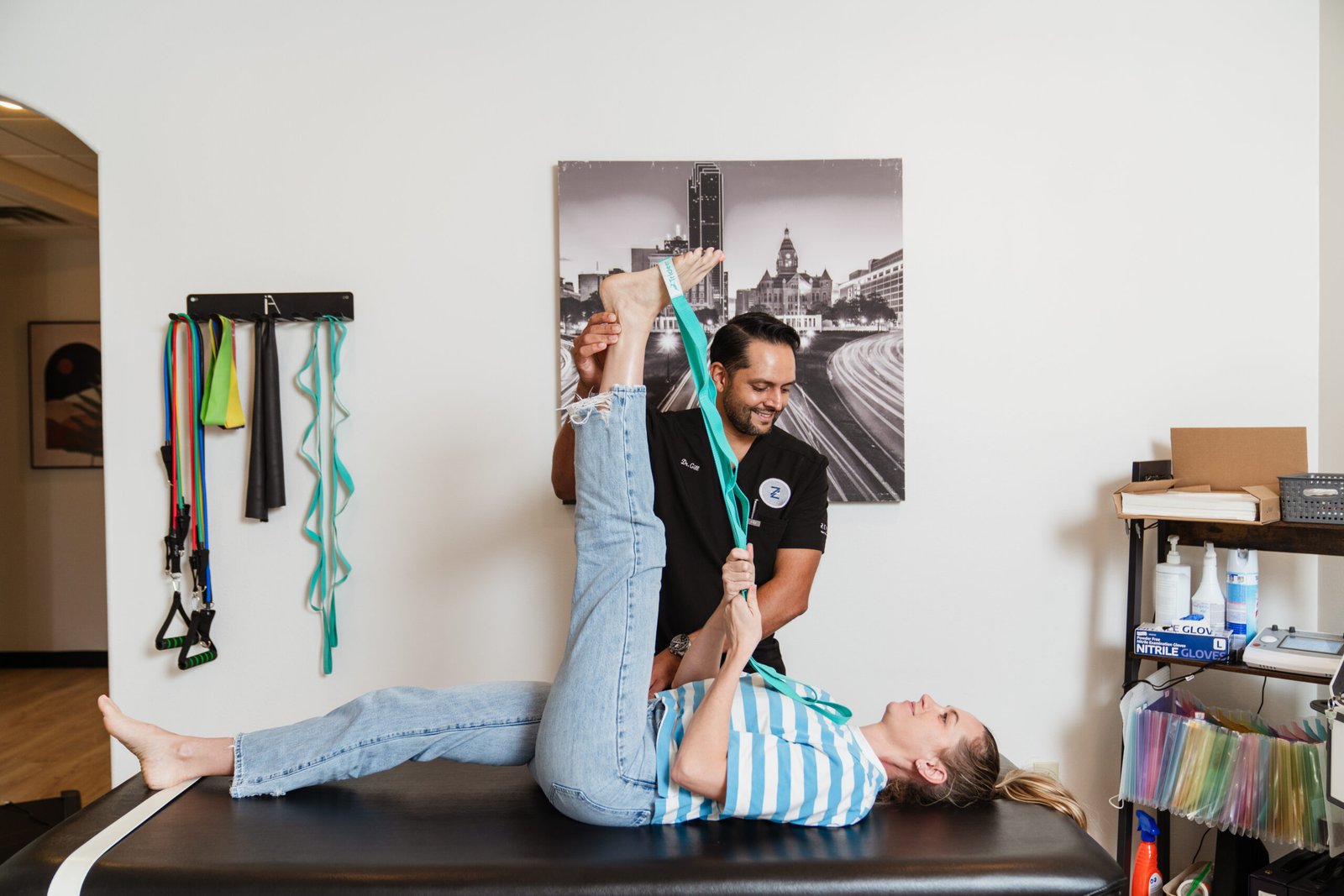
At ZENITH, ongoing wellness chiropractic care may include chiropractic adjustments, mobility-focused support, therapeutic stretching, soft tissue therapy, or functional movement guidance depending on what the patient needs. For some, adjustment-only visits are enough to stay on track. For others, especially those dealing with lingering stiffness or more complex movement patterns, stretching, rehab, or broader wellness support may be a better fit.
The visit should still have a purpose. Even when care is not focused on a new injury, the provider should be checking how the body is moving, where tension is building, and whether the plan still fits. Maintenance care is not about doing the same thing every time. It is about paying attention early enough to make smaller corrections before the body starts compensating again.
Finding the Right Level of Care
Maintenance care does not need to be complicated, but it should be intentional. The right schedule depends on the patient’s history, lifestyle, activity level, symptoms, and response to care. Some people do well with occasional adjustment-only visits. Others benefit from a more structured plan that includes mobility work, therapeutic stretching, or functional movement support.
ZENITH also offers adjustment-only packages and the ZENITH Club membership plan for patients who want more consistent access to ongoing care. Those options can make maintenance care simpler for patients who already know their body responds well to regular chiropractic support.
A consultation or re-examination is the best place to start. That gives the provider a chance to review your history, current movement, recurring patterns, and goals before recommending a plan. Maintenance care makes the most sense when it helps you move more comfortably, stay consistent, and manage stiffness before it becomes disruptive.
If you are considering ongoing chiropractic care, schedule a visit with ZENITH. A clear evaluation can help determine whether maintenance care, adjustment-only visits, therapeutic stretching, or another approach is the right fit for your long-term mobility and wellness.