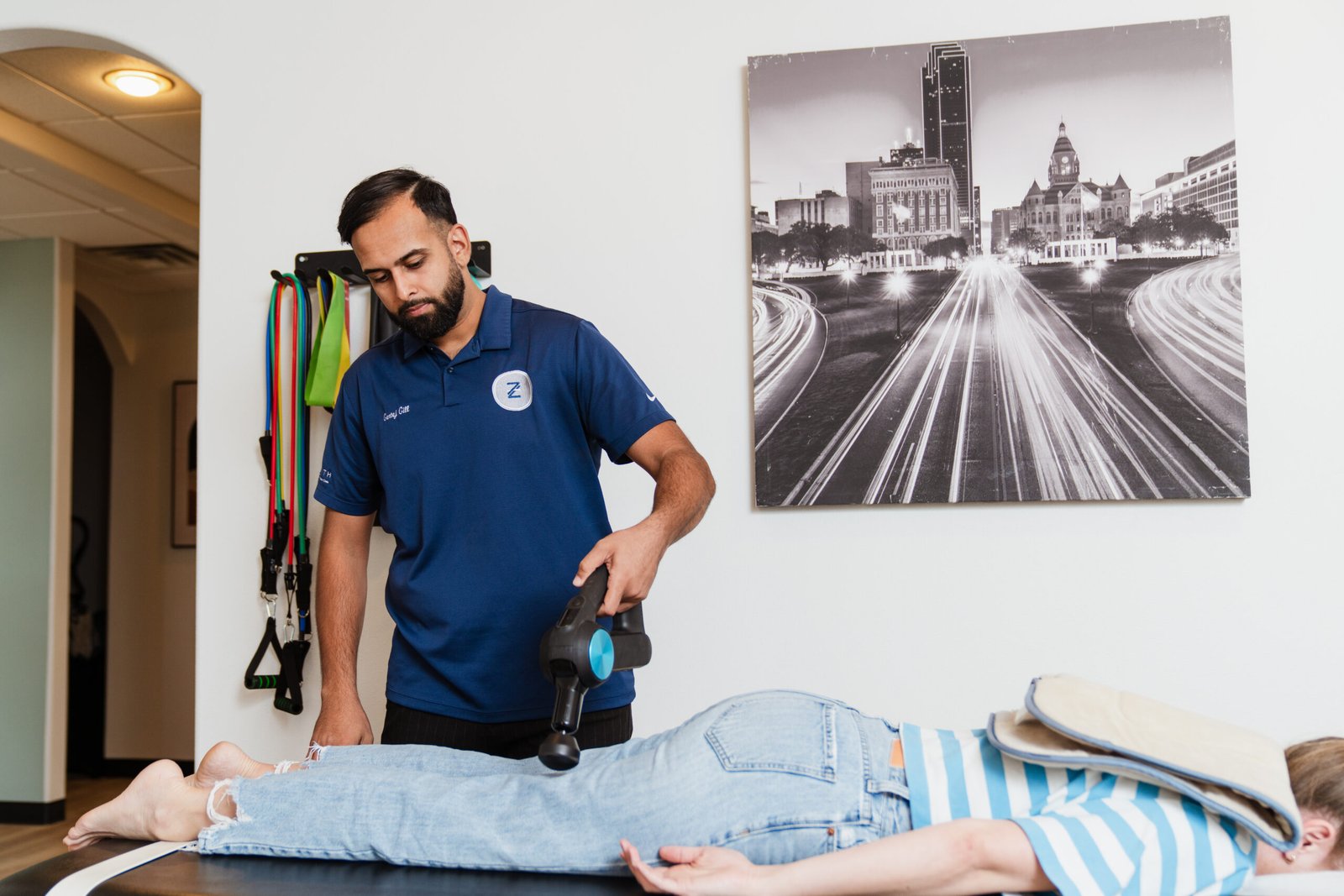

After a car accident, fall, or workplace injury, symptoms can continue developing over the following days. Stiffness may increase, headaches can appear, and everyday movements may begin to feel more restricted as inflammation and muscle tension settle in.
Chiropractic documentation creates a clear record of how the body was affected and how those findings change throughout recovery. It gives the chiropractor a reliable starting point for care while keeping treatment connected to measurable progress.
Creating a Baseline After the Accident
The first evaluation records what happened, when symptoms began, and how the injury is affecting movement and daily activity. The chiropractor may assess spinal and joint mobility, range of motion, strength, posture, and areas of tenderness. Digital X-rays may also be recommended when more information is needed.
These findings help show how force moved through the body. Neck pain after a collision, for example, may occur alongside limited rotation, upper back stiffness, or muscle guarding through the shoulders. A lower back injury may affect hip movement, balance, or the way weight is distributed while walking and bending.
Documenting these patterns early gives the care team something specific to compare against as treatment progresses.
Using Documentation to Guide Chiropractic Care
Visit notes and re-examinations help track changes in mobility, discomfort, strength, and daily function. This allows the chiropractor to see whether the body is responding as expected and whether the care plan should be adjusted.
Early care may focus on improving restricted joint movement and reducing protective muscle tension. As mobility returns, treatment can gradually shift toward stability, strength, and more comfortable movement during work, exercise, and everyday activities.
This structure keeps care responsive. Progress is based on changes the chiropractor can observe and measure rather than repeating the same approach from one visit to the next.
Maintaining a Clear Recovery Timeline
Accident recovery can involve imaging providers, physicians, rehabilitation professionals, or other members of the healthcare team. Clear chiropractic care records make it easier to communicate what was found, what care was provided, and how the patient responded.
Documentation may also support an insurance or legal claim, though its central purpose within chiropractic care is clinical. It creates an accurate timeline and helps each stage of treatment build on the one before it.
Patients contribute to that process by reporting new symptoms, changes in movement, and difficulties with daily activity. Consistent visits and open communication give the chiropractor a clearer picture of how recovery is progressing.
If an accident has left you with pain, stiffness, headaches, or changes in how your body moves, schedule an evaluation with ZENITH. Early assessment and consistent documentation can help create a more focused path toward restoring mobility and function.