
After an injury, muscles and connective tissues can remain tight or sensitive even after the initial soreness begins to settle.
That lingering tension may make the area feel stiff, tender, or difficult to use normally. In some cases, the tissue feels restricted during certain movements. In others, the problem shows up more as localized soreness, tightness, or a sense that the area never fully relaxed after the injury.
Soft tissue therapy works directly with muscles, fascia, and other connective tissues to improve tissue mobility and reduce areas of persistent restriction. At ZENITH Injury Relief & Wellness Clinic, it is used when those tissues appear to be slowing recovery, limiting comfortable movement, or making it harder to return to normal activity.
What Soft Tissue Therapy Is Working On
Muscles and fascia can become dense, tender, or less flexible after strain, repetitive use, or injury. The tissue may not glide or lengthen as comfortably as it did before, especially when an area has been irritated for several days or weeks.
That can make certain motions feel tighter than expected. A muscle may feel sore when pressure is applied, a particular stretch may feel limited, or the area may fatigue more quickly during activity because the tissue is not moving as freely.
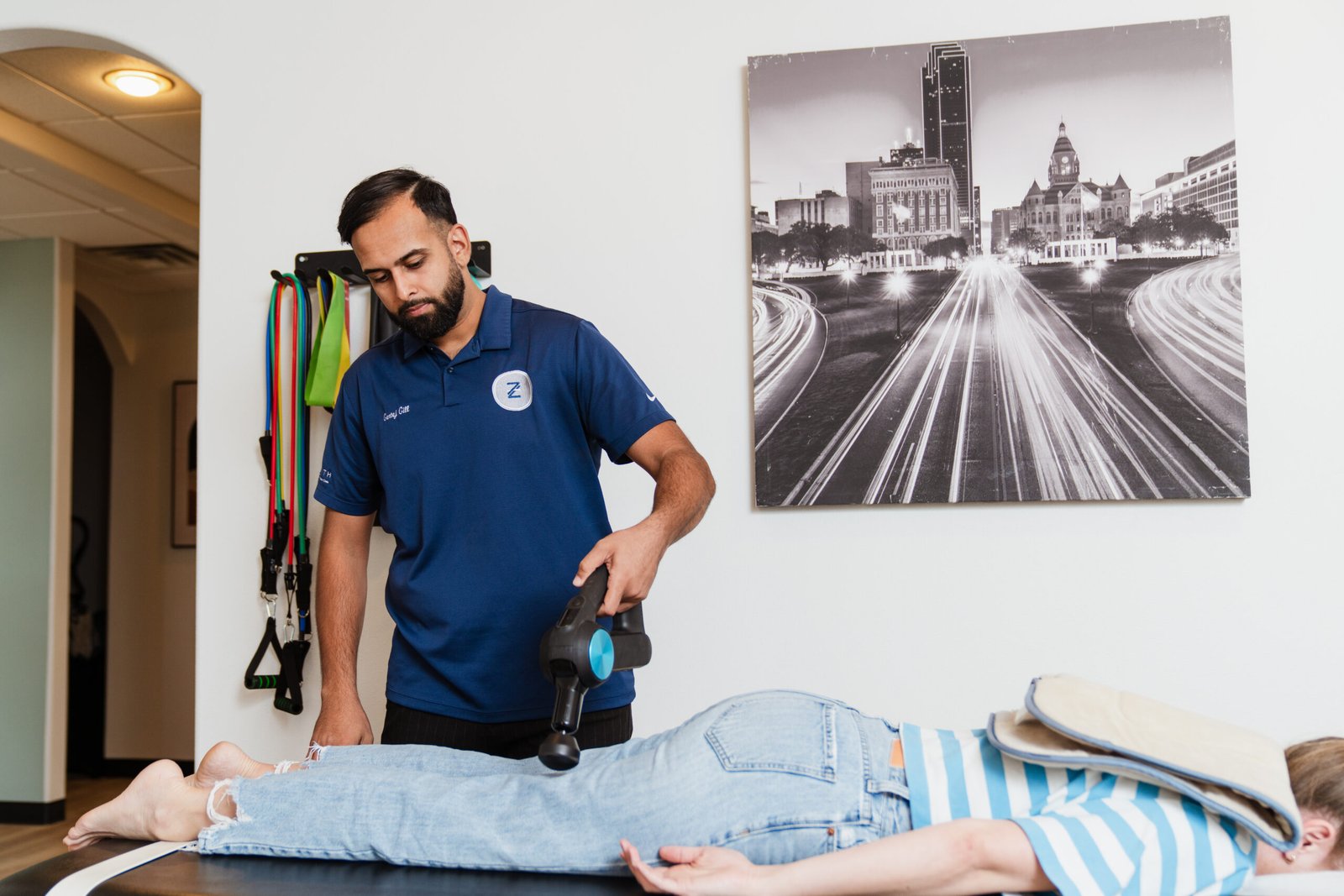
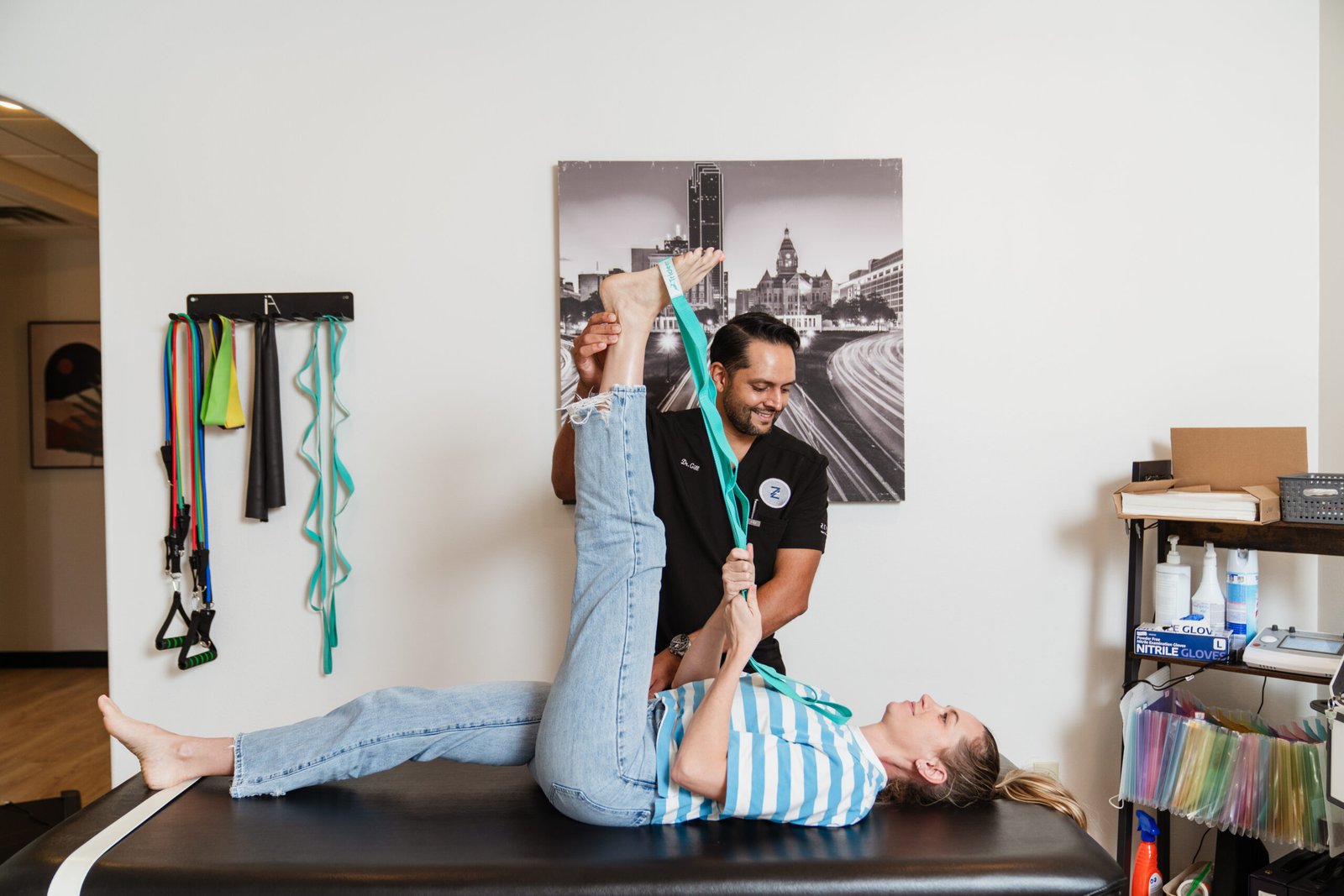
Soft tissue therapy uses hands-on pressure, stretching, and other manual techniques to address those areas directly. Treatment can be more focused around a specific tender region or applied more broadly when several tissues are involved.
Improving tissue mobility can make it easier for the area to tolerate movement, stretching, and gradual loading as recovery progresses. At ZENITH, soft tissue therapy is used when the tissue itself appears to need more direct attention.
Depending on the injury, that may involve reducing localized tightness, improving flexibility, or preparing the area for the next stage of rehabilitation. When persistent muscle knots or particularly sensitive areas are involved, trigger point therapy may also be considered.
How Soft Tissue Therapy Supports Recovery
Soft tissue therapy may be used on its own when the concern is relatively localized, or it may be incorporated into a broader care plan when the injury involves joint restriction, reduced strength, or more significant loss of function.
For example, hands-on treatment may first be used to make a tight or sensitive area easier to move. Chiropractic care may also be appropriate when joint motion is part of the problem. Once the area begins tolerating movement more comfortably, stretching or physical rehabilitation can be introduced to rebuild flexibility, strength, and control.
The role of soft tissue therapy can change throughout that process. Early treatment may focus on reducing sensitivity and improving how freely the tissue moves. Later visits may place more emphasis on preparing the area for greater physical demand, whether that means returning to exercise, completing a full workday, or resuming everyday activities without the same sense of restriction.
Tissue recovery is not measured only by whether soreness has decreased. The area also needs to tolerate normal movement and activity again without repeatedly becoming tight or irritated. Understanding the difference between muscle tightness and joint restriction can also help explain why different parts of an injury may require different approaches to care.
For patients wondering how injury-focused hands-on treatment differs from a general massage, ZENITH also explains the difference between medical massage and spa massage during injury recovery.
If stiffness, tenderness, or restricted tissue movement is lingering after an injury, schedule an evaluation with us. The team can assess what is limiting the area and determine whether soft tissue therapy has a useful role in helping you progress toward normal activity.