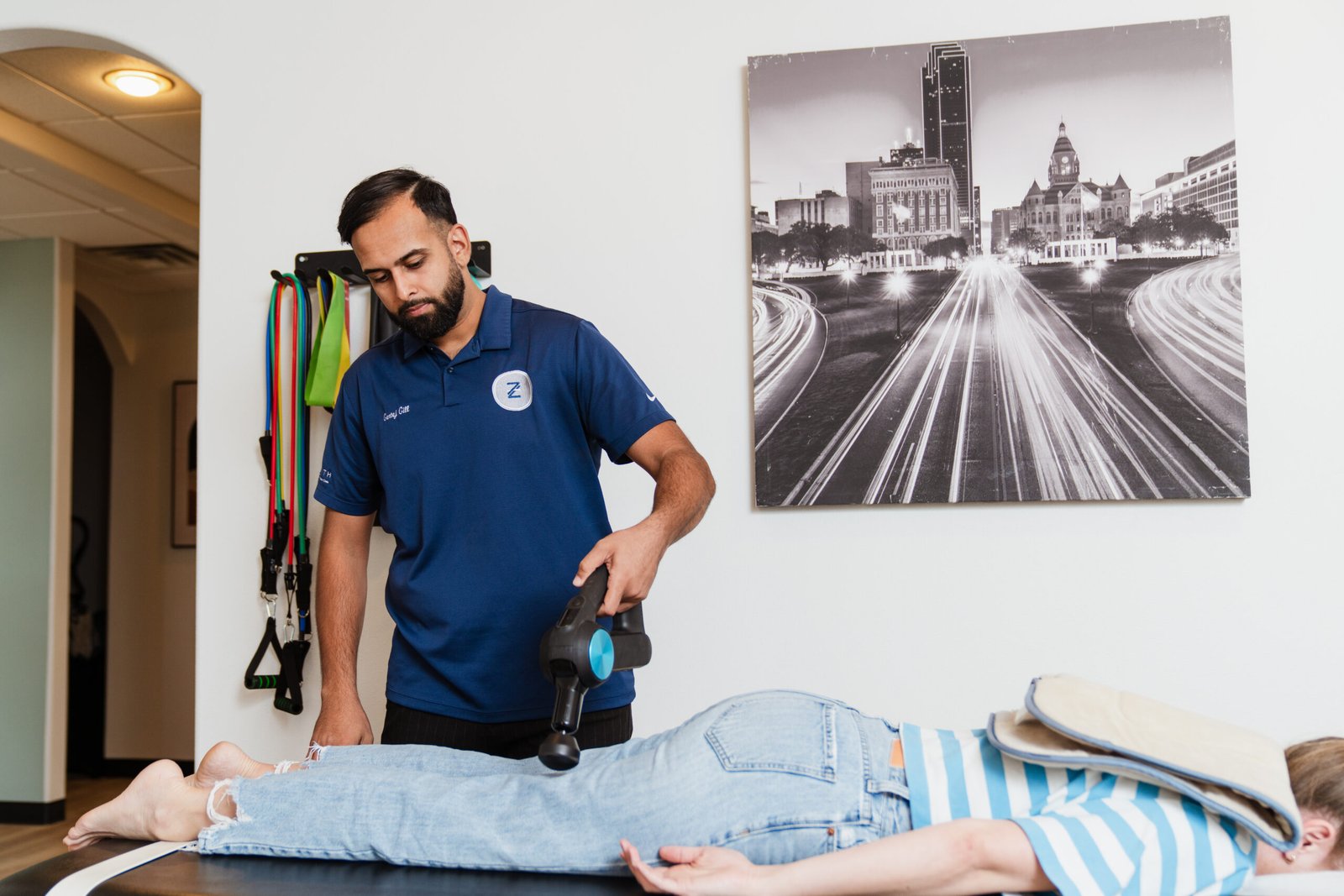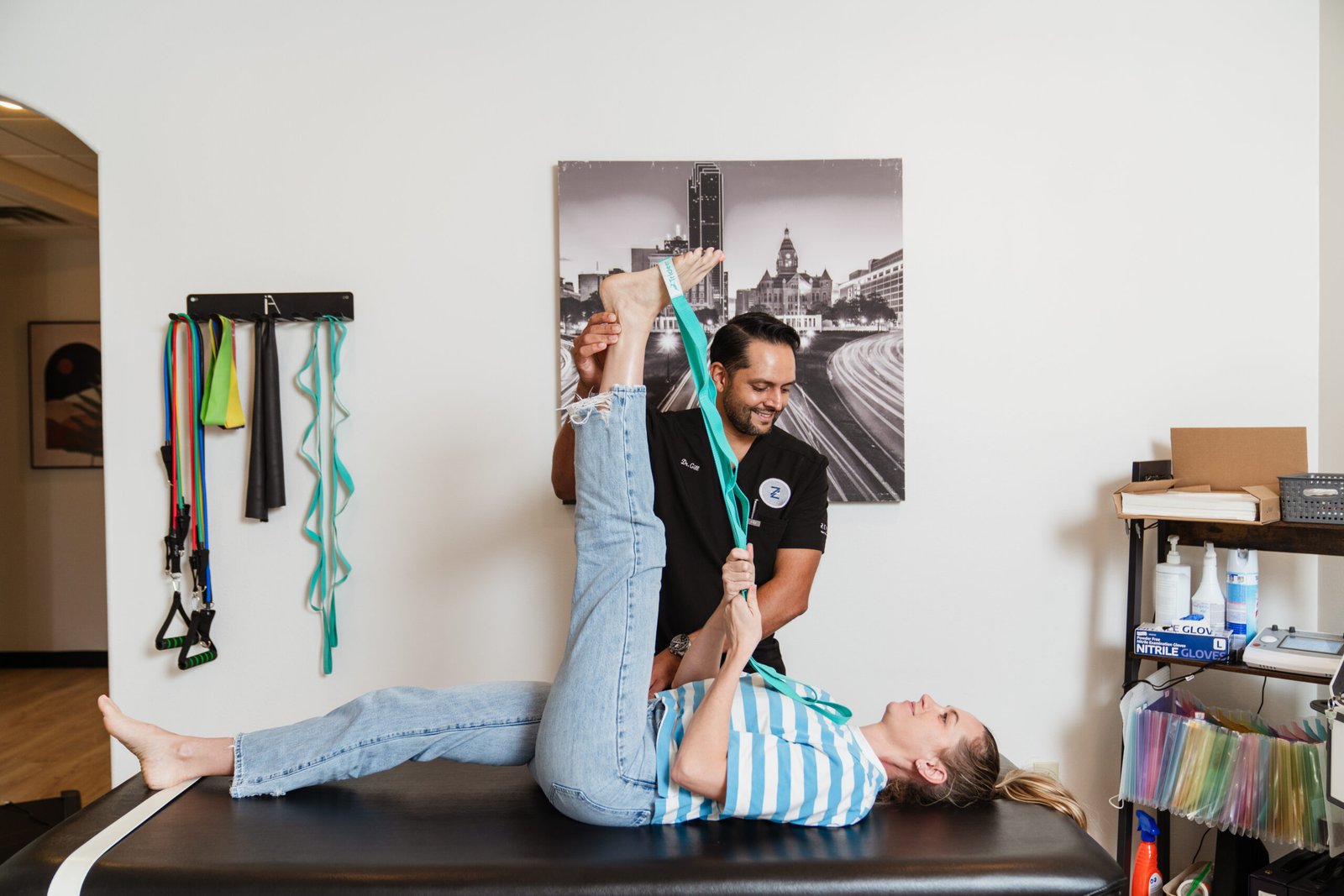

A chiropractic adjustment is often associated with the popping sound that can happen during treatment, but the sound is only a small part of what is happening.
The purpose of an adjustment is to improve motion in a joint that is stiff, restricted, or not moving comfortably. When one area of the spine is not moving well, nearby joints and muscles may begin compensating, which can affect how the body moves as a whole.
At ZENITH Injury Relief & Wellness Clinic, chiropractic care begins with an evaluation so treatment can be based on symptoms, movement, health history, and clinical findings rather than using the same adjustment for every patient.
What Actually Happens During an Adjustment?
During a chiropractic adjustment, the provider applies a controlled force to a specific joint, most often in the spine. The goal is to improve movement in an area that is not moving through its expected or comfortable range. Depending on the patient, improved joint motion may help reduce stiffness, ease muscle guarding, and make everyday movement more comfortable.
Technique and force can vary significantly. Someone recovering from an accident may need a different approach than a healthy adult with general stiffness. Age, injury history, comfort level, and the findings from the examination all influence how care is delivered.
Sometimes an adjustment produces the familiar popping sound, called cavitation. Joints contain fluid and dissolved gases inside a capsule, and when the joint moves and pressure changes quickly, that shift can create an audible pop similar to cracking your knuckles.
The sound does not mean bones are grinding together or being forced back into position. An adjustment can also be effective without making any sound at all, particularly when gentler techniques are used.
At ZENITH, the focus is on how the joint moves and how that movement affects the surrounding system. The adjustment is selected based on what the evaluation shows, not on whether treatment produces a particular sound or sensation.
What Happens Before the First Adjustment?
A first chiropractic visit should begin with understanding why the area is not moving well.
That may include reviewing symptoms, previous injuries, health history, range of motion, posture, areas of tenderness, and neurological or orthopedic findings. Digital X-rays may also be used when imaging is clinically appropriate.
This step matters because stiffness or pain can have different causes. An adjustment may be useful for one patient, while another may need a different technique, additional evaluation, or a different type of care altogether.
Once the examination is complete, the provider can explain what was found and whether chiropractic treatment is appropriate.
Patients who are new to care may also find it helpful to review what patients should know about the safety of chiropractic adjustments before beginning treatment.
What Should You Expect After an Adjustment?
People respond differently. Some notice that turning, bending, or moving feels easier shortly afterward. Others may experience temporary soreness, similar to what can happen after using a muscle or joint differently than usual.
The bigger picture matters more than the response to a single adjustment. If restricted movement has been present for some time, the body may already be compensating through changes in muscle tension, strength, mobility, or movement habits.
In those cases, adjustments may be combined with physical rehabilitation, stretching, soft tissue and trigger point therapy, or other services to address more than the restricted joint itself.
That is why progress is often measured by changes in movement and function over time, not simply by how the area feels immediately after treatment.
For some patients, repeated care may also be appropriate. You can learn more about why more than one chiropractic adjustment may sometimes be needed.
Are Chiropractic Adjustments Appropriate for Everyone?
No single treatment is appropriate for every patient.
Certain injuries, medical conditions, neurological findings, or other clinical concerns may affect whether an adjustment should be performed or which technique is safest. Proper screening helps the provider identify those situations before treatment begins.
If you are new to chiropractic care and want to understand what may be contributing to stiffness, pain, or restricted movement, schedule an evaluation with ZENITH. The visit can help identify how the affected area is moving and what type of care, if any, makes sense from there.