

How Spinal Misalignment Affects the Body
Your spine plays a vital role in protecting the nervous system and supporting nearly every movement your body makes. When the spine becomes misaligned, even slightly, it can interfere with nerve communication, muscle balance, and overall health. Understanding how spinal misalignment affects the body can help you identify symptoms early and seek the right care.
What Is Spinal Misalignment?
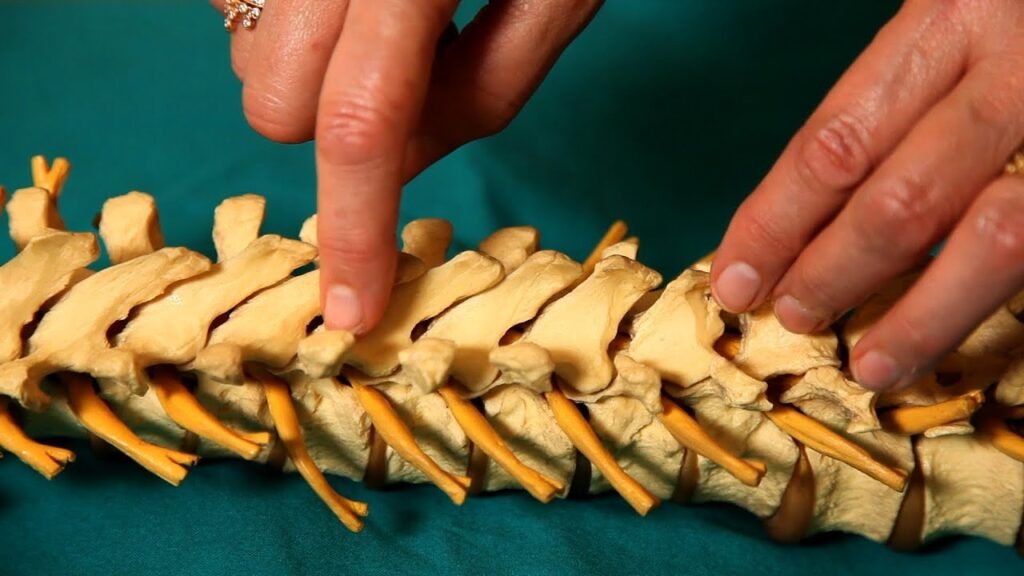
Spinal misalignment, often referred to as a subluxation, occurs when one or more vertebrae move out of their normal position or lose proper motion. The spine is designed to maintain specific curves and spacing that protect the spinal cord and allow nerves to communicate freely with the rest of the body. When alignment is disrupted, even slightly, it can create a chain reaction of dysfunction throughout the musculoskeletal and nervous systems.
Spinal misalignment commonly develops due to:
Poor posture (especially prolonged sitting or screen use)
Repetitive movements or physical overuse
Auto accidents, slips, or falls
Sports injuries or sudden trauma
Improper lifting techniques
Degenerative changes related to aging
Over time, these stressors cause uneven pressure on spinal joints, discs, and surrounding muscles. As the body tries to compensate, certain muscles become tight while others weaken, further pulling the spine out of balance.

How Spinal Misalignment Impacts Your Health
- Nervous System Disruption
Your spine houses the spinal cord, which sends signals from your brain to the rest of your body. Misalignment can compress or irritate nerves, leading to pain, tingling, numbness, headaches, or even digestive and organ-related issues.
- Poor Posture & Reduced Mobility
Spinal misalignment affects posture by pulling the body out of balance. Slouching, uneven shoulders, or a tilted pelvis can develop, making everyday movements feel stiff or restricted.
- Chronic Pain & Muscle Imbalance
When the spine is out of alignment, muscles are forced to compensate. This often results in neck pain, back pain, shoulder tightness, hip discomfort, and limited mobility. Left untreated, these imbalances can become chronic.
- Fatigue & Decreased Performance
Because your body is working harder to compensate for misalignment, energy levels drop. Many people experience ongoing fatigue, reduced athletic performance, and slower recovery from daily activities.
Common Symptoms of Spinal Misalignment
- Persistent neck or lower back pain
- Headaches or migraines
- Tingling or numbness in arms or legs
- Muscle stiffness or spasms
- Poor posture or uneven shoulders/hips
- Reduced range of motion

How Chiropractic Care Helps
Chiropractic care focuses on restoring proper spinal alignment to relieve nerve pressure and improve function. Through precise spinal adjustments, soft tissue therapy, and corrective exercises, chiropractic treatment helps the body heal naturally, without surgery or medication.
Benefits include:
Pain relief
Improved mobility
Better posture
Enhanced nervous system function
Increased energy and overall wellness
If you’re experiencing ongoing pain, stiffness, or unexplained symptoms, spinal misalignment may be the root cause. Early evaluation can help identify the issue and prevent long-term complications. If you need guidance or professional support, the team at ZENITH Injury Relief & Wellness is available to help assess your condition and discuss appropriate care options.