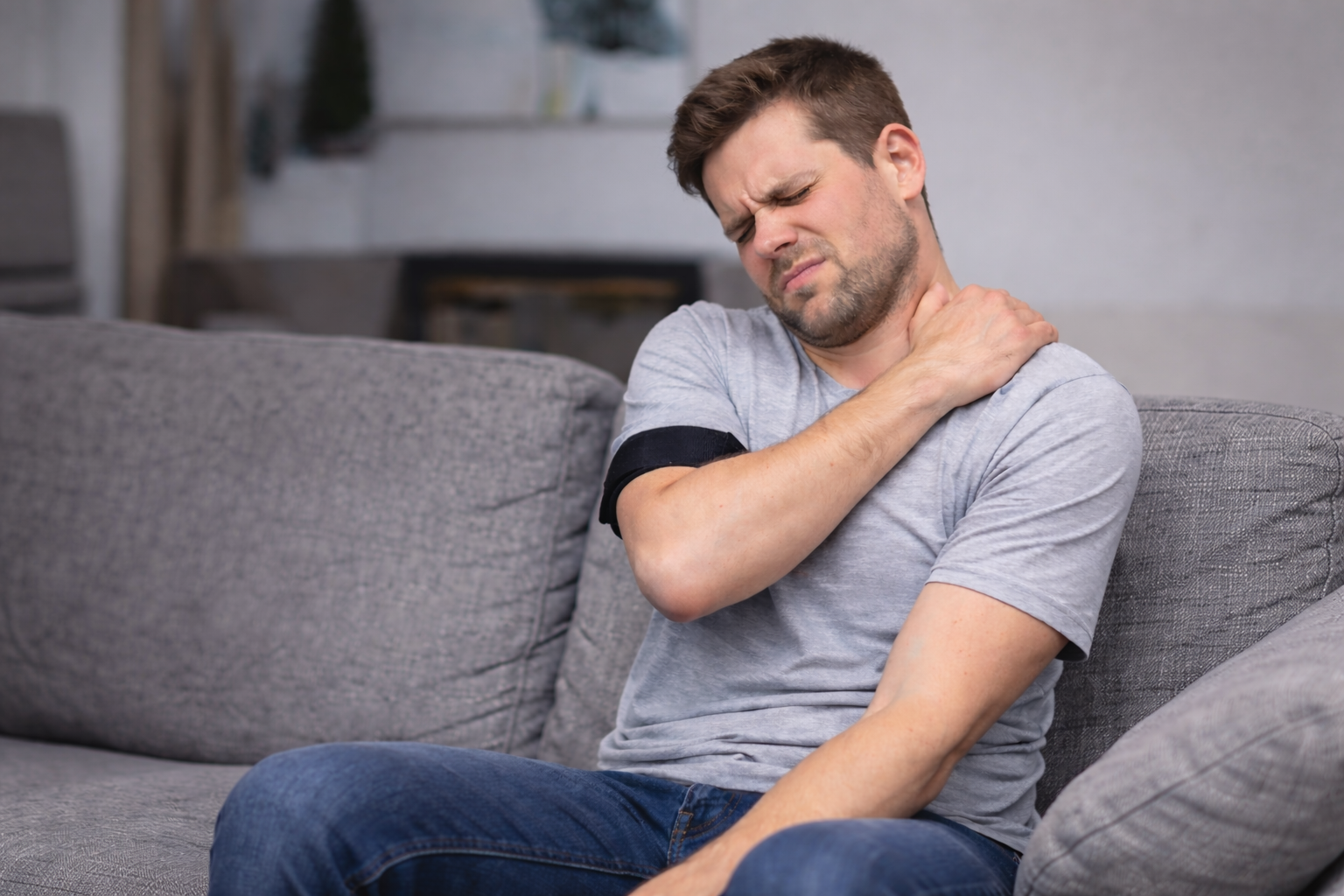

After an injury, pain is usually what people expect. What often catches them off guard is the stiffness. Movements that normally feel automatic suddenly feel limited. Getting up, turning, reaching, or bending can take more effort than expected. The body feels tight, resistant, or unusually guarded, almost like it is bracing against motion.
That locked-up feeling is not random. It is one of the body’s most common protective responses after injury.
When tissue is irritated or stressed, the nervous system responds by increasing tension around the area. Muscles tighten to reduce motion, joints may stop moving as freely, and inflammation can create additional pressure within the surrounding structures. The goal is protection, but the result is often a body that feels restricted well beyond the original area of injury.
This is why stiffness after an injury can involve more than just the injured tissue itself. A lower back injury may begin affecting how the hips move. An ankle injury may change the way the knee, hip, and spine absorb load during walking. Because the body functions as a connected system, restriction in one region often creates compensation elsewhere.
Stiffness and pain are only part of that picture. Many people also notice reduced range of motion, muscular guarding, heavier fatigue, and a sense that normal movement no longer feels natural.
Why Stiffness Often Lasts Longer Than Expected
Rest has a role early on, especially when the body is trying to settle inflammation and protect injured tissue. But when rest turns into prolonged inactivity, stiffness often becomes harder to unwind.
The body adapts to what it repeats. If movement becomes smaller, more guarded, or more avoidant, the body begins organizing around that pattern. Joints may lose mobility, muscles may stay tense longer than necessary, and surrounding areas may start compensating to keep everyday tasks possible.
This is one reason stiffness can remain even after the sharpest pain has started to improve. The body is no longer just recovering from the injury itself. It is also adapting to the protective pattern that formed around it.
Over time, that can make recovery feel slower and less predictable. The issue is no longer only inflammation or soreness. It is the loss of efficient movement.
How Structured Movement Helps the Body Unlock Again
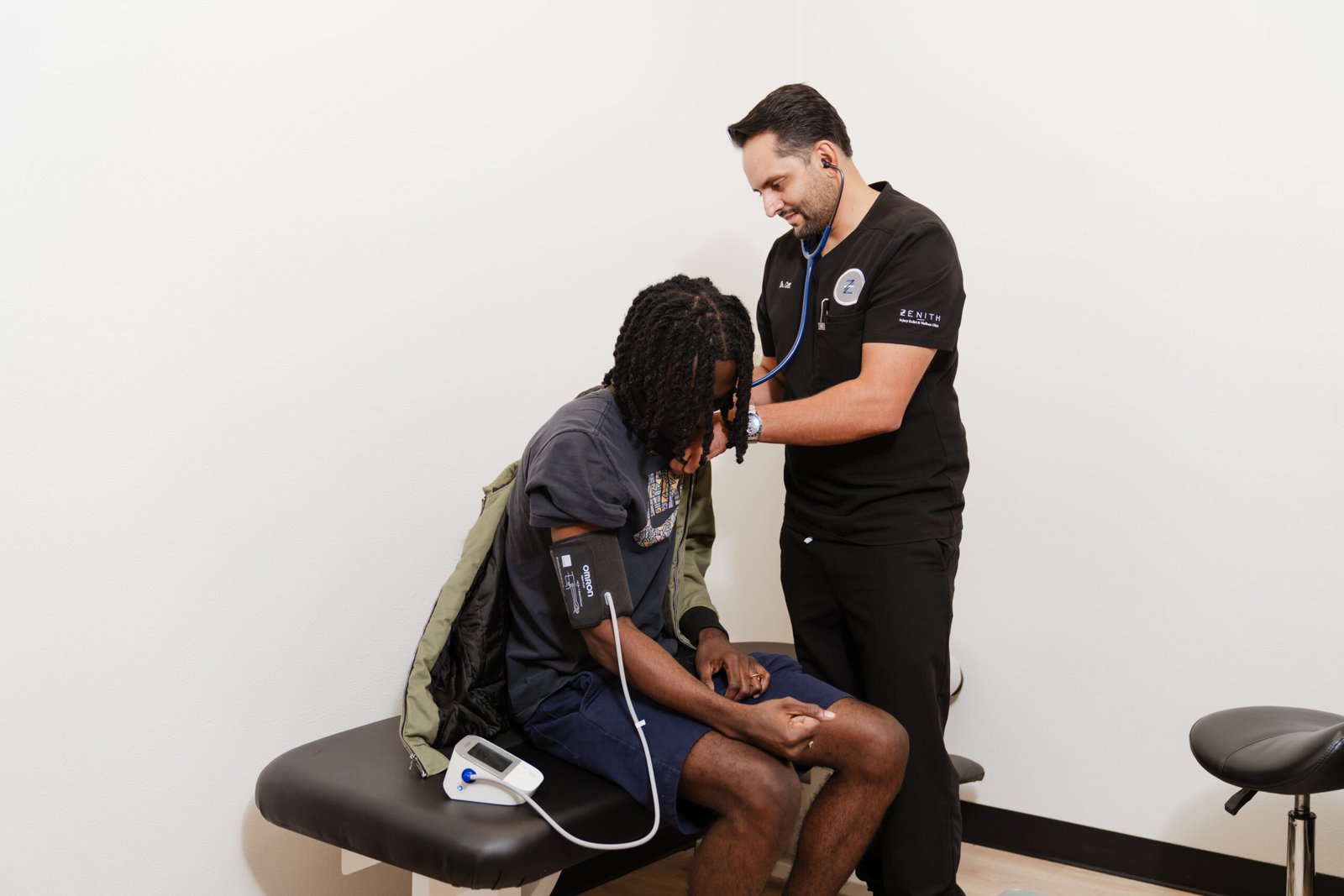
At ZENITH, the goal is not just to reduce discomfort. The goal is to restore the way the body moves through structured chiropractic care.
That matters because stiffness after an injury usually improves best when movement is reintroduced in a structured, intentional way. Not forced. Not ignored. Guided.
Care may include mobility work to help joints move more normally, soft tissue support to reduce unnecessary muscular tension, and controlled exercises that retrain movement patterns the body has started to compensate around. As the body becomes more stable and less guarded, progressive loading helps rebuild strength and confidence so movement feels natural again rather than cautious.
This process works best when the body is treated as a system. If one area is restricted, the surrounding regions often need attention too. Restoring motion in the right places can reduce the need for the body to keep bracing everywhere else.
That is often where recovery starts to feel different. Movement becomes less effortful. Tension begins to settle. The body no longer has to protect itself as aggressively.
What to Keep in Mind Early On
If you are dealing with stiffness after an injury, it helps to avoid the two extremes: complete inactivity on one side and forcing motion on the other.
In most cases, the body responds better to consistent, controlled movement within a tolerable range. Small amounts of repeatable motion often do more than occasional bursts of aggressive stretching or prolonged rest. When stiffness begins spreading, movement feels increasingly unnatural, or progress has stalled, that is usually a sign the body needs a more structured plan.
Recovery tends to go more smoothly when the focus stays on restoring normal movement patterns, not just waiting for symptoms to fade.
When the Body Feels Locked Up, It Usually Needs Guidance, Not Just Time
Stiffness after an injury is not just something to wait out. It is often a sign that the body is protecting, compensating, and adapting in ways that can linger if they are not addressed.
At ZENITH Injury Relief & Wellness Clinic, care is built around understanding how your body is moving, where restriction is developing, and what needs to be restored so recovery can progress more efficiently. The goal is not simply to help you feel better for the moment. It is to help your body move better going forward.
If your body feels stiff, restricted, or locked up after an injury, schedule an evaluation with ZENITH today. Our team will assess how you are moving and create a care plan focused on restoring mobility, reducing compensation, and supporting long-term function step by step.