


What Happens to Your Body After a Chiropractic Adjustment?
Learn what happens to your body after a chiropractic adjustment, including benefits, normal side effects, and what to expect after your visit.
What Happens to Your Body After a Chiropractic Adjustment?
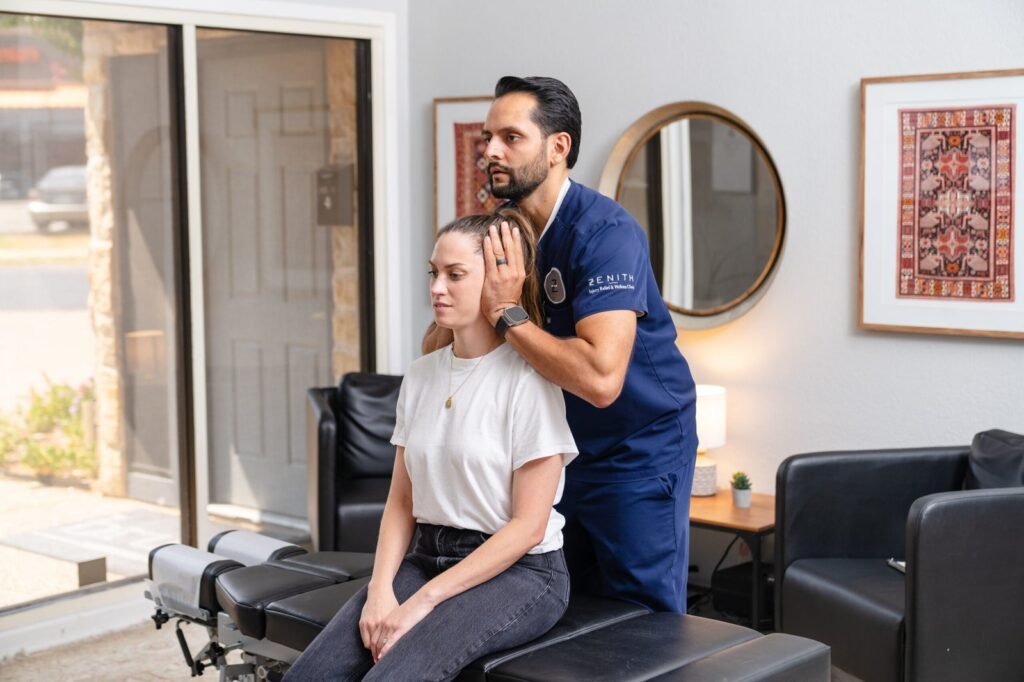
A chiropractic adjustment does more than just “crack” your joints, it triggers a series of physical and neurological responses that help your body move, heal, and function better. Understanding what happens after an adjustment can help you feel more confident and prepared for your care.
Immediate Effects After a Chiropractic Adjustment
Right after an adjustment, many patients notice:
Improved joint mobility as restricted joints regain motion
Reduced muscle tension from relaxed surrounding tissues
A sense of lightness or relief, especially in the spine and neck
Increased range of motion in previously stiff areas
This happens because the adjustment restores proper alignment, allowing joints and muscles to work together more efficiently.


How Your Nervous System Responds
Your spine plays a major role in nervous system communication. After a chiropractic adjustment:
Nerve signals travel more efficiently
Pressure on irritated nerves may decrease
Your body’s natural healing response is activated
This improved communication can influence posture, coordination, and even how your body manages stress.
Is Soreness Normal After an Adjustment?
Yes, mild soreness or stiffness can occur, especially if it’s your first visit or if tight areas were addressed. This is similar to how muscles feel after exercise and typically lasts 24 to 48 hours.
Common post-adjustment sensations include:
Temporary muscle soreness
Mild fatigue
Increased thirst
Staying hydrated and doing light movement can help your body adapt faster.
Short-Term vs. Long-Term Changes
Short-term benefits may include pain relief, improved flexibility, and better posture.
Long-term chiropractic care helps:
Improve spinal stability
Support proper joint mechanics
Reduce recurring discomfort
Enhance overall mobility and function
Consistent adjustments allow your body to “relearn” healthier movement patterns.
What Should You Do After a Chiropractic Adjustment?
To maximize results:
Drink plenty of water
Avoid strenuous activity for the rest of the day
Follow any stretching or movement guidance given
Pay attention to how your body feels over the next 48 hours
These steps help reinforce the benefits of your adjustment.

When Should You Contact Your Chiropractor?
While most reactions are normal, reach out if you experience:
Severe or worsening pain
Persistent symptoms beyond 48 hours
Unusual neurological symptoms
Your chiropractor can adjust your care plan if needed.

Conclusion
After a chiropractic adjustment, your body begins restoring balance, physically and neurologically. From improved movement to better nerve function, these changes support long-term wellness, not just short-term relief.
If you’re exploring chiropractic care, knowing what happens after an adjustment helps set clear expectations and builds trust in the process.
Take the Next Step Toward Better Movement and Relief
If you’re curious how chiropractic care can support your recovery, mobility, or overall wellness, a professional evaluation can help determine what your body needs next.
At ZENITH Injury Relief & Wellness, our chiropractors take a personalized, evidence-based approach to care, focused on helping you move better, feel better, and recover safely.
If you’re in Arlington, Allen, Frisco, or Hurst, our clinic is here to help you understand your symptoms and create a care plan tailored to your needs.