
Muscle pain can sometimes come from a small area of tissue that stays tight long after the original strain or irritation.
These sensitive areas are often called trigger points. They can feel like a knot or tender spot within the muscle and may limit how comfortably the surrounding area moves.
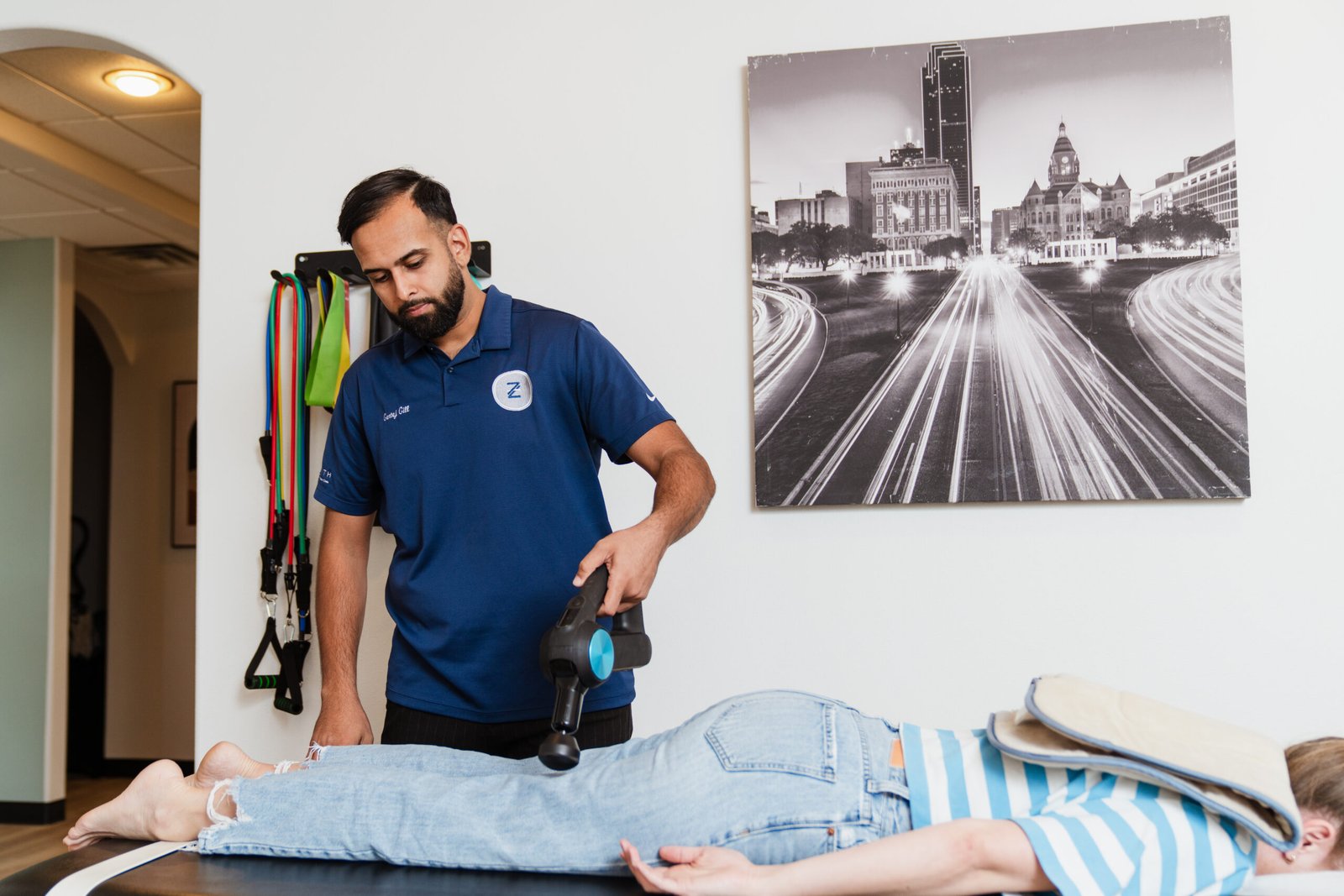
Trigger point therapy uses focused, hands-on pressure to reduce that tension and improve mobility. At ZENITH Injury Relief & Wellness Clinic, it may be used when muscular restriction is contributing to pain, stiffness, or difficulty moving normally.
How Trigger Points Affect Movement
Trigger points can develop after an injury, repetitive activity, prolonged tension, or physical strain.
When part of a muscle stays tight, the surrounding tissue may begin working differently to avoid the sensitive area. That can reduce range of motion, make certain movements uncomfortable, and place additional demand on nearby muscles.
For example, tension through the upper back or shoulders can make turning the neck feel restricted, while tightness through the hips or lower back may affect bending, walking, or prolonged sitting.
Trigger point therapy focuses directly on those areas of muscular tension. Pressure and hands-on techniques are applied to help the tissue relax and move more freely.
It may be useful when muscle tension is persistent, tender to pressure, or clearly affecting movement. It can also be considered after an injury when muscles remain guarded around an area that was strained or restricted.
At ZENITH, that tension is considered in the context of how the surrounding joints and muscles are working together. A tight muscle may be part of the problem, but it may also be responding to restricted joint motion, compensation, or the way the body has adapted after injury. That broader context helps determine whether targeted soft tissue work makes sense and which areas actually need attention.
Patients dealing with persistent tightness may also benefit from understanding the difference between muscle tightness and joint restriction when determining what may be contributing to their symptoms.
How Trigger Point Therapy Can Fit Into Recovery
For some patients, targeted soft tissue work may be enough to reduce a specific area of tension. Others may need additional care when joint restriction, weakness, or broader movement changes are involved.
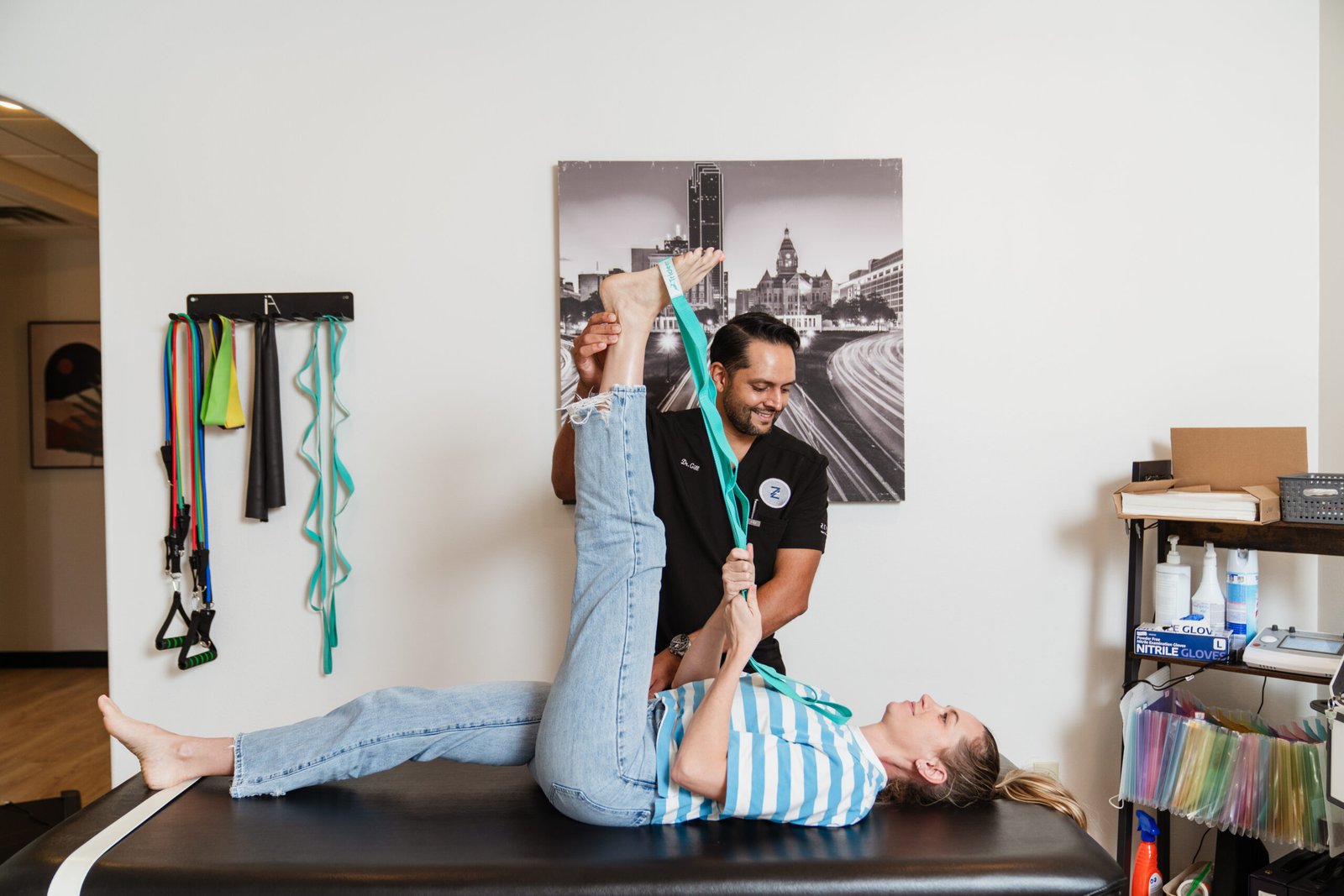
ZENITH may combine trigger point therapy with chiropractic adjustments, therapeutic stretching, physical rehabilitation, or other soft tissue techniques when those services support the same recovery plan. The mix of care can change as muscle tension decreases and movement becomes easier.
If a muscle knot, tight area, or lingering soreness is making it harder to move comfortably, schedule an evaluation with our team. The team can determine whether trigger point therapy may help address the restriction or whether another part of the movement system also needs attention.