
Pain after an injury can be easy to downplay at first. A stiff neck, sore back, tight shoulder, or nagging headache may feel manageable for a few days, so many people wait to see if it improves on its own.
The problem is that the body often starts adapting around pain before you realize it. Movement changes, muscles guard, joints stiffen, and posture shifts. Sleep, work, exercise, and daily routines can all start to feel different.
At ZENITH Injury Relief & Wellness Clinic, care focuses on understanding what is driving the pain, improving movement, and helping the body recover before short-term symptoms become long-term limitations.
Why Pain Can Become Chronic
Pain becomes chronic when it continues beyond the expected healing window or keeps returning after normal activity. This can happen after a major injury, but it can also develop from something that seemed minor at first.
A back strain, whiplash injury, or repetitive stress pattern can change how the body moves. When one area is painful, the body often protects it automatically. A person with low back pain may shift weight while walking or sitting. Someone with neck pain may turn less and tighten through the shoulders.
Those adjustments may help you get through the day, but over time they can create stress in other areas. What began as one painful spot can become a broader movement pattern that affects how the whole body functions.
The longer the body works around pain, the more familiar that compensation becomes.
How Early Treatment Supports Better Recovery
Early treatment gives the body a better chance to recover before compensation becomes the default pattern.
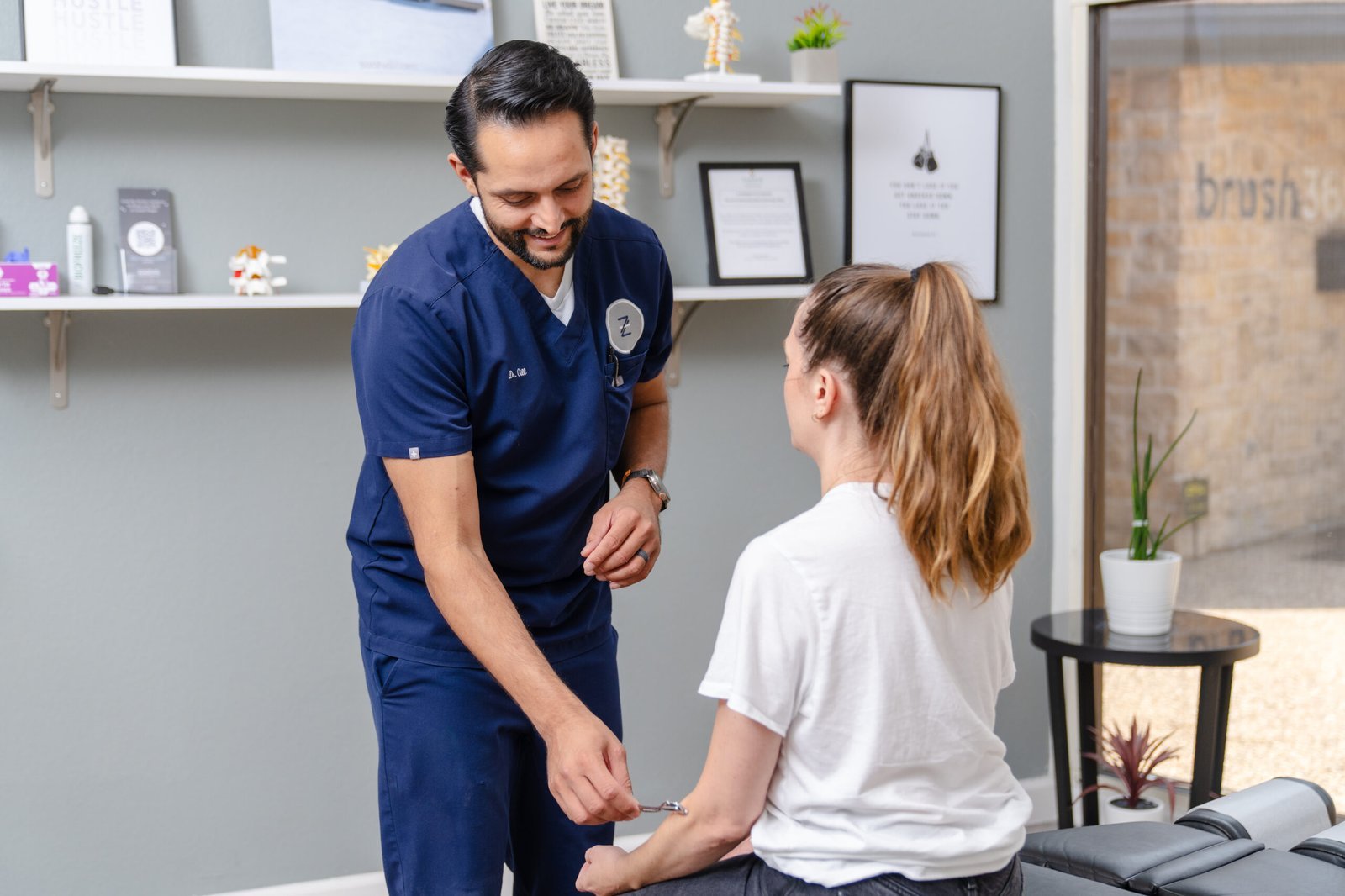
A chiropractic evaluation can help identify joint restrictions, muscle guarding, alignment concerns, and movement changes that may be contributing to pain. From there, care can be built around what the body is actually doing, not just where symptoms are felt.
Chiropractic adjustments may help improve spinal and joint mobility so the body can move with less restriction. Physical rehabilitation therapy can support strength, stability, and control, especially when pain has changed how someone bends, sits, walks, lifts, or returns to work.
Addressing these patterns earlier can help reduce unnecessary compensation, improve range of motion, and lower the risk of recurring flare-ups.
Why Consistency Matters After the First Visit
One visit can provide useful information and may bring relief, but longer-term recovery usually depends on consistency.
Symptoms often fluctuate while the body heals. A person may feel better for a few days, then notice pain returning after sitting too long, lifting something, driving, sleeping awkwardly, or going back to normal activity too quickly.
Consistent care makes it easier to track those changes and adjust treatment as the body improves. As mobility and strength return, the care plan can shift with the patient instead of staying fixed.
Stopping care as soon as pain decreases can leave the underlying movement problem unresolved. That is one reason flare-ups often return after the first signs of relief.
When to Seek Care Before Pain Gets Worse
Pain should be evaluated when it limits movement, changes posture, affects sleep, causes numbness or tingling, or continues longer than expected. It is also worth seeking care after an accident, even when symptoms seem mild at first.
Some injuries become more noticeable over time, especially after a car accident, fall, work injury, sports injury, or sudden strain.
ZENITH provides injury-focused chiropractic care with evaluation, chiropractic adjustments, rehabilitation support, and recovery planning based on how your body is moving. Schedule an appointment with us today to understand what is causing your pain and take steps toward better long-term recovery.