
Rest has a role after an injury. In the early stage, when pain is sharp, swelling is present, or movement feels unsafe, reducing activity can help calm the system down. But rest is not the same as recovery.
An injury does more than create pain. It changes how the body moves. Muscles tighten to protect the area. Joints stop moving through their normal range. Strength drops. Balance, coordination, and posture can shift without the person realizing it. Over time, the body may start working around the injury instead of through it.
That is where recovery can stall.
At ZENITH Injury Relief & Wellness Clinic, care is built around restoring function, not simply waiting for symptoms to fade. Through chiropractic adjustments, physical rehabilitation therapy, stretch therapy, functional movement assessments, soft tissue support, spinal decompression when appropriate, and clear injury documentation, the goal is to help the body move better so it can heal with direction.
Rest May Calm Pain, But It Does Not Rebuild Function
After a car accident, sports injury, work injury, or slip and fall, the body often protects itself automatically. A person with low back pain may shift weight to one side. Someone with neck pain may stop turning their head fully. A patient with a soft tissue injury may avoid certain motions because they feel tight, weak, or uncomfortable.
Those adjustments make sense at first. The problem is that protective patterns can become the new default. When movement is avoided for too long, joints become stiffer, muscles lose strength, and other areas begin compensating. Pain may settle temporarily, but the limitation can still be there. That is why someone may feel better after resting for a few days or weeks, only to have symptoms return when they go back to work, exercise, driving, lifting, or normal daily activity.
Movement Gives Recovery a Clear Path Forward
Movement during recovery does not mean forcing activity or pushing through pain. It means introducing the right movement at the right time, based on what the body can safely tolerate.
Guided movement helps restore circulation, joint mobility, strength, balance, and coordination. The goal is not simply to move more. The goal is to move with better control, better alignment, and less compensation.
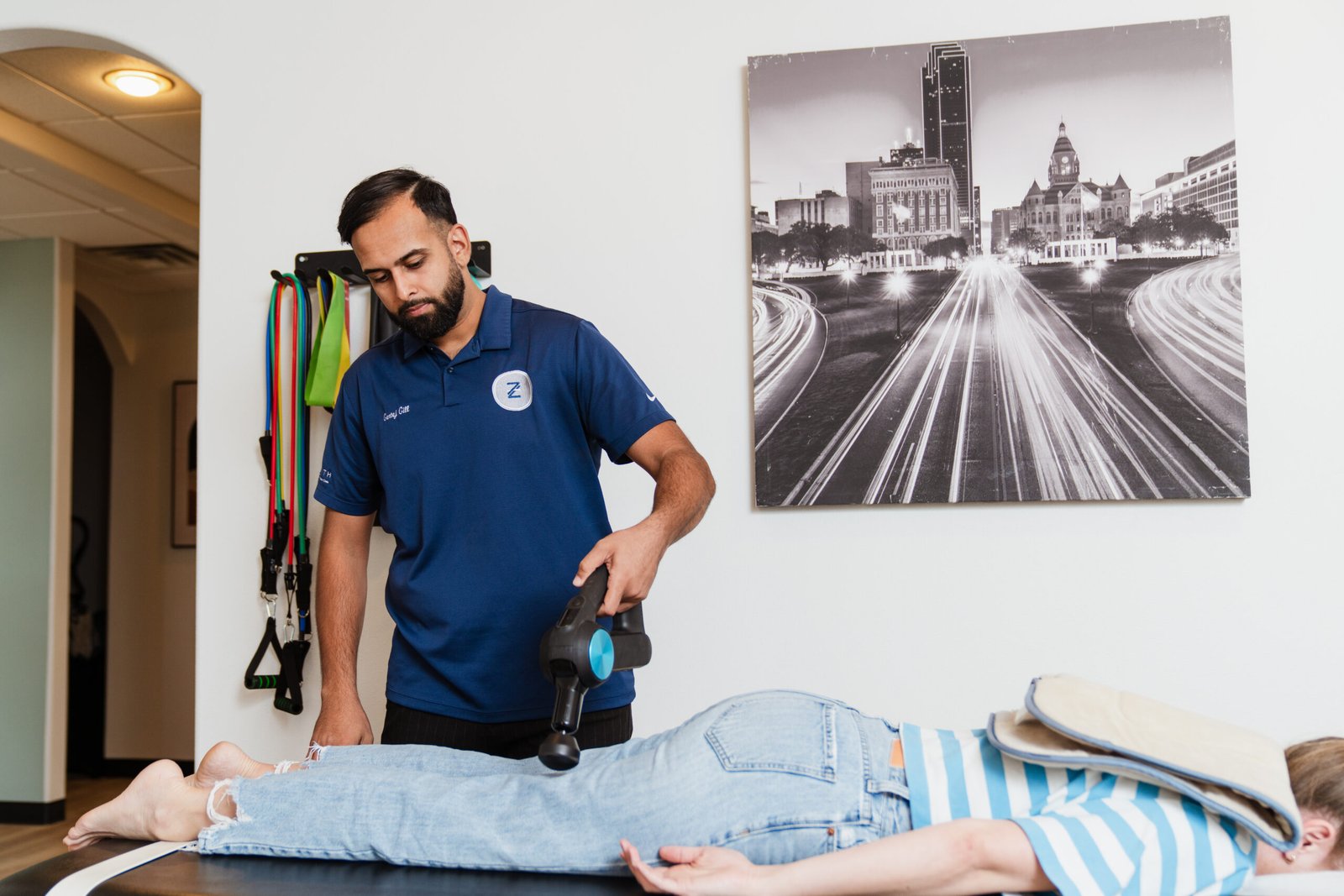
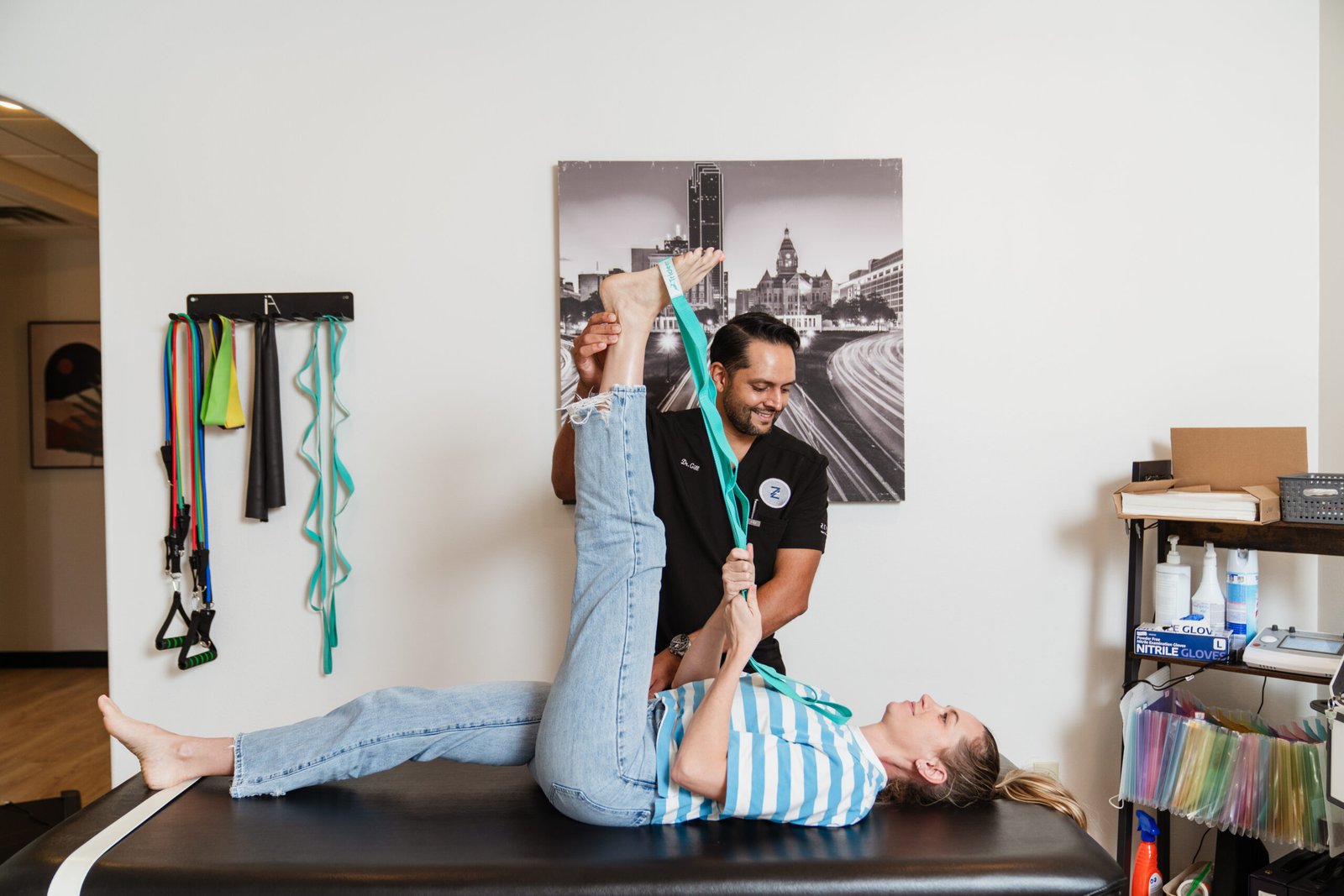
At ZENITH, that process starts with understanding how the body is functioning after injury. A functional movement assessment can reveal where motion is restricted, where strength has dropped, and where the body is compensating. Chiropractic adjustments may help improve spinal and joint mobility. Physical rehabilitation therapy can rebuild strength and stability. Stretch therapy and soft tissue therapy may support flexibility and reduce protective tightness. For certain conditions, spinal decompression may be used to reduce pressure and support recovery.
The plan is not built around a generic timeline. It is based on how the patient is actually moving. One person may need more mobility work before strengthening begins, while another may need stability and movement control before returning to activity.
Better Recovery Depends on Consistent Movement
Time can reduce irritation, but consistency is what helps recovery hold. Most injuries improve in stages: pain and inflammation settle, mobility returns, strength improves, and the body relearns how to tolerate normal activity.
Regular care allows progress to be monitored and adjusted as the body changes. Re-examinations help determine whether movement is improving, whether strength is returning, and when the body is ready for the next level of activity.
That structure is especially important after auto accidents, falls, work injuries, and sports injuries, where symptoms may appear days later as the body settles. Early evaluation can identify spinal misalignment, soft tissue injury, disc irritation, limited range of motion, or compensation patterns before they become harder to unwind. It also creates clear documentation when care is related to a personal injury or accident case.
If pain is limiting your movement, symptoms are lingering, or discomfort returns when you become active again, schedule an evaluation with ZENITH to understand what your body needs and begin a more structured path toward recovery.