
Tendon and soft tissue injuries can remain limiting long after the initial strain or impact.
A shoulder may still hurt with lifting. An Achilles tendon may become sore after walking or running. A muscle strain may feel better at rest but become irritated again once activity increases.
In these situations, Class IV laser therapy may be used to help reduce pain and support the recovery process while the injured tissue gradually returns to normal activity.
When Irritated Tissue Needs More Than Rest
Muscles, tendons, ligaments, and other connective tissues respond differently to injury than bone.
They may become painful, swollen, stiff, or sensitive to load, particularly after repetitive use, overtraining, sudden strain, or trauma. Even when the tissue is healing, certain movements can continue to provoke symptoms because the area has not yet regained full tolerance.
Tendon injuries are a good example.
Someone with Achilles or elbow tendinopathy may feel relatively comfortable at rest but notice pain once the tissue is asked to absorb repeated force. A shoulder strain may behave similarly, with discomfort returning during reaching or lifting.
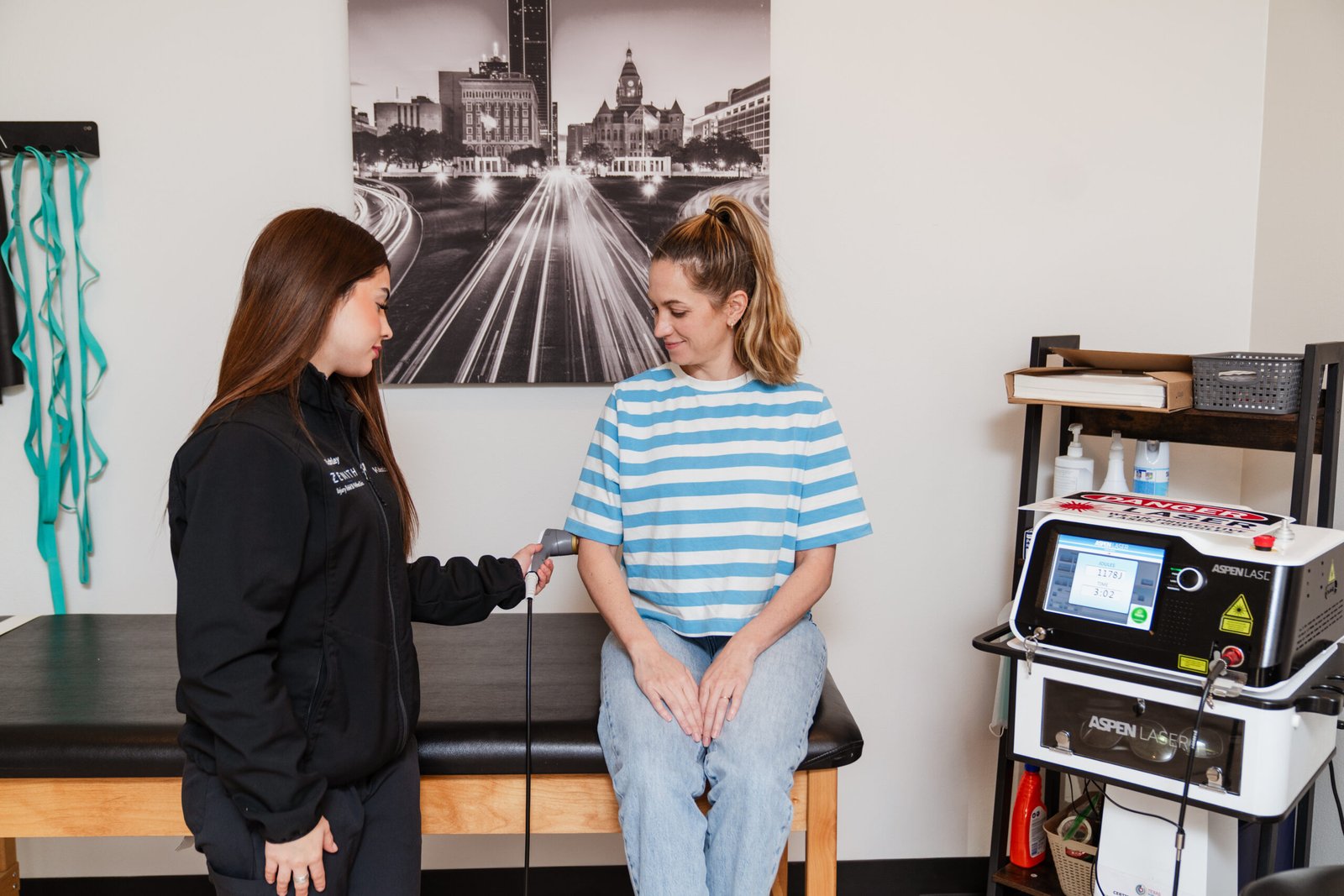
Class IV laser therapy uses therapeutic light energy to target the affected area. This process, often described as photobiomodulation, may influence cellular activity involved in pain, inflammation, and tissue recovery.
For some patients, reducing irritation can make movement more comfortable and create a better window for rehabilitation. You can also learn more about Class IV laser therapy and how Aspen Laser may support injury recovery.
Creating a Better Window for Rehabilitation
Feeling better after treatment is useful, but pain relief alone does not restore tendon or muscle capacity.
A tendon still needs to tolerate force. A strained muscle still needs to regain strength. A sprained ligament still needs enough stability for the joint to function comfortably.
That is where physical rehabilitation becomes important.
As symptoms become more manageable, exercises can gradually reintroduce the type of stress the tissue needs to handle in daily life. This may begin with basic movement and progress toward resistance, balance, lifting, running, or other activities depending on the injury.
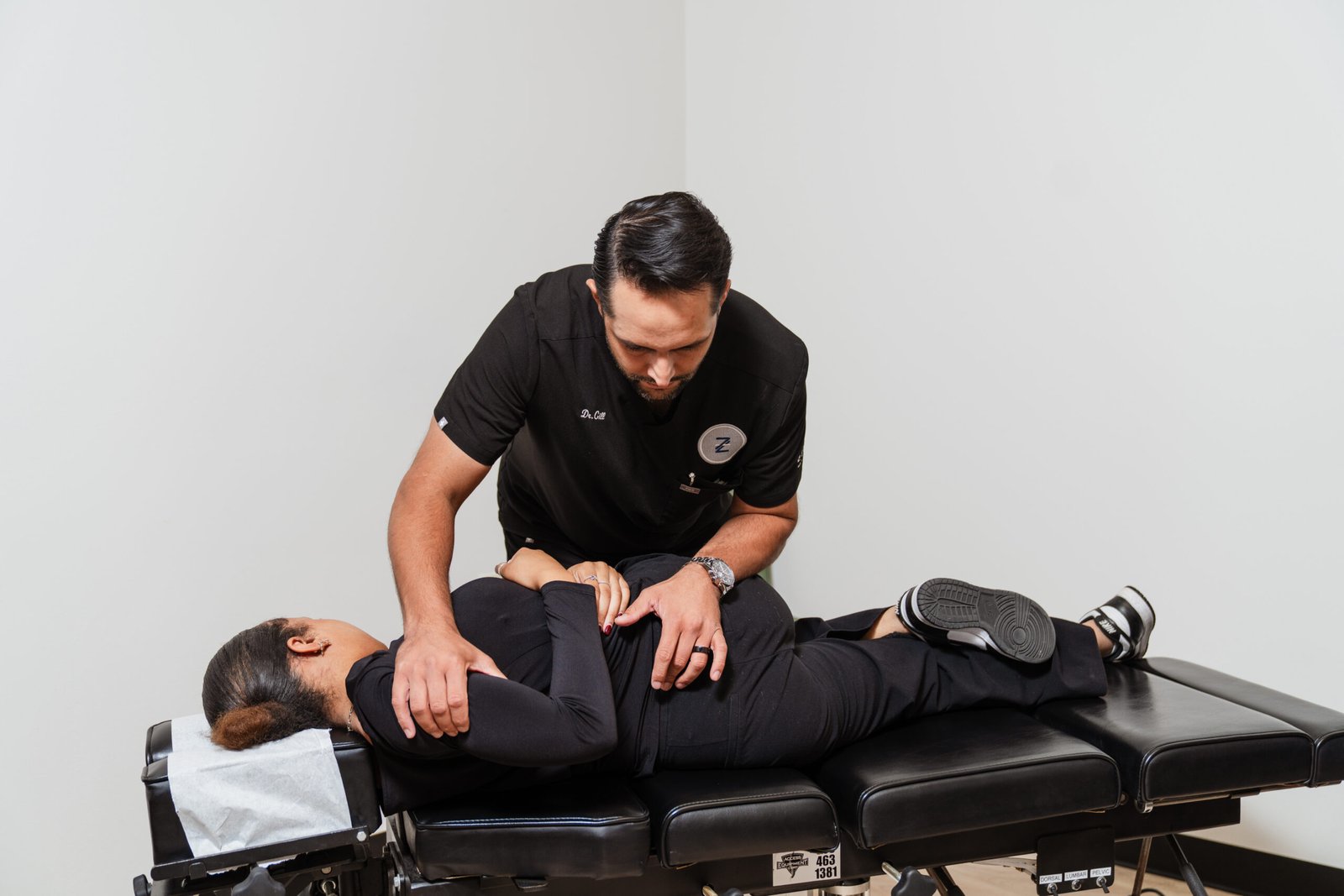
At ZENITH Injury Relief & Wellness Clinic in Frisco, Class IV laser therapy may be incorporated alongside physical rehabilitation, soft tissue therapy, stretching, or chiropractic care when those services support the broader recovery plan.
The combination depends on what tissue is involved and what continues to limit function.
Returning the Tissue to Real Physical Demand
The response to laser therapy varies from patient to patient. Some may notice less tenderness or easier movement, while others improve more gradually as treatment is combined with progressive exercise.
The more useful sign of recovery is whether the injured area can handle more of what daily life requires.
That may mean walking farther, lifting with less irritation, tolerating more resistance, or returning to exercise without symptoms escalating afterward.
As that capacity improves, rehabilitation can progress accordingly. If pain remains unchanged, worsens, or continues to return despite treatment, the injury may need further evaluation or a different approach.
If a tendon or soft tissue injury continues to limit movement or activity, schedule an evaluation with ZENITH. We can determine whether Class IV laser therapy may support your recovery and build care around restoring strength, movement, and tolerance for the activities you want to return to.