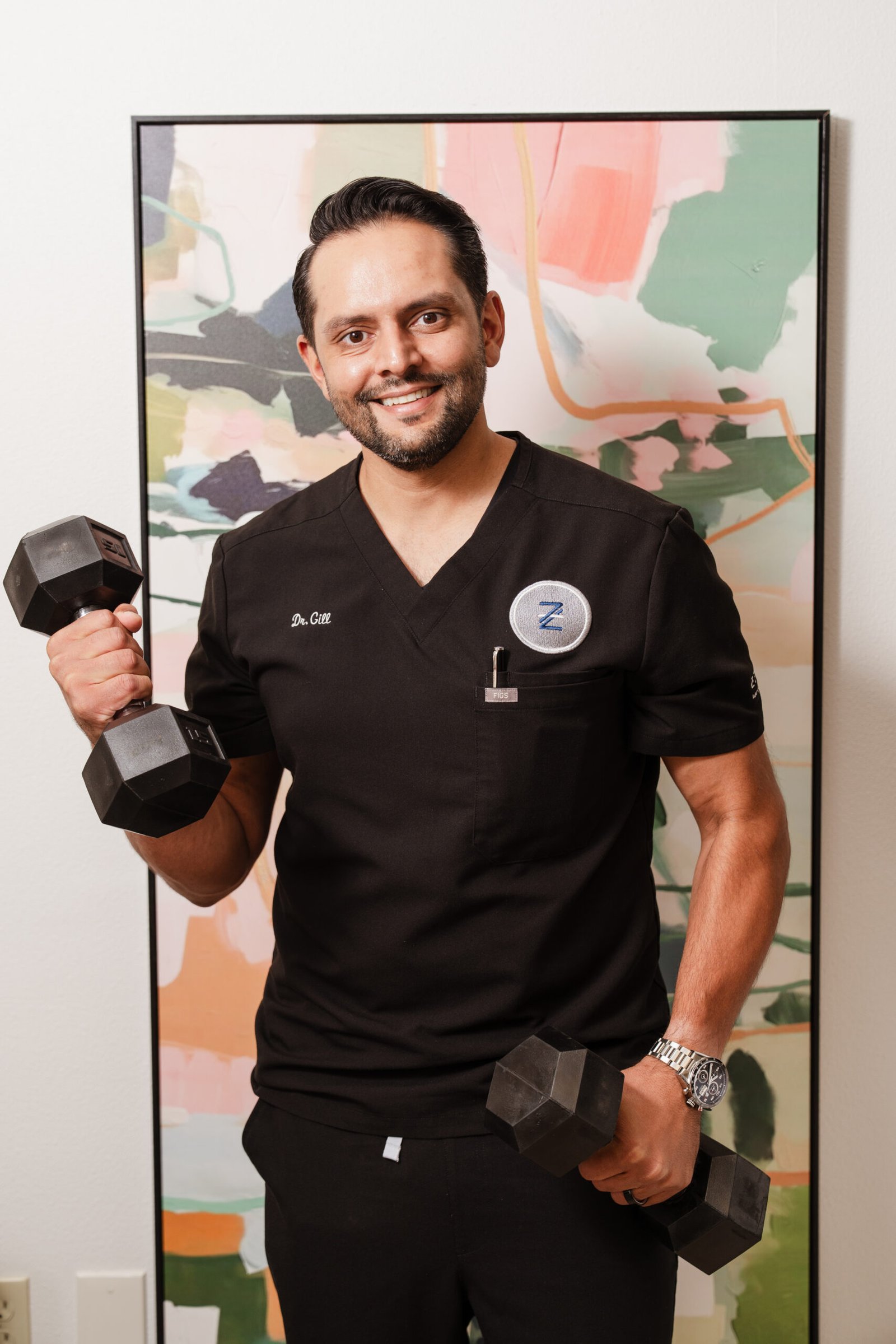

Exercise can improve strength, mobility, and endurance, but recovery after an injury usually requires more than choosing a few movements and repeating them on your own. The body may tolerate some activities well while still struggling with others, and those differences can shape how recovery should progress.
A rehabilitation plan is built around that starting point. Exercises are selected according to the limitation being addressed, then adjusted as strength, mobility, control, and tolerance improve.
Rehabilitation Starts With What Your Body Can Do Right Now
Two people with the same general complaint may need very different programs.
One person with lower back pain may have difficulty bending and lifting, while another may move comfortably but lose control during prolonged standing or repetitive activity. A general workout might strengthen similar muscle groups, but it may not address the specific task that is still limited.
At ZENITH, rehabilitation begins by looking at how the body performs the movements that matter in daily life. That can include range of motion, strength, balance, coordination, and tolerance for activities such as walking, reaching, lifting, or climbing stairs.
Those findings give the exercises a purpose beyond general fitness.
The Program Should Progress With Your Recovery
Early rehabilitation often begins with movements the injured area can tolerate without excessive strain. As capacity returns, resistance may increase, range of motion may expand, or exercises may begin to resemble the demands of work, exercise, and daily activity more closely.
Progress is based on more than pain. A knee may feel better but still be weak on stairs, a back may be comfortable until repeated lifting causes fatigue, or a shoulder may regain motion before it can tolerate weight overhead. These changes help determine whether the program should advance, stay at the current level, or be adjusted.
That progression is difficult to judge when exercising independently after an injury. Staying with easy exercises for too long may stop producing meaningful change, while advancing too quickly can exceed what the area is ready to handle. Rehabilitation uses strength, control, endurance, symptom response, and functional performance to guide the next step.
Rather than linking “strength, control, endurance” to chiropractic care, I recommend linking the chiropractic service in a more relevant sentence:
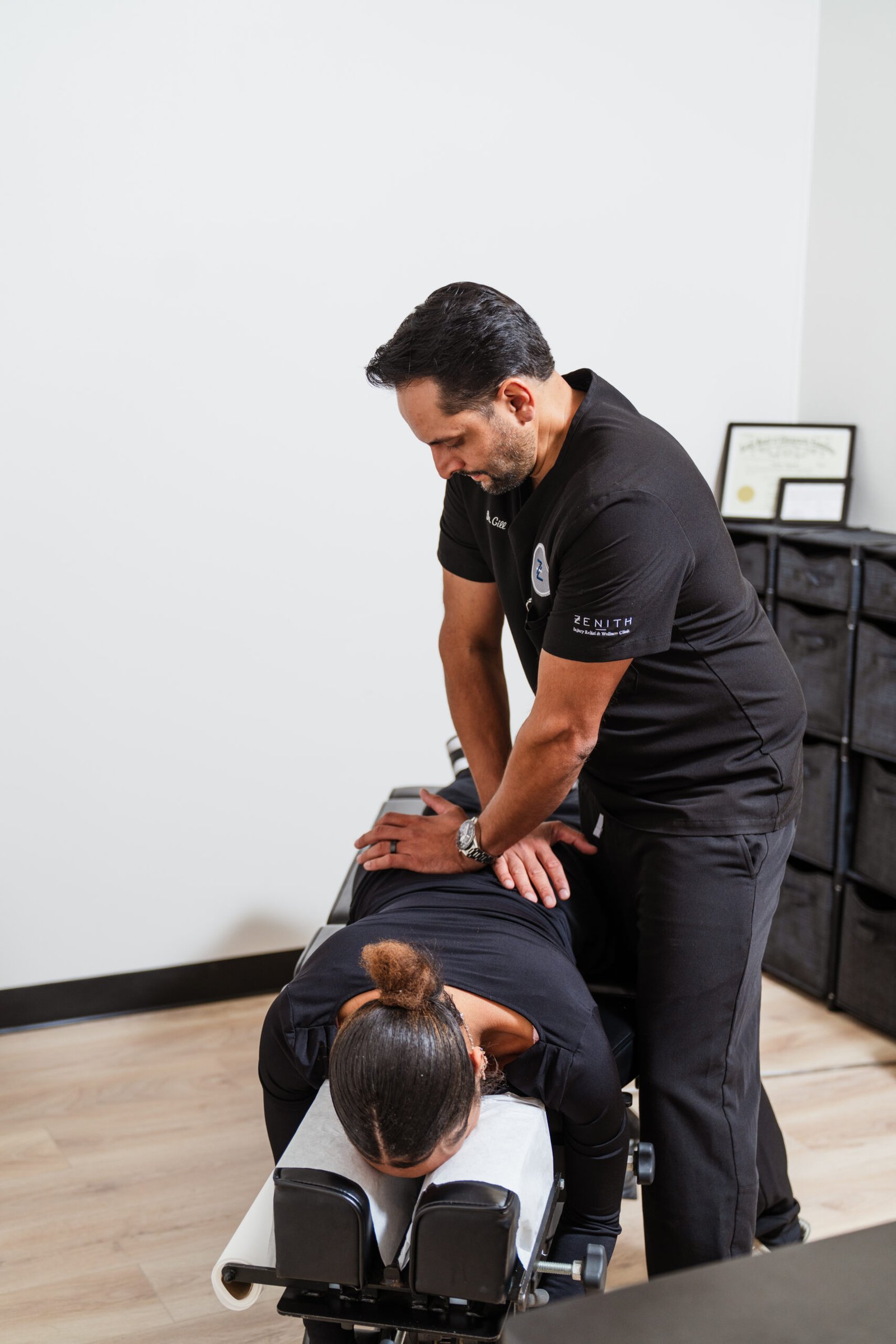
For patients who also have joint movement restrictions, chiropractic care may be considered alongside a structured rehabilitation program.
Building Toward Independent Exercise Again
Home exercise remains an important part of rehabilitation. The difference is that the patient has a clearer starting point, a reason for each exercise, and guidance on when the program should advance.
As function improves, supervised rehabilitation should become less central. The patient can gradually transition toward independent exercise with a better understanding of what the body can tolerate and how to continue building capacity without immediately returning to previous demands.
If an injury is still limiting how you bend, lift, walk, train, or move through everyday activities, schedule a rehabilitation evaluation with ZENITH. Our team can assess your current function and build a progressive rehabilitation plan around the physical demands you are working to regain.