
After an accident, many patients are told that their X-rays look normal. That can be reassuring in one sense, especially when fractures are ruled out. What it does not always explain, however, is why pain, stiffness, or limited movement continues days or even weeks later.
X-rays are designed to detect fractures and structural abnormalities in bone. They do not show muscles, ligaments, tendons, or many joint-related movement restrictions that commonly occur after trauma. When imaging is described as clear, it simply means there is no visible bone damage. It does not mean the body avoided injury.
Soft tissue injuries are among the most common outcomes of car accidents, slips and falls, and other sudden impacts. During trauma, the body can be forced beyond its normal range of motion. Even low-speed collisions can generate rapid acceleration and deceleration forces that significantly strain muscles, ligaments, tendons, and connective tissues that support the joints and spine.
Why Symptoms Persist Without Visible Damage
Unlike fractures, soft tissue injuries are not visible on standard X-rays. Ligament sprains, muscle strains, and joint capsule irritation are typically identified through clinical evaluation rather than imaging alone. Movement testing, palpation, and symptom patterns often reveal more about the injury than an image of the bone structure.
When a patient continues to feel discomfort despite “normal” imaging, it is often because the issue lies in how the body is functioning, not in the structure of the bone itself.
Common symptoms of soft tissue injury include:
- Stiffness that develops or worsens over several days
- Headaches
- Restricted range of motion
- Tenderness in the neck, back, shoulders, or hips
- Soreness that intensifies as the body settles after the initial shock
When soft tissues are strained, joint movement is frequently disrupted. Ligaments may become irritated or lax. Muscles often tighten protectively around affected areas. The nervous system responds by increasing tension to stabilize those regions, which can create ongoing discomfort and altered movement patterns.
If these restrictions are not addressed, the body may continue operating in a guarded state. Over time, posture can shift and pain may move from one area to another as compensation develops. Neck soreness may begin involving the shoulders. Lower back discomfort may begin affecting hip or leg movement.
X-rays play an important role in ruling out serious structural damage, but they do not evaluate functional movement. A movement-based assessment is often necessary to understand how trauma has changed the way joints and muscles are working together.
Restoring Movement After Soft Tissue Injury
Chiropractic care after an accident focuses on restoring joint mobility and reducing compensatory patterns that develop in response to soft tissue strain. At ZENITH, post-accident evaluations assess joint motion, posture, neurological signs, and muscular tension carefully to understand how the injury has affected the body as a system.
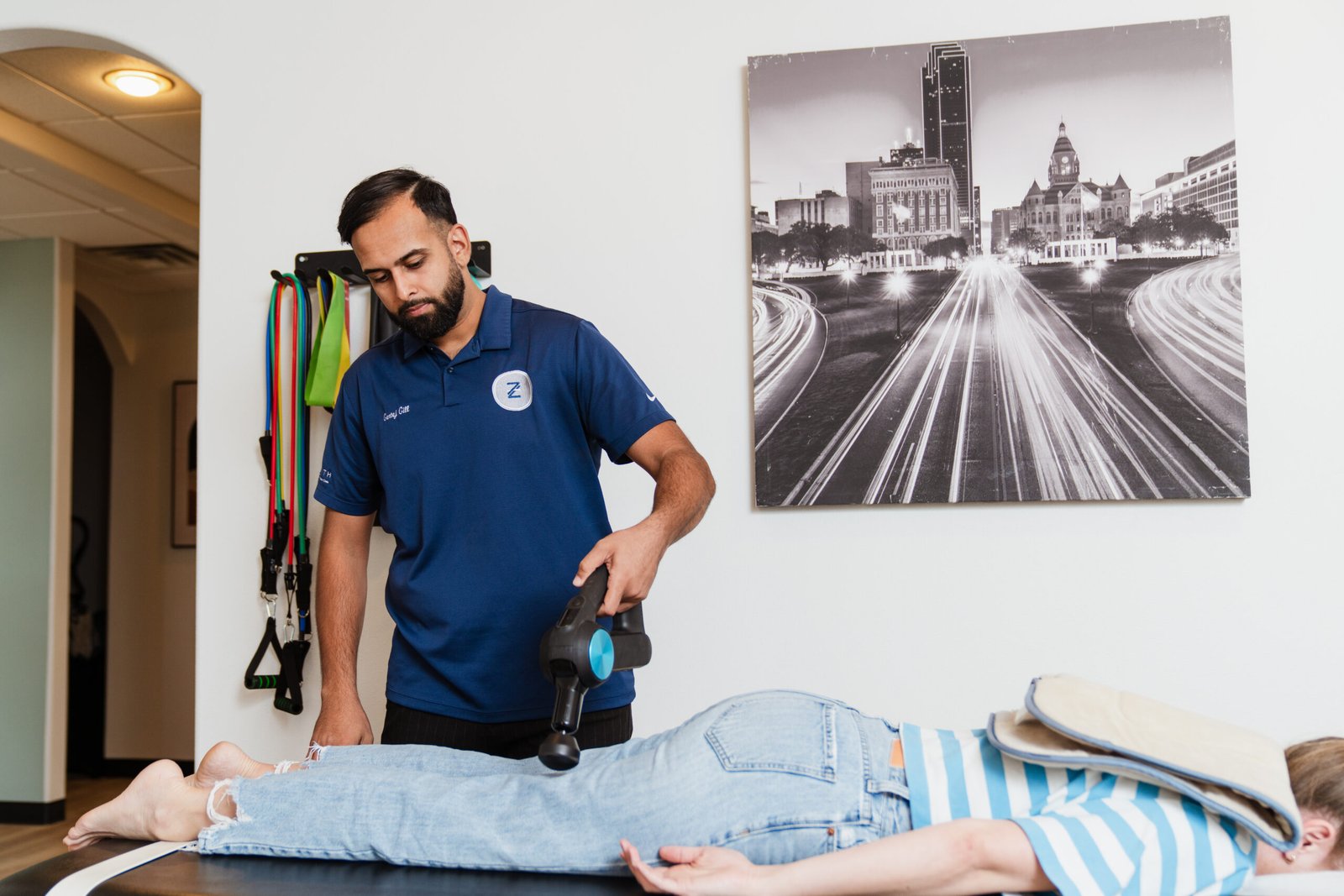
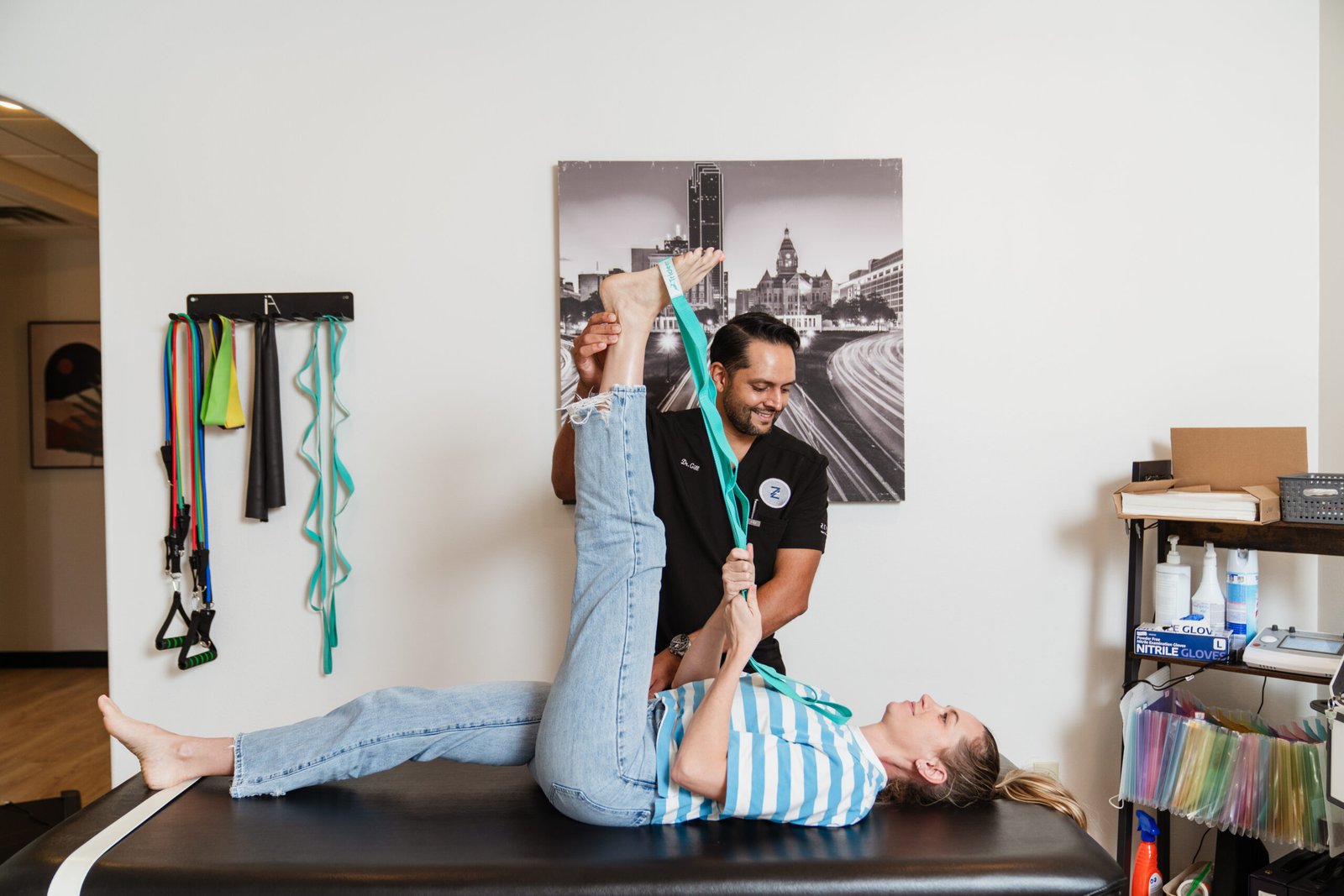
Treatment may include gentle adjustments to improve mobility, soft tissue support to reduce muscle tension, and guided movement strategies to promote stability and recovery. As mobility improves, the nervous system often shifts out of protective patterns, allowing tissues to heal more efficiently and reducing the likelihood of lingering dysfunction.
If you have been in an accident and your X-rays were normal but symptoms persist, schedule a chiropractic evaluation with ZENITH today to assess how your movement has been affected and begin structured care focused on proper recovery.