
Flexibility and mobility are often grouped together, but they play different roles in recovery. After an injury, the body does not always need more stretching. It may need better motion, stronger control, and a clearer way to move without compensation.
At ZENITH Injury Relief & Wellness Clinic, the focus is on helping patients understand what their body actually needs to heal well, not just feel looser for the moment.
Flexibility Helps, But It Is Not the Whole Answer
Stretching can be useful when muscles are tight, shortened, or uncomfortable. Guided stretch therapy may help reduce tension, improve comfort, and support range of motion. But tightness is often a response, not the root problem.
A patient may stretch the hamstrings and still feel low back pain because the hips, pelvis, and spine are not working well together. Someone else may stretch the neck every day and still feel stiff because the issue involves restricted joints, posture changes, or muscle guarding after injury.
In those cases, stretching may feel good for a short time, but the same tension keeps returning because the body has not changed the pattern underneath it.
Mobility Is Movement With Control
Mobility is not just how far the body can move. It is how well the body can move without compensation.
Good mobility allows the joints, muscles, and nervous system to work together during everyday movement: bending, lifting, walking, rotating, sitting, standing, and returning to exercise after injury. The goal is not more motion at any cost. The goal is motion that feels stable, coordinated, and useful.
This is where functional movement assessments become important. They help identify where the body is restricted, unstable, or working around an injury. Once those patterns are clear, care can be more specific instead of relying on stretching alone.
What Healing Often Requires
After an accident, fall, work injury, or sports injury, the body often protects itself by tightening muscles and limiting motion. That response can be helpful early on. Over time, though, it can create stiffness, pain, and movement patterns that become harder to unwind.
This is why the right approach depends on what the body actually needs. Some patients need more flexibility. Others need more stability. Many need both, but not always at the same time or in the same order.
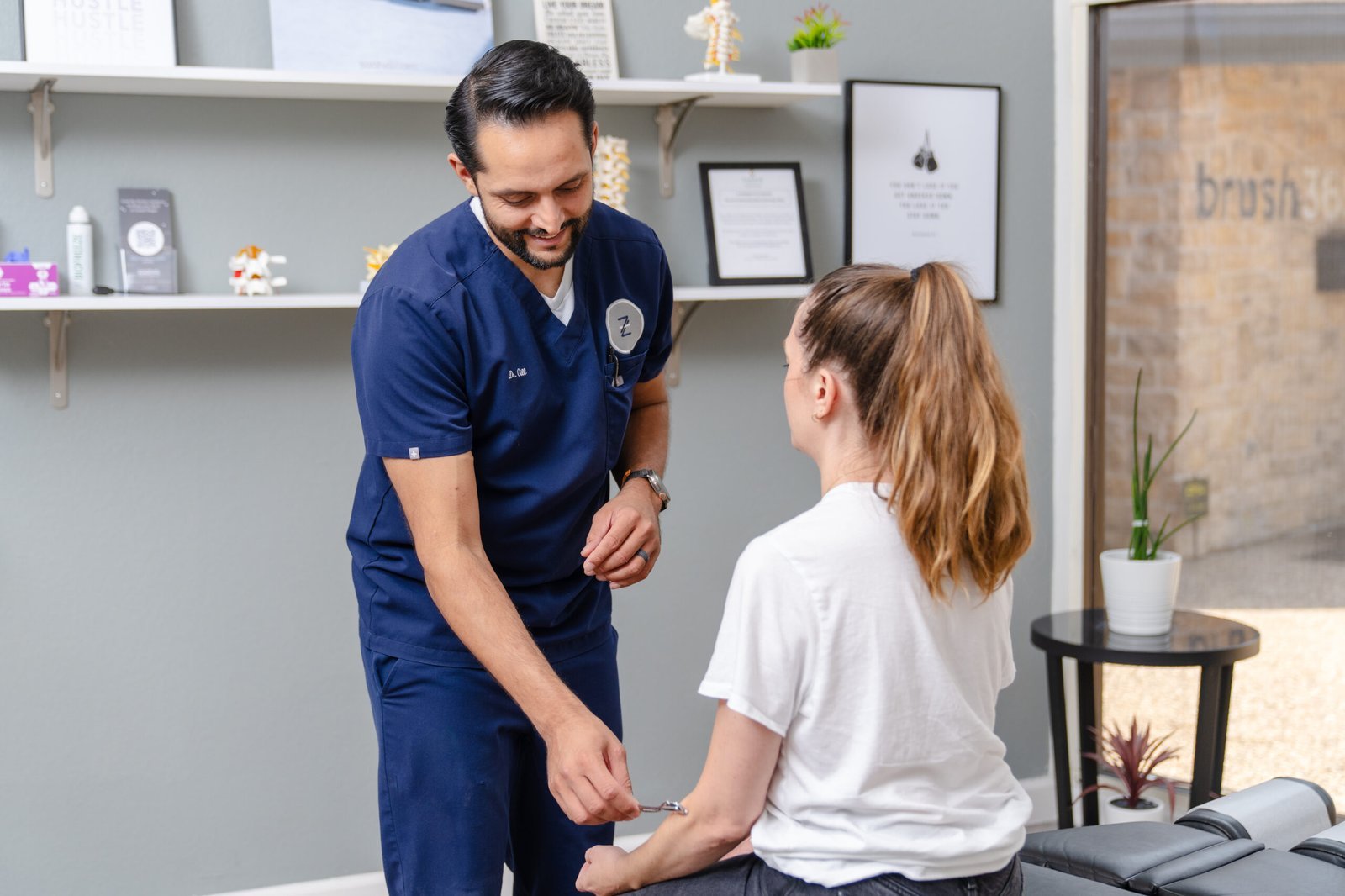
A structured care plan may include chiropractic adjustments to improve joint motion, physical rehabilitation to rebuild strength and control, stretch therapy to reduce stiffness, and soft tissue support to address tension that limits movement. Re-examinations help track progress and adjust care as the body changes.
Tight muscles may benefit from guided stretching and soft tissue work. Recurring pain may point to a need for rehabilitation and better movement control. Spinal restrictions may require chiropractic care before exercise or stretching feels effective.
The point is not to force the body into a bigger range of motion. It is to restore movement the body can control safely and consistently. At ZENITH, recovery is based on how the patient is moving, what symptoms are present, and what the body needs to function better long term. Care is structured around progress, not temporary looseness.
If stiffness, pain, or limited motion is affecting your recovery, schedule a chiropractic consultation with ZENITH today. Understanding how your body moves can help determine whether you need flexibility, mobility, stability, or a combination of all three.