
Car accidents do not always leave obvious injuries at the scene. Many patients walk away feeling shaken but able to continue their day. It is common to feel sore and assume it will resolve on its own. In reality, some of the most important symptoms develop hours or even days later.
During a collision, the body absorbs force quickly. Even at lower speeds, rapid acceleration and deceleration can strain muscles, ligaments, and spinal joints. Adrenaline often masks discomfort during the first 24 to 72 hours. Once that initial stress response settles, stiffness, headaches, and subtle movement changes may begin to surface.
Because of this delayed pattern, early symptoms are sometimes underestimated. Recognizing them promptly can make a significant difference in how well the body recovers.
Delayed Symptoms and Subtle Warning Signs
One of the most common patterns after an accident is delayed neck stiffness. Turning the head may feel tight or restricted. Headaches may appear at the base of the skull or behind the eyes. Shoulder tension can increase without a clear cause. Lower back discomfort may make sitting or standing for extended periods difficult.
Other symptoms that should not be ignored include:
- Tingling or numbness in the arms or legs
- Dizziness
- Increased fatigue
- Difficulty sleeping
- Pain that gradually intensifies instead of improving
These changes often indicate joint restrictions, soft tissue strain, or irritation within the nervous system.
It is also important to understand that imaging alone does not tell the full story. X-rays can rule out fractures, but they do not assess joint motion or soft tissue function. A person can have normal imaging results and still experience significant movement dysfunction. Pain and restriction often relate to how the body is functioning, not simply what appears on an image.
Why Early Evaluation Supports Recovery
After an accident, the body frequently enters a protective state. Muscles tighten around irritated joints, posture shifts subtly, and movement becomes guarded. If these patterns are left unaddressed, they can gradually become the new baseline. Over time, this may contribute to recurring headaches, chronic neck tension, lower back discomfort, or reduced mobility.
A chiropractic evaluation focuses on how the spine and surrounding joints are moving. Restricted motion in the neck, upper back, or lower spine can influence muscular tension and nervous system regulation. Identifying these restrictions early allows care to support the body while it is still adapting, which often leads to steadier progress and fewer long-term complications.
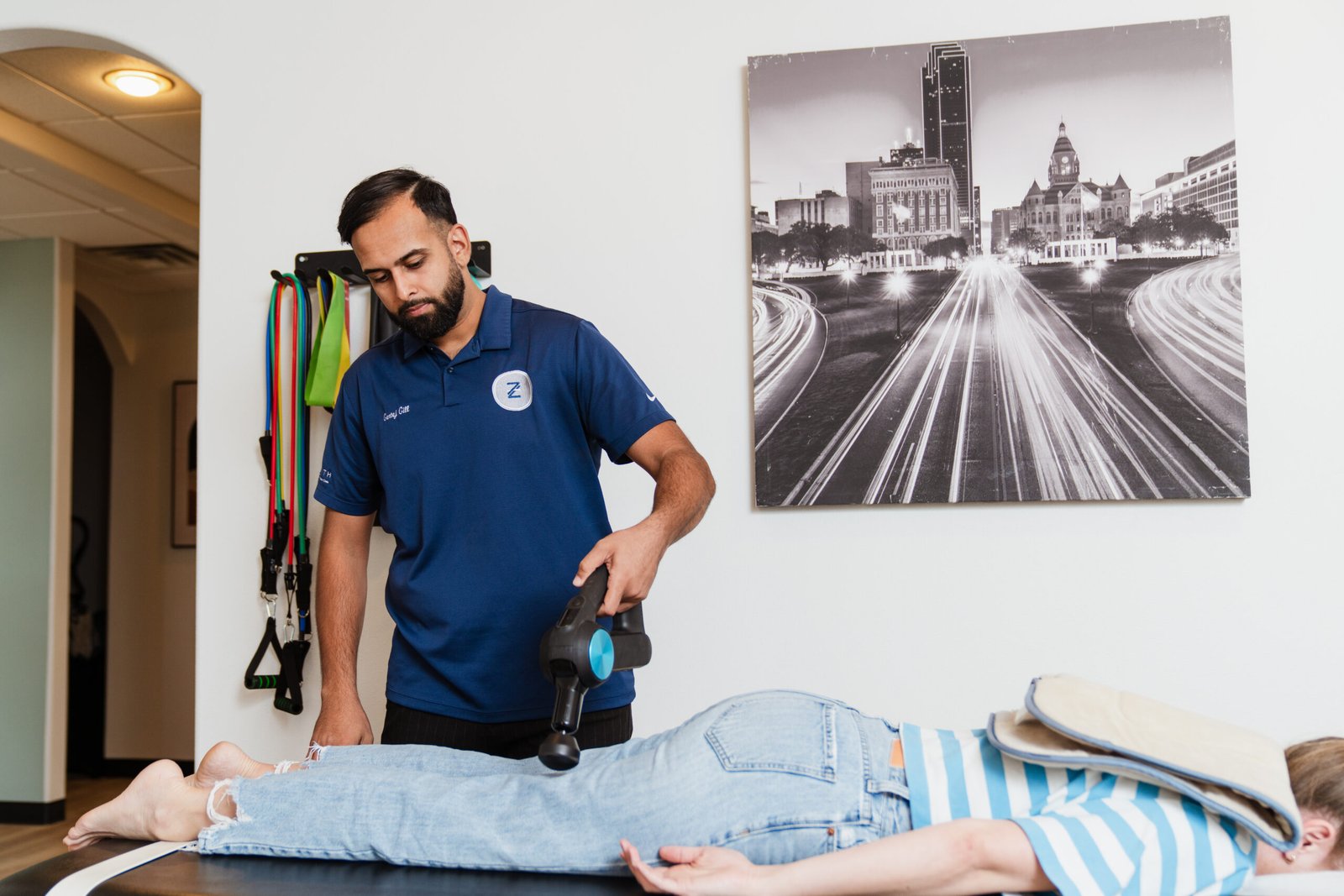
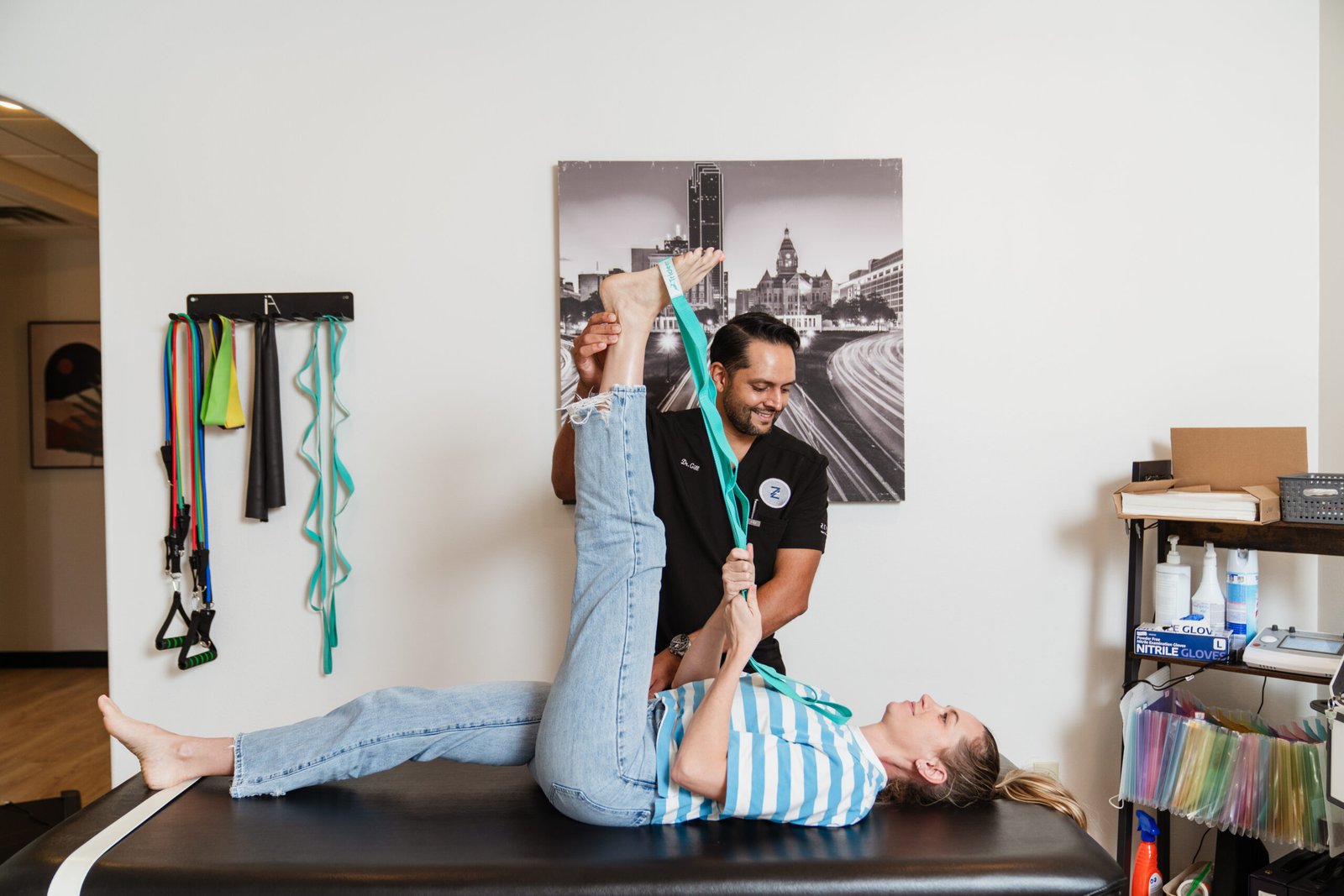
At ZENITH Injury Relief & Wellness Clinic, post-accident care begins with a detailed review of how the collision occurred and how symptoms have evolved. We assess joint mobility, posture, muscle tone, and neurological signs to understand how the injury has affected the body as a system. Treatment may include gentle chiropractic adjustments and supportive care aimed at restoring motion and reducing compensation patterns so the body can heal more efficiently.
If you have been in a car accident and are noticing new or worsening symptoms, schedule an evaluation with ZENITH today to assess your movement and begin structured care focused on proper recovery.