
Pain improving is a good sign, but it does not always mean the body is ready to return to everything it was doing before the injury.
A patient may feel significantly better and still notice that lifting feels awkward, the neck does not turn as freely, or certain activities cause fatigue sooner than expected. These are often signs that strength, mobility, endurance, or movement control still need to catch up.
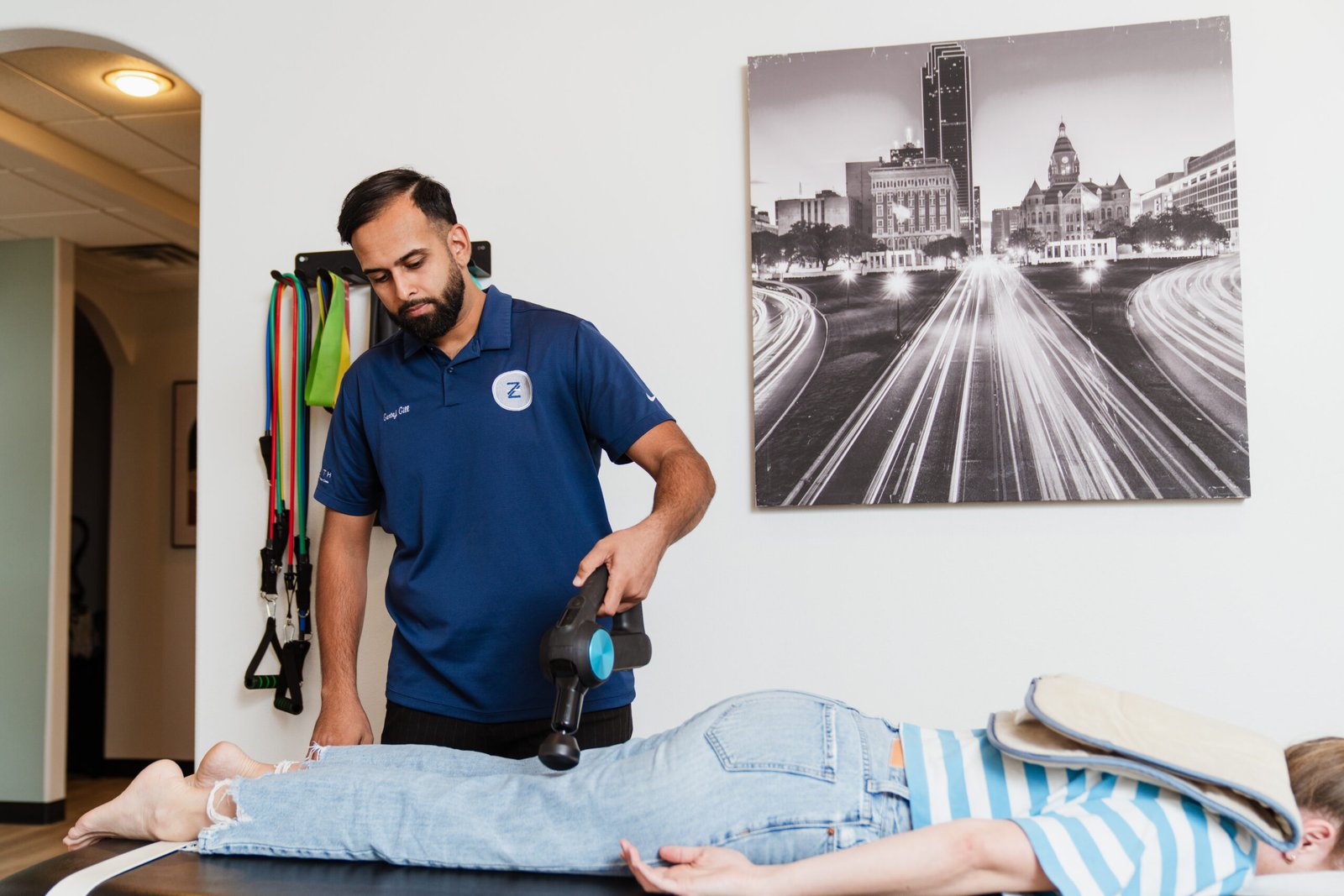
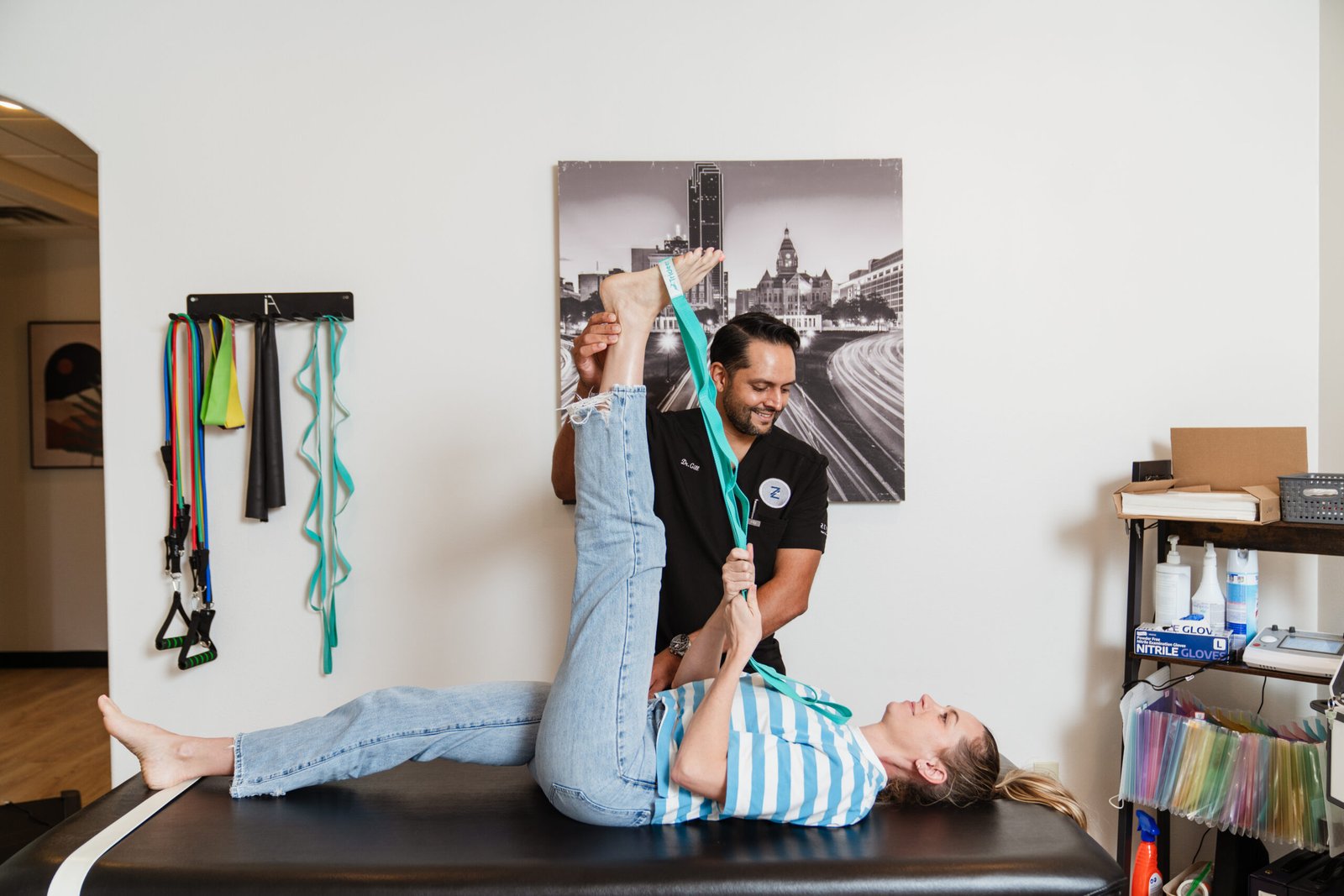
At ZENITH Injury Relief & Wellness Clinic in Hurst, physical rehabilitation is used to help patients rebuild those abilities as recovery progresses.
What Can Still Be Limited After Pain Decreases
Pain and function do not always improve at the same pace.
Someone recovering from a back injury may no longer have sharp discomfort but still struggle with prolonged sitting, bending, or lifting. After a neck injury, pain may settle before comfortable rotation returns. Other patients notice weakness or reduced endurance when they resume work, exercise, or household activity.
Common limitations can include:
- Reduced strength or muscular endurance
- Stiffness through an injured area
- Difficulty with specific movements
- Reduced balance or stability
- Lower tolerance for longer or more demanding activity
These limitations provide useful information about what still needs to be rebuilt before activity increases further. Understanding the difference between mobility and flexibility can also help clarify why certain movements remain difficult even after pain decreases.
How Physical Rehabilitation Builds Back Function
Physical rehabilitation uses progressive exercise to restore abilities affected by an injury.
Early exercises may focus on controlled movement and basic strength. As the patient improves, resistance, range of motion, balance, or activity demands can gradually increase.
The program depends on what the patient needs to return to. A person recovering from a lower back injury may work on core strength, hip stability, bending, and lifting. Someone with a neck injury may focus more on rotation, upper-body control, and endurance for driving or desk work.
Rehabilitation can also help prepare the body for tasks that are difficult to reproduce through symptom relief alone. Being able to tolerate a work shift, return to exercise, carry groceries, or move comfortably through a full day requires more than simply having less pain.
For patients preparing to resume physically demanding jobs, understanding how chiropractic care supports a safer return to work after injury can provide additional context for the recovery process.
How Progress Helps Determine the Next Step
Rehabilitation gives patients a structured way to increase activity without jumping immediately from restricted movement back to normal demands.
Exercises can be progressed as strength and tolerance improve. If a particular movement remains limited, the program can be adjusted rather than repeatedly pushing through the same difficulty.
At ZENITH, rehabilitation may also be coordinated with chiropractic care or other treatments when the evaluation shows that joint motion, tissue restriction, or another issue is still affecting recovery.
This combined approach is explored further in ZENITH’s guide to how chiropractic care and physical rehabilitation may work together after injury.
Over time, progress becomes easier to see in practical terms: a patient can turn farther, lift with more control, stay active longer, or return to tasks that had been difficult earlier in recovery.
If your pain has improved but strength, movement, or activity tolerance still feels limited, schedule an evaluation with ZENITH. Physical rehabilitation can help address what remains before you return fully to work, exercise, and everyday activity.