
It is a familiar pattern for many people dealing with injuries. The pain starts to ease, movement feels more manageable, and there is a sense that things are finally turning a corner. Then, without much warning, the discomfort returns. Sometimes it is the same pain. Other times it shows up slightly differently, but enough to signal that something was never fully resolved.
This cycle can feel confusing, especially when it seems like progress was already made. In most cases, the issue is not that the body failed to heal. It is that the initial phase of recovery addressed symptoms faster than it corrected the underlying movement problem. Pain tends to be the first thing to improve. Stability and coordination take longer.
When Relief Happens Before the System Is Fully Restored
Early changes in how an injury feels are often tied to reduced inflammation and decreased muscle guarding. That shift alone can create noticeable relief. Movements that were once sharp or restricted begin to feel smoother, and daily activities become easier to tolerate.
But this stage is only part of the process. Beneath that improvement, the system may still be operating the same way it did when the injury first developed. Joint motion may still be limited. Muscles that are supposed to support and control movement may not be doing their job consistently. Other areas of the body may still be compensating to keep things functional.
When care stops at symptom relief, these patterns remain in place. The body feels better because it is under less immediate stress, not because it is fully prepared to handle normal demand again.
As activity gradually returns, those unresolved patterns begin to matter more. What felt stable at rest starts to break down under load. The same stress that contributed to the injury is still present, and the body eventually responds the same way.
Why Pain Often Returns as Activity Increases
The body does not just need to heal. It needs to tolerate movement again.
Everyday life places repeated demands on joints, muscles, and connective tissue. Walking, lifting, sitting for long periods, or exercising all require coordination across multiple regions of the body. When one part is not functioning well, the load shifts elsewhere. This is where recurring pain tends to show up.
As activity increases, small inefficiencies become more significant. A joint that does not move well forces surrounding areas to take on more work. Muscles that fatigue too quickly lose their ability to stabilize. Movement patterns that were never retrained continue to distribute force unevenly.
At first, the body adapts. Over time, it starts to accumulate stress again. This is why many injuries feel fine during rest but become irritated during normal routines. The system has not been fully prepared for the return to load, even if the pain temporarily subsided.
Moving Beyond Short-Term Relief Toward Lasting Recovery
Sustainable recovery requires more than reducing discomfort. It requires changing how the body moves and handles stress over time.
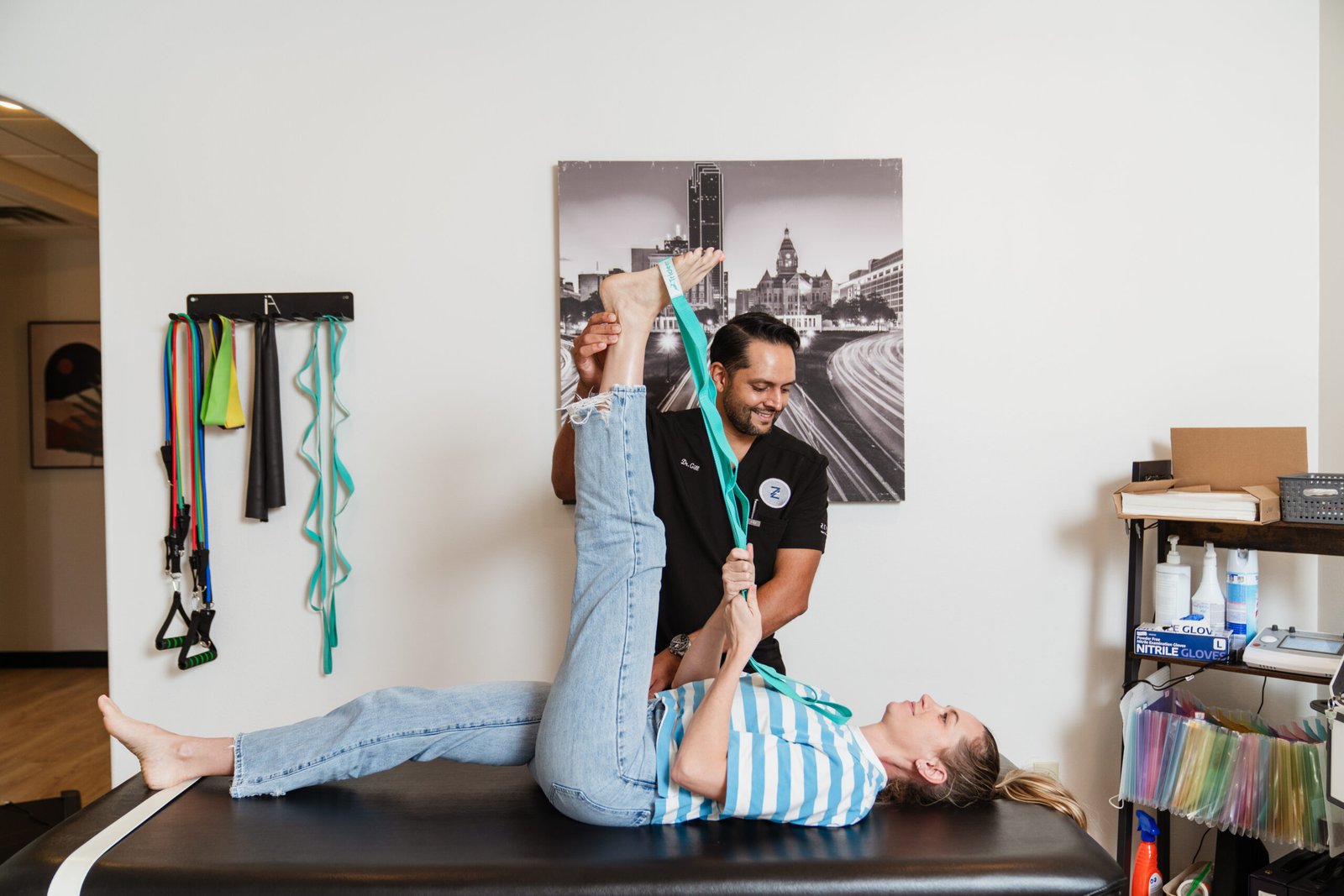
Mobility needs to be restored where movement has been lost. Strength has to be rebuilt in a way that supports control, not just force production. Coordination between different parts of the body must be reinforced so that movement becomes more efficient and less compensatory. Each phase builds on the last.
When this progression is consistent, the body becomes more resilient. It is not just reacting less to stress, rather it is better equipped to manage it. This is what reduces the likelihood of the same injury pattern repeating.
Stopping care too early interrupts that progression. The body leaves the process with less pain, but without the capacity it needs to sustain normal activity.
Why Recurring Injuries Require a Different Focus
When an injury keeps returning, the focus has to shift. Instead of asking how to quiet the pain again, the better question is why the same area continues to get overloaded.
That answer is rarely found in the painful spot alone. It often involves how nearby joints are functioning, how force is being transferred through the body, and whether the system has adapted in a way that prioritizes short-term protection over long-term efficiency.
Care that looks at the body as a connected system can identify these patterns and begin to correct them. Not by chasing symptoms, but by addressing the mechanics that keep recreating them.
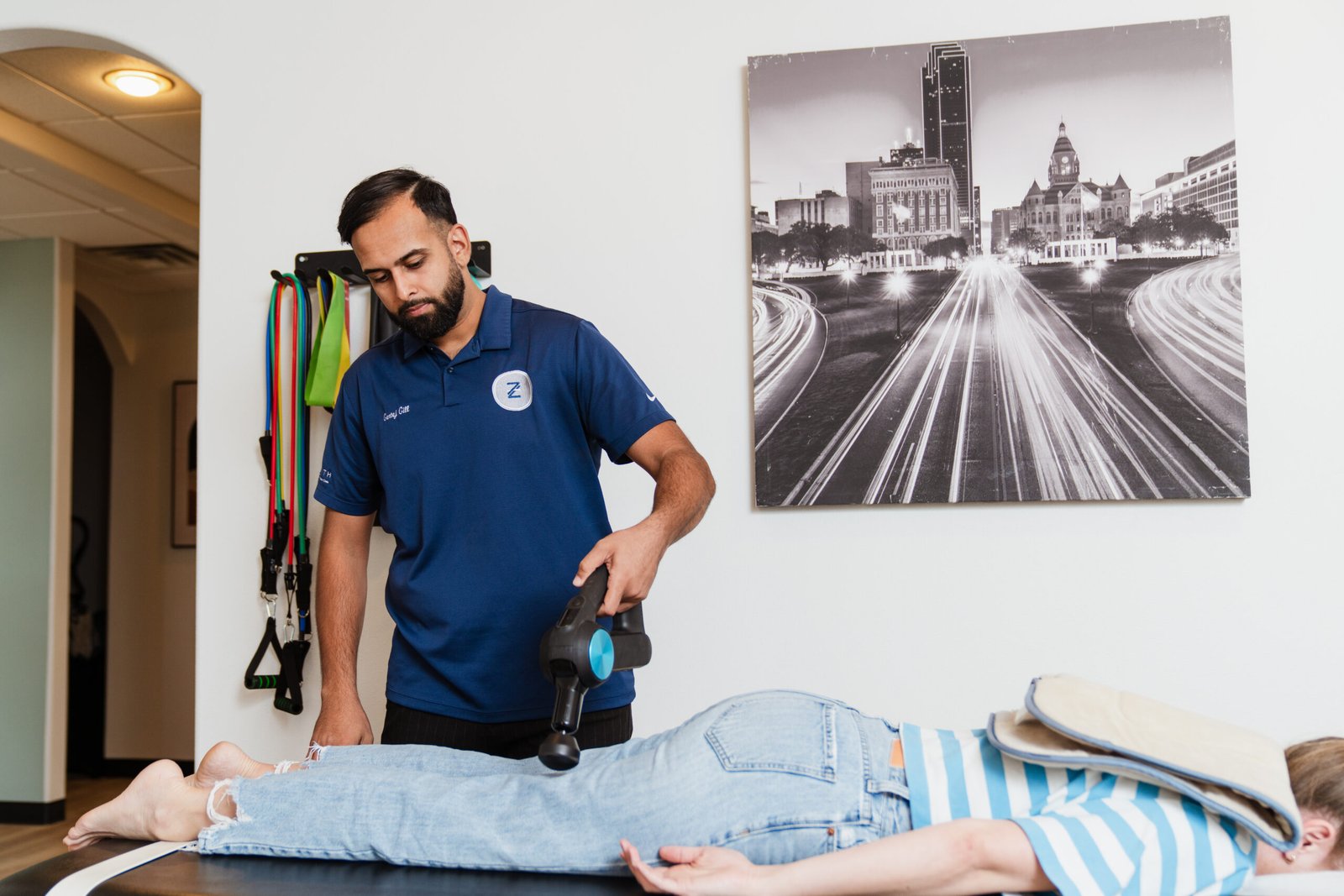
At ZENITH Injury Relief and Wellness, this is the foundation of how recurring injuries are approached through structured chiropractic care. The goal is not just to create temporary relief, but to restore movement, improve load tolerance, and guide the body through a complete recovery process.
If your pain improves but continues to come back, it is time to look beyond symptoms. Schedule an evaluation with ZENITH and take the next step toward resolving the problem at its source, not just managing it when it flares up.