
Spinal decompression therapy is a non-surgical treatment used to reduce pressure through specific areas of the spine. It is most often considered when disc stress, nerve irritation, and movement limitations appear to be working together.
At ZENITH Injury Relief & Wellness Clinic, decompression is not treated as a one-size-fits-all answer for back or neck pain. It is recommended when the patient’s symptoms, exam findings, and movement patterns suggest that reducing disc pressure may support recovery.
The goal is not just temporary relief. It is to help irritated areas calm down, improve mobility, and support better movement over time.
What Spinal Decompression Therapy Does
Spinal decompression uses controlled traction to gently stretch the spine. This may help reduce pressure inside the affected disc and create a better environment for irritated nerves and surrounding tissues to settle.
For patients with disc-related pain, that change in pressure can matter. A bulging or herniated disc may affect nearby structures, especially when the spine is loaded through sitting, bending, lifting, or prolonged standing. Decompression is designed to reduce that mechanical stress in a controlled way.
Treatment is usually performed over a series of sessions. Each session is monitored and adjusted based on the patient’s condition, comfort level, and response to care. As symptoms change, the plan may also change.
When Decompression Fits Into a Treatment Plan
Spinal decompression may be considered when symptoms suggest disc involvement or nerve irritation. This may include sciatica, chronic low back pain, disc-related neck pain, pain that travels into the arm or leg, or symptoms that worsen when the spine is under load.
At ZENITH, recommendations are based on a full evaluation. This may include a chiropractic consultation, orthopedic or neurological screening, movement assessment, and review of imaging when available. Digital X-rays may help assess spinal alignment and structural factors that influence treatment planning.
That evaluation matters because decompression is not appropriate for every patient. The question is not simply whether the spine hurts. The question is whether reducing disc pressure fits the way the symptoms are presenting and how the body is moving.
Even when decompression is recommended, it is usually one part of a larger care plan. Disc pressure may be contributing to pain, but muscle guarding, joint restriction, poor movement patterns, and weakness can all keep symptoms coming back. When the spine is irritated, the body often protects the area by tightening muscles, limiting motion, and shifting stress into the hips, core, shoulders, or other joints.
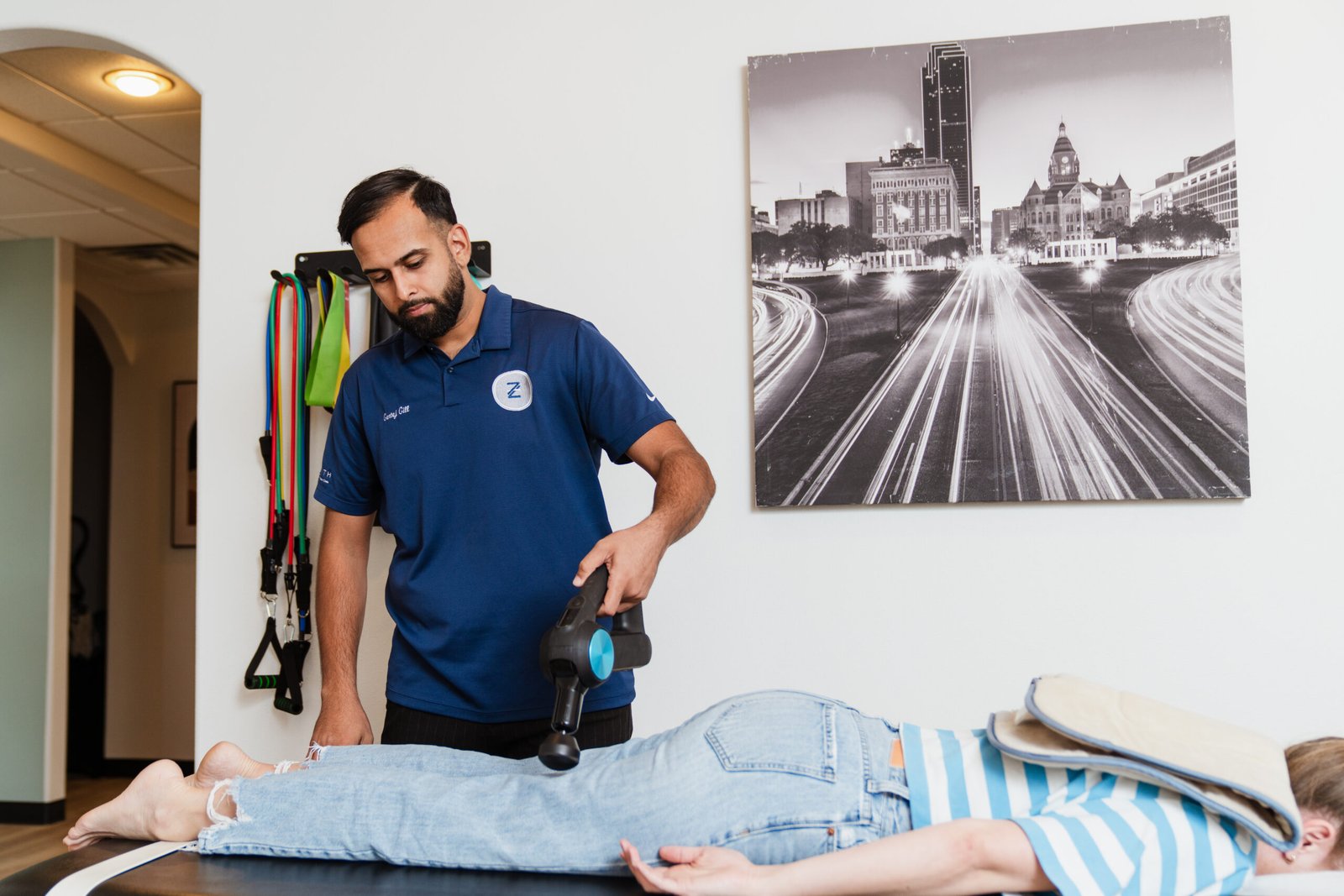
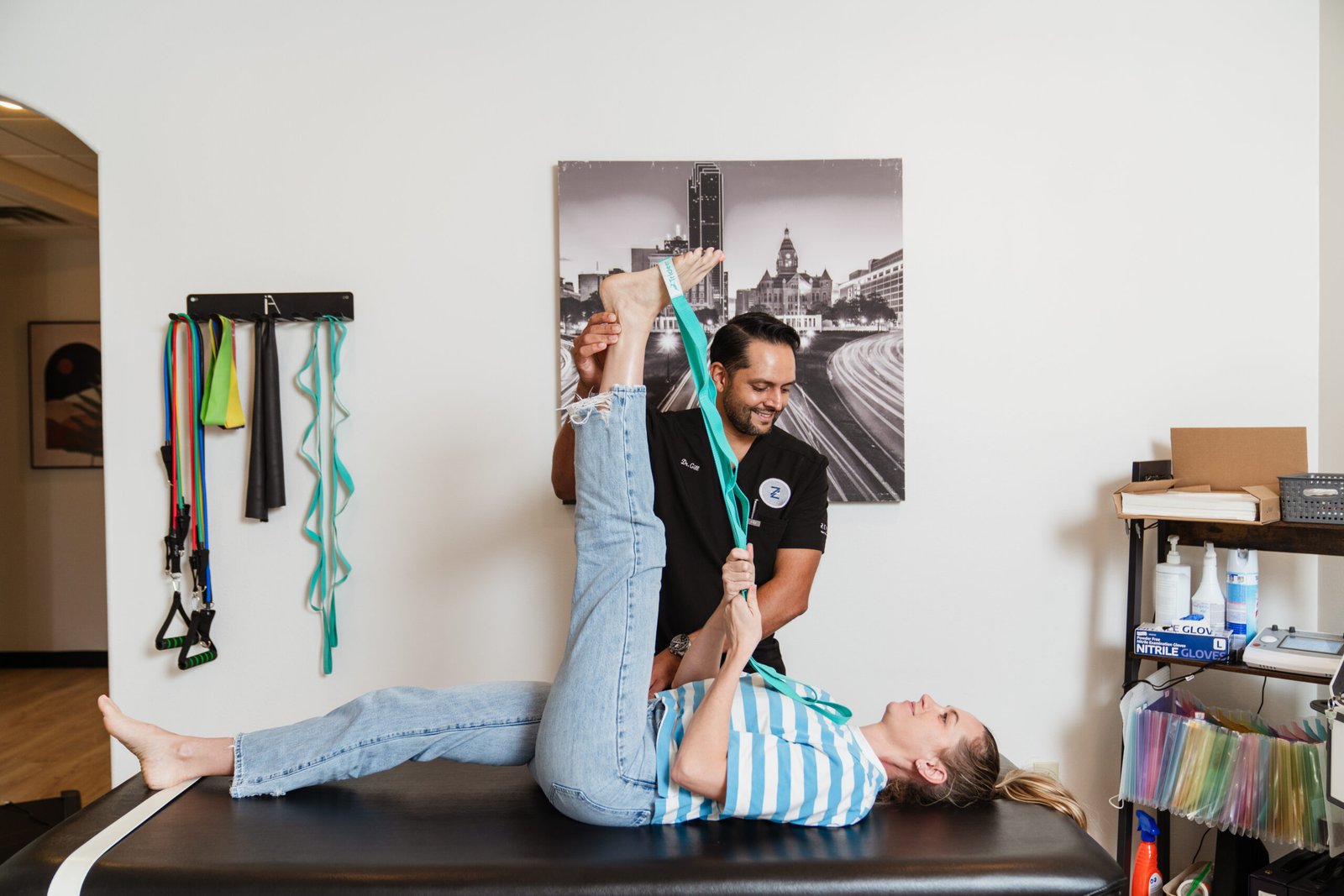
A structured plan may combine spinal decompression with chiropractic adjustments, physical rehabilitation therapy, soft tissue therapy, electric muscle stimulation, stretch therapy, or functional movement assessments. Decompression may help reduce pressure and nerve irritation. Adjustments may support better joint motion. Rehabilitation can improve strength, stability, and movement control so the same areas are not repeatedly overloaded.
Long-term improvement usually depends on more than temporary relief. Patients often need better spinal mechanics, improved core and hip stability, and practical guidance for lifting, sitting, sleeping, driving, and returning to activity safely. The goal is to help the body recover in a way that holds up in daily life, not just during treatment.
What Patients Should Expect
Spinal decompression therapy is non-surgical and does not involve medication. Many patients describe it as gentle, though every case responds differently depending on the severity of the condition, how long symptoms have been present, and whether nerve irritation is involved.
Progress is usually tracked through changes in pain, mobility, nerve symptoms, and daily function. Is it easier to sit, stand, sleep, walk, or move without guarding? Are symptoms traveling less often? Are flare-ups becoming less frequent or easier to manage?
Re-examinations may be used to determine whether care should continue, be modified, or be combined with additional rehabilitation.
Spinal decompression is not right for every condition. Certain fractures, advanced instability, severe osteoporosis, tumors, infections, or other medical concerns may require a different approach. That is why evaluation comes first.
Schedule a consultation with ZENITH to find out whether decompression fits your condition and how a structured care plan can support better movement and long-term recovery.