
Back pain can feel difficult to sort through, especially when an exam or imaging brings up terms like “bulging disc” or “herniated disc.” They sound similar, and they are related, but they do not describe the same thing.
The difference matters because disc-related pain can affect more than the area where pain shows up. It can change how the spine moves, irritate nearby nerves, and cause the body to compensate in ways that create more strain over time.
At ZENITH Injury Relief & Wellness Clinic, disc-related pain is evaluated with attention to movement, nerve irritation, injury history, and daily function. The goal is not just to identify the disc issue. It is to understand how that issue is affecting the way your body moves and recovers.
Bulging Disc vs. Herniated Disc
Spinal discs sit between the bones of the spine and help absorb pressure as the body bends, twists, sits, lifts, and walks. When a disc becomes irritated or stressed, it can change shape or structure.
A bulging disc happens when the outer portion of the disc extends beyond its normal boundary. The disc may still be intact, but it spreads outward and can place pressure on nearby structures.
Some bulging discs cause no symptoms. Others may contribute to low back or neck pain, stiffness, pain with sitting or bending, numbness, tingling, or sciatica-like symptoms if a nerve is irritated. Bulging discs often develop gradually from posture stress, repetitive strain, aging, or previous injury, though they may become symptomatic after a car accident, fall, or lifting incident.
A herniated disc usually involves more disruption to the disc itself. In this case, the inner gel-like material pushes through a weakened or torn area in the outer layer of the disc. This can create more direct irritation around nearby spinal nerves.
Herniated discs may cause sharp or radiating pain, numbness, tingling, weakness, limited range of motion, or pain that worsens with coughing, sneezing, sitting, or certain positions. In the lower back, this may feel like sciatica. In the neck, symptoms may travel into the shoulder, arm, or hand.
The label matters, but it does not tell the whole story. A mild herniated disc may respond well to conservative care, while a bulging disc that irritates a nerve may need a more structured plan.
Why Treatment Depends on More Than the Diagnosis
Disc care should be based on how the body is functioning, not just what the imaging report says. Two patients can have similar disc findings and very different symptoms. One may move well with only mild discomfort. Another may have guarded movement, nerve pain, disrupted sleep, and trouble sitting or standing for long periods.
That is why ZENITH looks at the full pattern: Where is the disc issue located? Are nerve symptoms present? What movements make the pain worse or better? Did the symptoms follow an accident, fall, or lifting injury? How is it affecting work, driving, sleep, and daily activity?
When a disc issue changes spinal movement, the body often starts protecting the area. Muscles tighten. Posture shifts. Some joints move less, while others take on more stress. Over time, those compensations can become part of the problem.
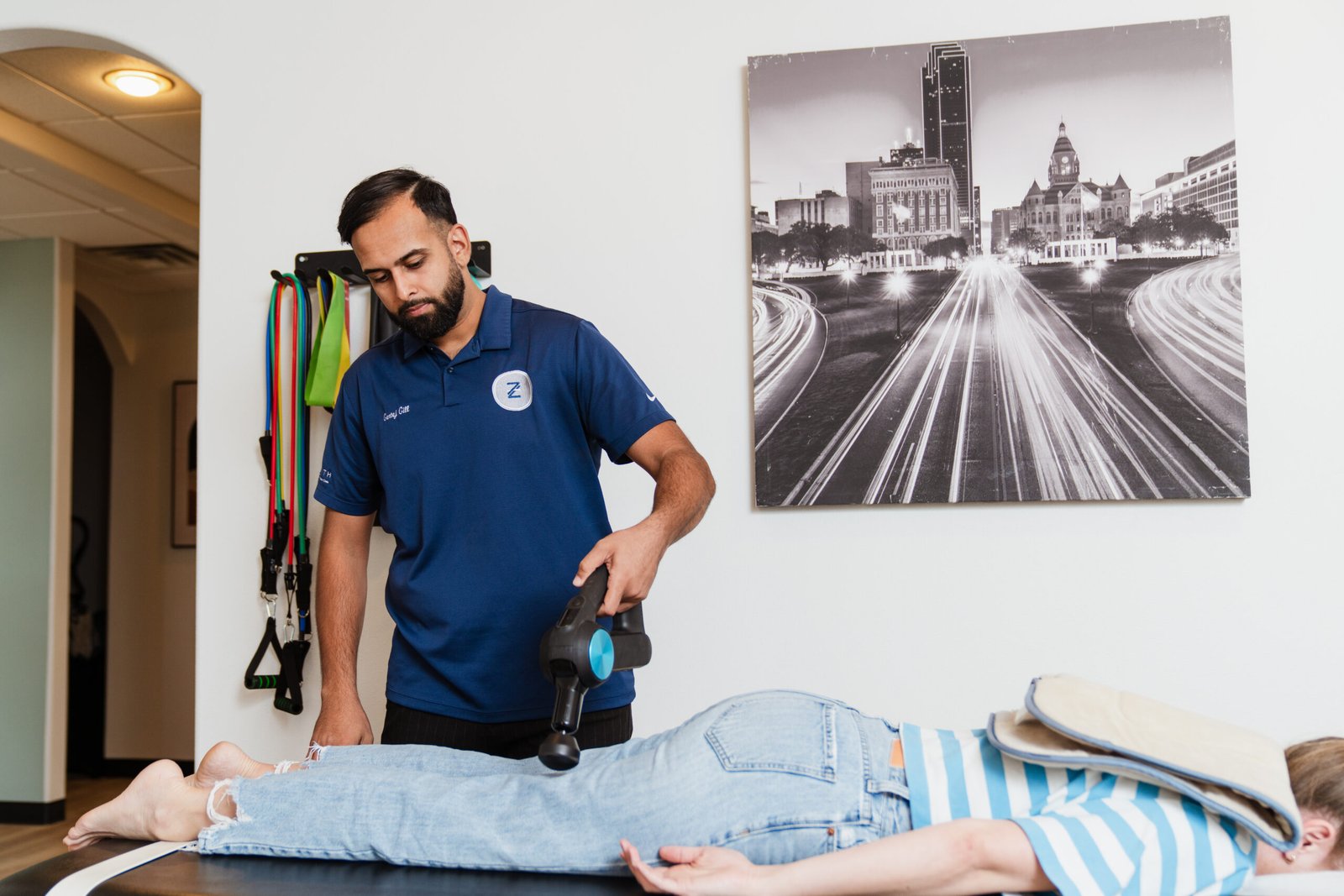
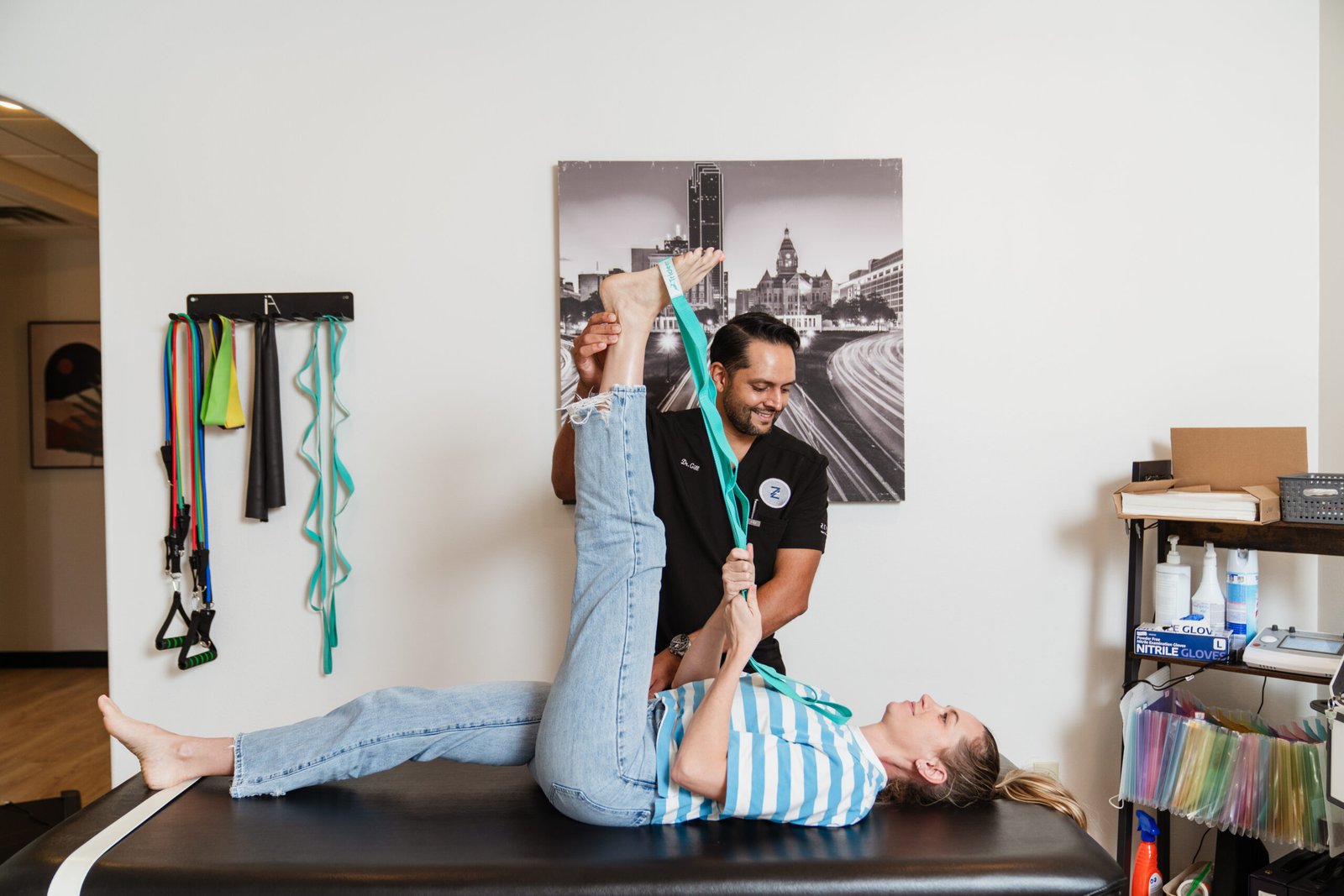
Care at ZENITH may include chiropractic adjustments, spinal decompression therapy, physical rehabilitation therapy, soft tissue therapy, and functional movement assessments. Spinal decompression may be recommended when disc pressure is contributing to pain, nerve irritation, or restricted movement. Rehabilitation may help improve stability, strength, and movement control so the same areas are not repeatedly overloaded.
When needed, digital X-rays or outside imaging can help clarify spinal alignment, injury patterns, or contributing factors. For accident-related cases, proper documentation may also be important for continuity of care.
When to Get Evaluated
Disc pain should be evaluated when symptoms are persistent, worsening, or spreading into the arms or legs. Numbness, tingling, weakness, radiating pain, difficulty standing or walking, or pain after a car accident or fall should be taken seriously.
These symptoms do not always mean surgery is needed. Many disc-related problems respond well to conservative care. They do mean the spine, nervous system, and movement patterns should be assessed carefully.
Getting evaluated earlier can help reduce irritation and prevent the body from compensating for too long. The longer movement stays restricted, the harder it can be to restore normal function.
ZENITH Injury Relief & Wellness Clinic provides structured, movement-focused care for disc injuries, back pain, neck pain, and sciatica. Schedule a chiropractic consultation with ZENITH to understand what may be causing your symptoms and what type of treatment plan may support your recovery.