
Shoulder pain after a car accident, fall, or sports injury can seem easy to explain. The shoulder hurts, so attention naturally goes to the joint, rotator cuff, or surrounding soft tissue.
After an accident, though, pain in the shoulder often reflects more than a local injury. The neck and upper back play a major role in how the shoulder moves, stabilizes, and absorbs force. When those areas become restricted or irritated, the shoulder may be where the problem is felt first.
At ZENITH Injury Relief & Wellness Clinic, accident-related care looks at how the body is moving after injury, not just where pain appears. Shoulder pain is evaluated in context: spinal mobility, posture, range of motion, soft tissue tension, and movement control all help explain what may be keeping the area irritated.
Why the Shoulder Often Reacts to Spinal Strain
A sudden impact does not isolate itself neatly to one joint. In a rear-end collision, side impact, fall, or twisting injury, force can travel through the neck, upper back, ribs, and shoulder girdle at once. Even without a fracture or visible injury, that force can change how the body moves.
When the spine stiffens after trauma, nearby muscles often tighten to protect the area. The shoulder then has to work around that restriction. Over time, that compensation can make normal movements feel painful or limited.
That is why accident-related shoulder pain can show up during everyday activity. Reaching overhead may feel tight. Lifting may feel weaker than usual. Turning the head while driving may pull into the shoulder. Sitting for long periods can create heaviness through the upper back. Sleeping on one side may become uncomfortable.
The pain may be felt in the shoulder, but the pattern behind it may involve whiplash-related joint irritation, nerve sensitivity, upper back stiffness, rib restriction, or muscle guarding. A shoulder-only exam can miss those connections. The goal is to understand what changed after the accident and which parts of the movement system are no longer working together well.
Symptoms That Suggest the Pain Is Not Just Local
Some shoulder injuries are easy to pinpoint. Others are not. The pain moves, changes with head position, or feels worse after driving, sleeping, or sitting still. It may come with stiffness, headaches, tingling, or weakness.
Those patterns matter. Pain between the neck and shoulder, burning or tingling into the arm, limited head rotation, headaches, weakness with lifting, or discomfort that builds through the day may point beyond the shoulder joint itself. These symptoms do not automatically mean the injury is severe, but they do suggest the spine and surrounding soft tissue should be evaluated.
Timing can also be misleading. Many people feel mostly fine right after an accident because adrenaline and stress can dull symptoms early. Hours or days later, inflammation builds, muscles tighten, and movement becomes more guarded. By the time shoulder pain becomes obvious, the body may already be compensating.
If that compensation continues, it can become part of the problem. A stiff upper back changes how the shoulder blade moves. Protective muscle tension can keep stress feeding into the same area. Limited motion can make the body avoid certain positions, creating more stiffness over time.
How ZENITH Supports Recovery After an Accident
Post-accident care should not stop at the place where pain shows up. A crash that looks minor can still change how the body moves, and symptoms that appear later may still be connected to the injury. With shoulder pain, that often means looking beyond the joint itself and understanding how the spine, soft tissue, and movement patterns are contributing.
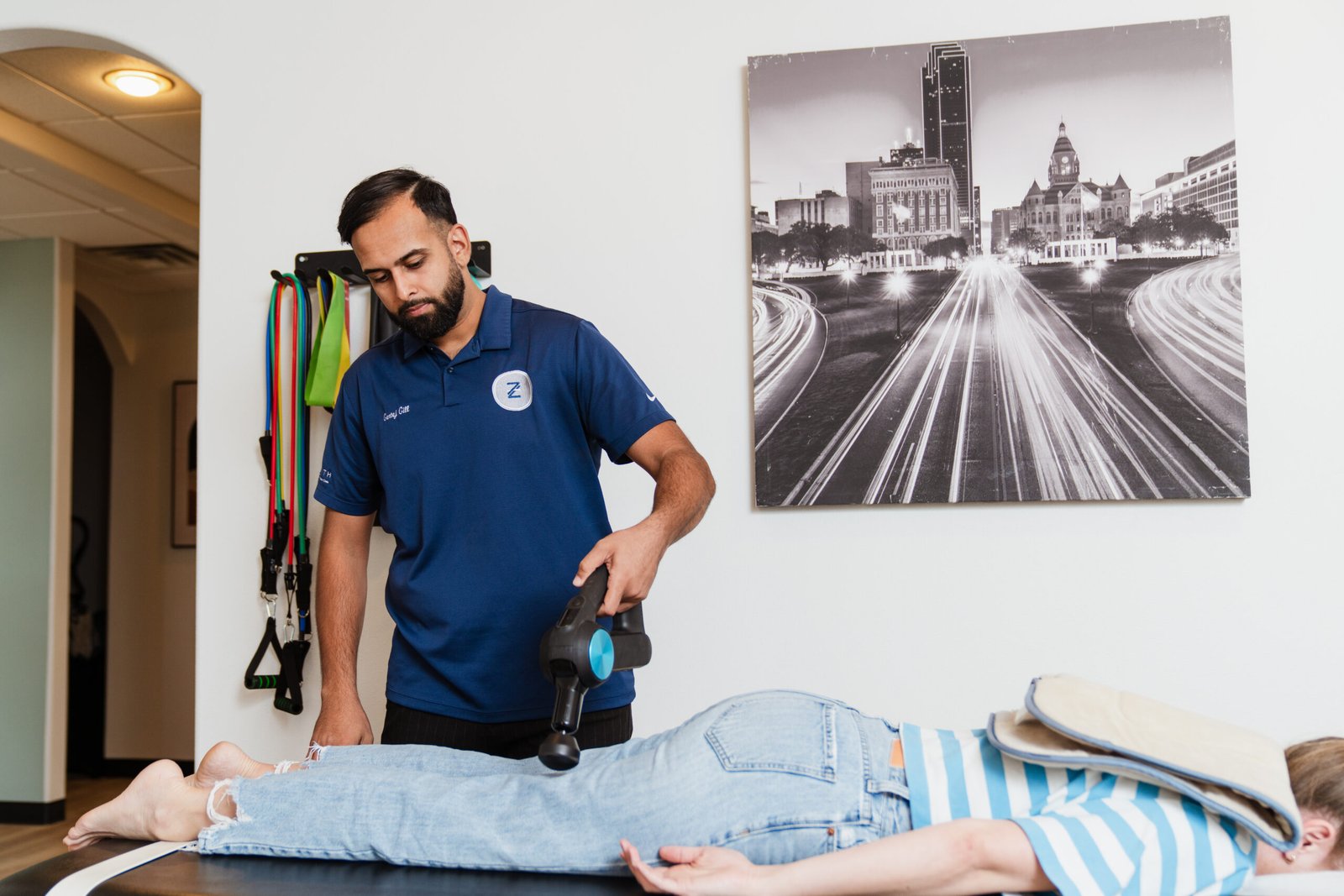
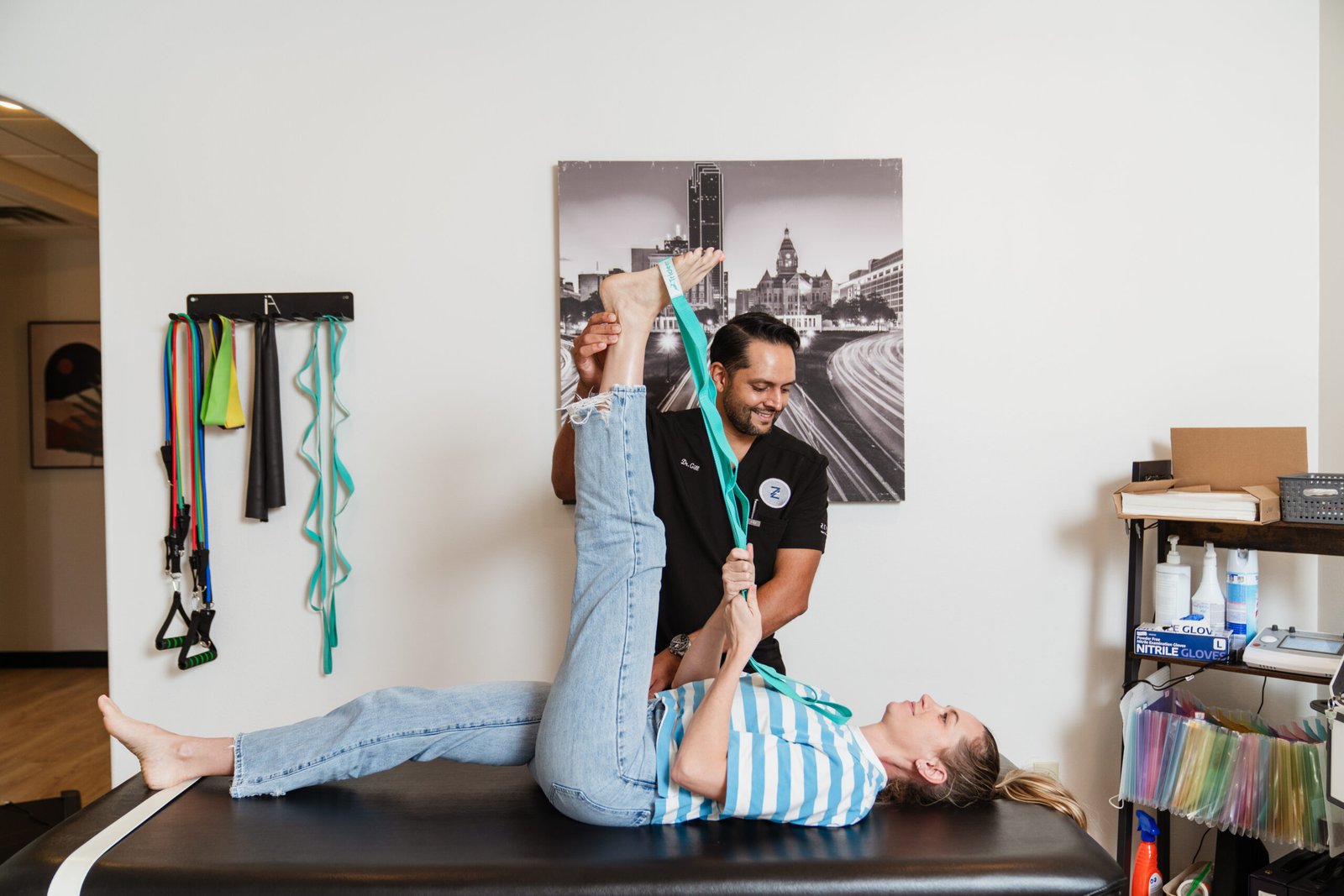
At ZENITH, care starts with a structured assessment of how the neck, upper back, and shoulder are working together. Range of motion, posture, soft tissue tension, nerve-related symptoms, and functional movement all help clarify what may be driving the pain. From there, treatment may include chiropractic adjustments, soft tissue therapy, physical rehabilitation therapy, and movement-based support.
The goal is not just short-term relief. Early care may focus on calming pain, reducing guarding, and improving restricted motion. As symptoms begin to settle, treatment can shift toward strength, control, and safer movement so the same irritation is less likely to keep returning. For accident-related cases, clear documentation also helps track symptoms, exam findings, treatment response, and progress over time.
Shoulder pain that starts after a car accident, fall, or sports injury should be evaluated early, especially when it comes with headaches, tingling, weakness, limited motion, or symptoms that are not improving.
If you are noticing these changes, schedule an evaluation with ZENITH today. A structured assessment can help identify what is contributing to your pain and support a safer return to normal movement.