
After a car accident, fall, or workplace injury, pain rarely tells the whole story. Stiffness, headaches, weakness, reduced range of motion, or changes in posture can develop over several days as the body responds to the impact.
A personal injury chiropractic evaluation looks at how the accident affected the spine, joints, muscles, and overall movement. It also creates a clear baseline so progress can be measured as the body recovers.
Understanding the Accident and How Your Movement Has Changed
The evaluation begins with a detailed review of what happened. Your chiropractor may ask about the direction of impact, where you were positioned, when symptoms appeared, and which movements make them better or worse.
Previous injuries, existing health concerns, and any treatment you have already received are also considered. These details help explain how force moved through the body during the accident.
A rear-end collision may place sudden stress on the neck and upper back. A fall can affect the hips, lower back, shoulders, or wrists. Even when pain is concentrated in one area, nearby joints and muscles may begin compensating to protect it.
Daily activities provide additional clues. Difficulty turning your head while driving, sitting through a workday, lifting objects, sleeping comfortably, or walking normally can reveal how the injury is affecting function beyond the immediate symptoms.
What the Physical Evaluation Includes
The physical examination focuses on how the body is moving and where normal motion has been disrupted. Testing may include:
- Posture and spinal alignment
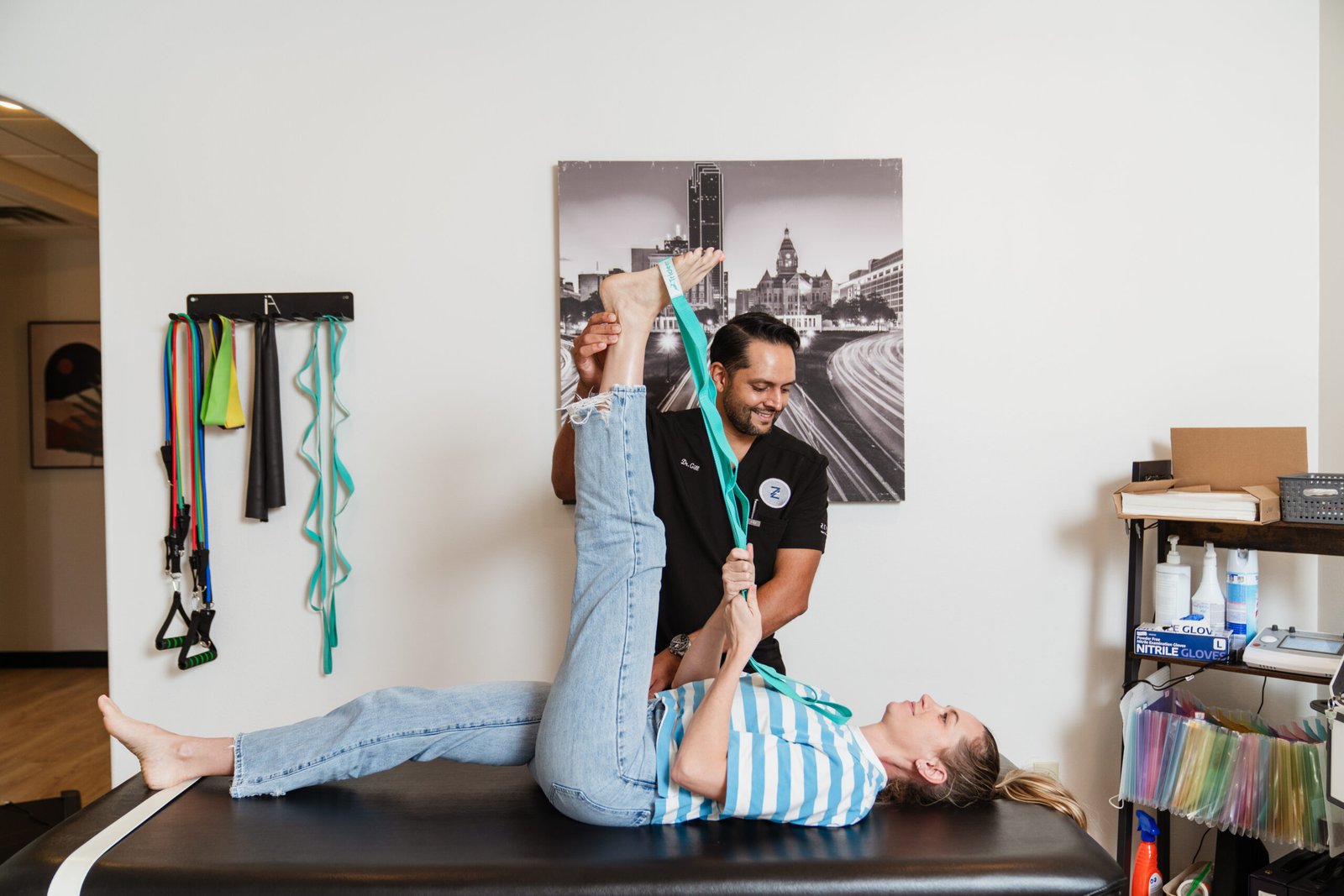
- Range of motion
- Muscle strength
- Reflexes and sensation
- Joint mobility
- Tender or injured areas
- Orthopedic and neurological testing
Functional movement assessments may also be used to identify stiffness, instability, weakness, or uneven movement patterns. Someone with lower back pain, for example, may also show limited hip motion or shift more weight to one side when bending.
These patterns can continue placing stress on the body even after the initial pain begins to ease. Identifying where compensation is occurring helps guide care toward the entire movement system rather than focusing on a single painful area.
Digital X-rays may be recommended when the history and examination suggest that more information is needed about spinal alignment, joint position, or possible injury.
From Evaluation to a Structured Recovery Plan
Once the examination is complete, the chiropractor reviews the findings and explains how they connect to your symptoms and movement limitations.
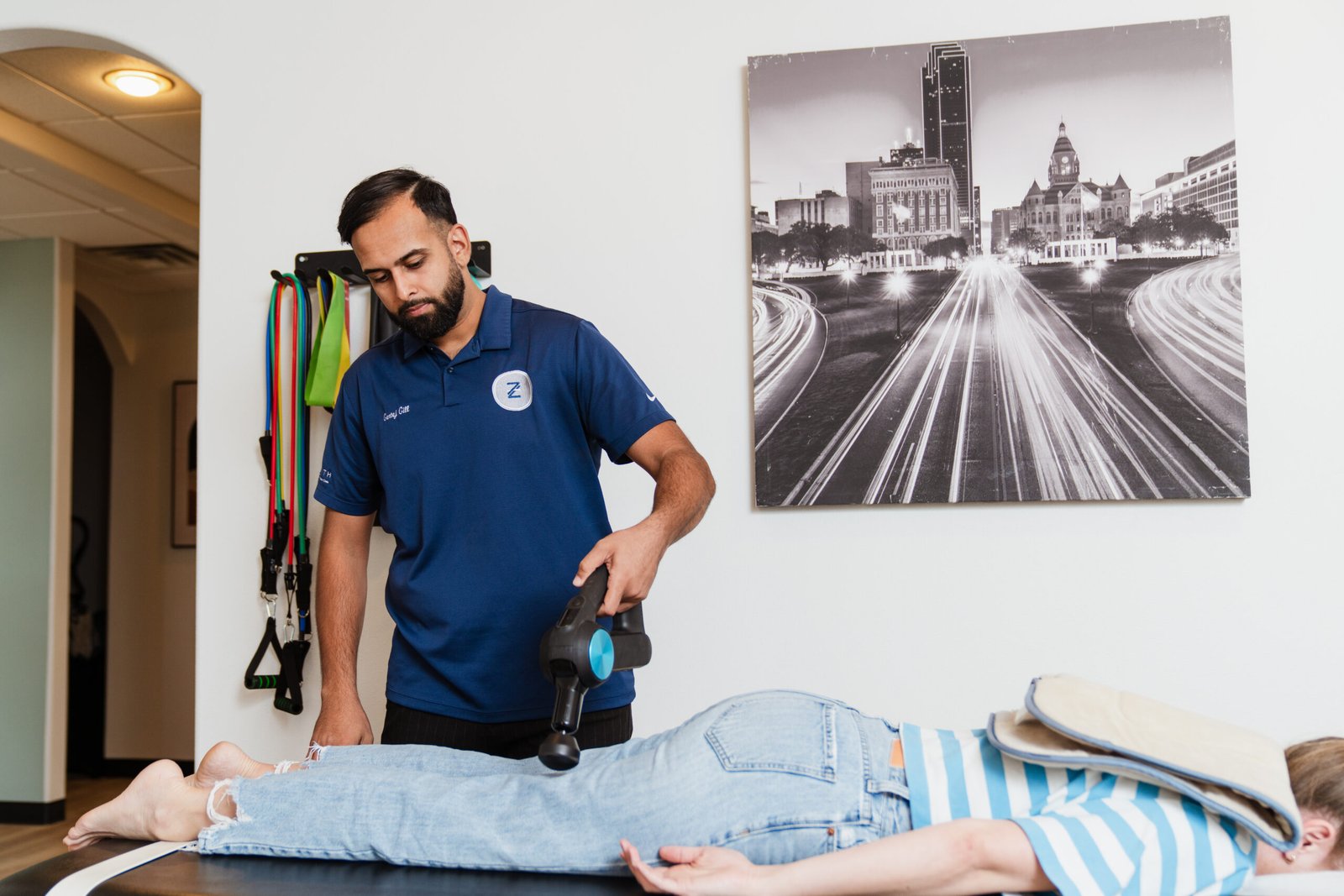
Depending on the injury, care may include chiropractic adjustments along with targeted physical rehabilitation or soft tissue therapy. Recommendations are based on what your body needs at that stage of recovery and may change as movement improves.
Follow-up examinations allow progress to be measured against the original findings. Range of motion, strength, joint mobility, and daily function can be reassessed so care remains connected to clear goals.
Thorough documentation is also part of the process. Evaluation findings, functional limitations, treatment recommendations, and progress notes create a timeline of the injury and recovery. These records support continuity of care and may also be important when treatment is connected to an insurance or legal claim.
If pain, stiffness, headaches, or movement changes have developed after an accident, schedule a personal injury chiropractic evaluation with ZENITH today. A clear starting point makes it easier to understand what changed, track recovery, and build a plan around restoring comfortable movement.