
A slip and fall can affect more than the area that hits the ground.
The body often twists, braces, or reaches out instinctively before impact. That sudden reaction can place stress on the spine, shoulders, hips, muscles, and connective tissues, even when there is no fracture or visible injury.
Some people feel pain right away. Others notice that soreness, stiffness, or difficulty moving becomes more obvious later that day or the following morning.
Chiropractic care may support recovery when the fall has led to joint restriction, muscle tension, or changes in how the body moves. The first step is understanding what was injured and whether chiropractic treatment is appropriate.
How a Fall Can Change the Way You Move
After a fall, pain is often only one part of the problem. You may notice discomfort in the neck, back, shoulder, or hip. Standing up from a chair may feel harder. Bending, walking, lifting, or turning can become more guarded than usual. Headaches, muscle spasms, reduced range of motion, or tingling in the arms or legs may also develop.
The body naturally tries to protect an irritated area. Someone with hip pain may shorten their stride. A sore shoulder may cause the upper back to tighten. Back pain can change the way a person sits, stands, or shifts weight from one side to the other.
Those adjustments can be useful in the moment, but they may create additional strain when they continue. Over time, the original injury and the body’s compensations can begin to overlap.
What Chiropractic Care May Include
Care after a slip and fall should begin with an evaluation of the spine, joints, soft tissues, and movements that have become difficult.
At ZENITH Injury Relief & Wellness Clinic, the examination may look at how the fall happened, where the body made contact, how you are walking or standing, and which movements increase symptoms. Numbness, weakness, balance changes, and other neurological concerns are also considered.
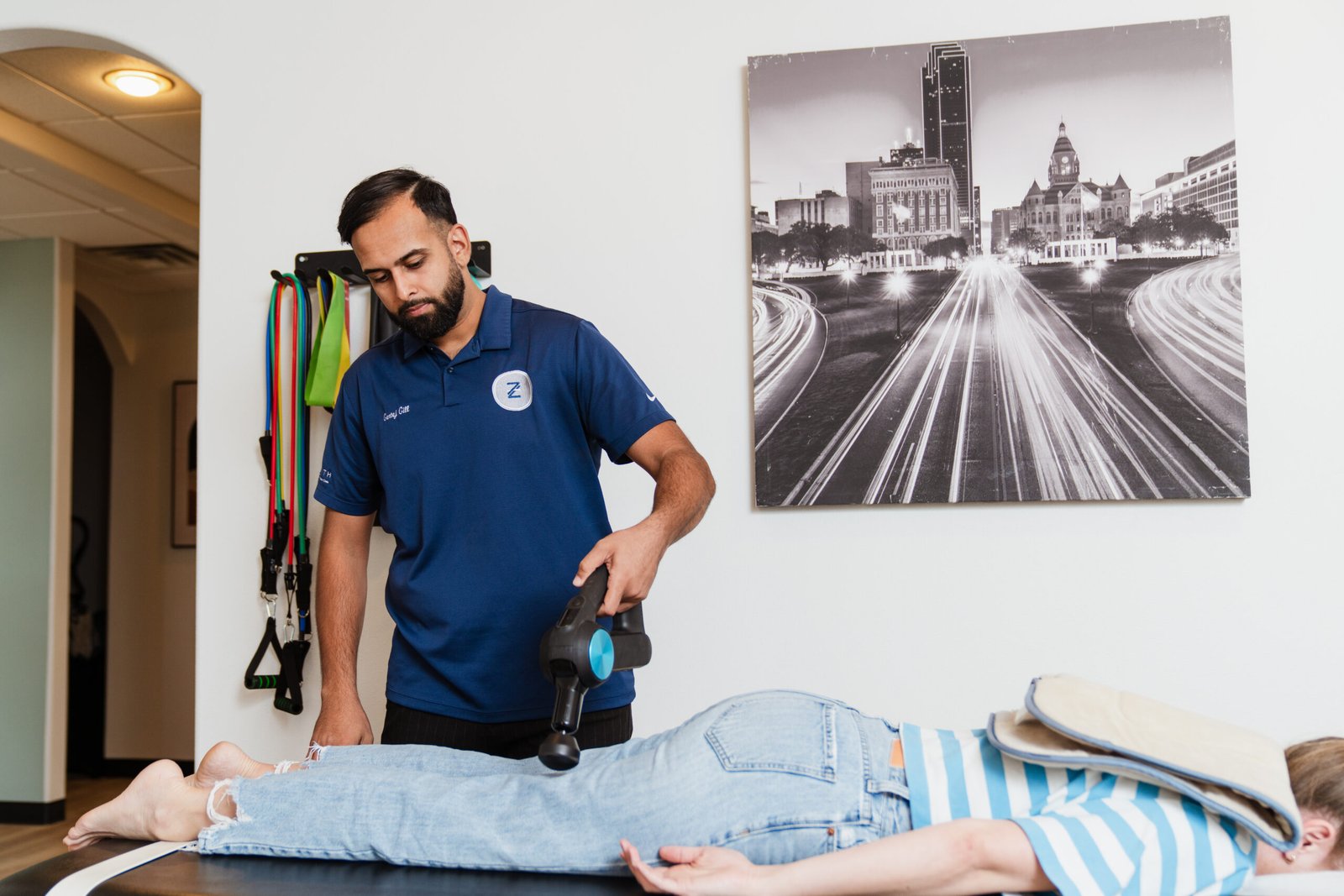
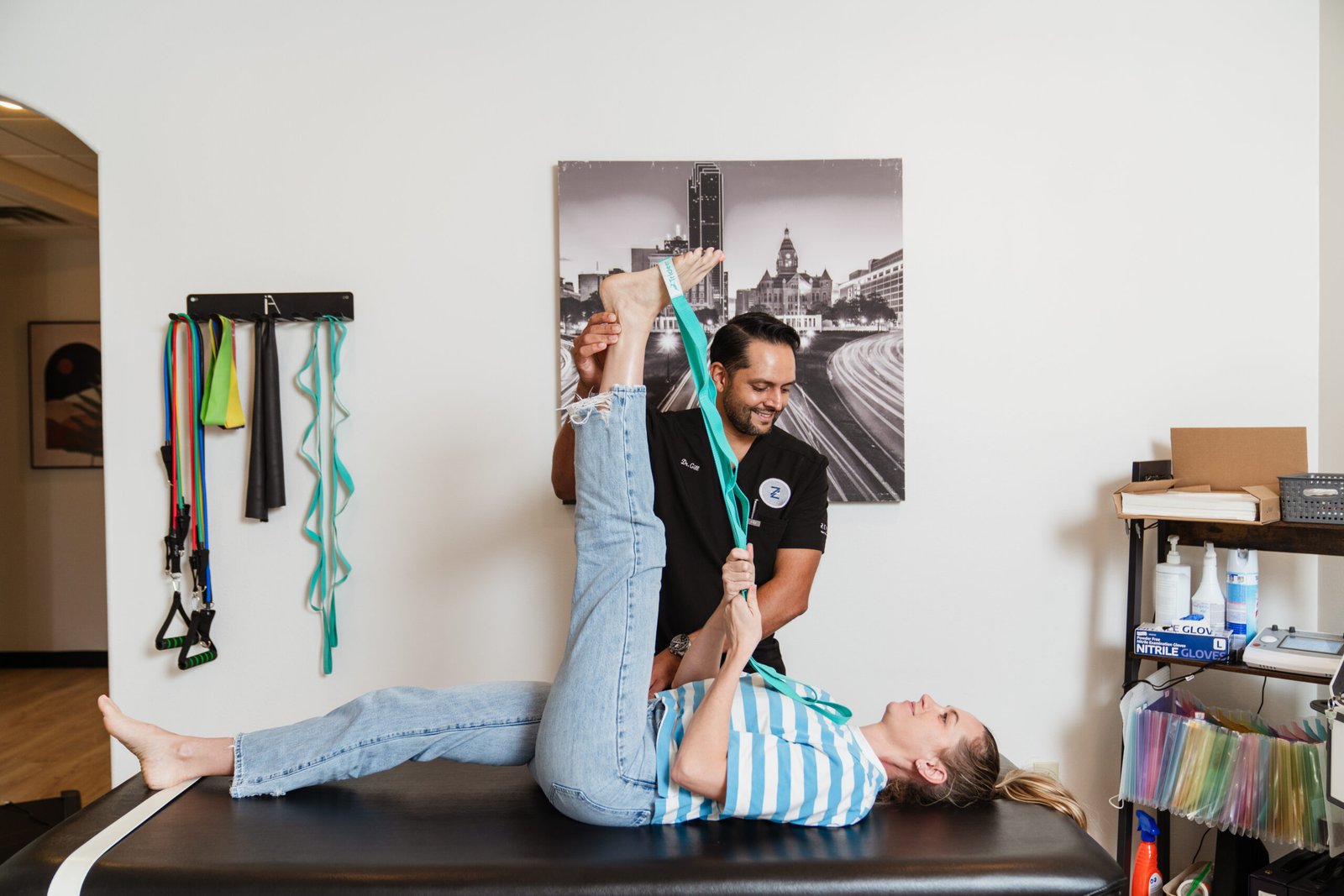
When chiropractic care is appropriate, treatment may include adjustments to improve restricted joint motion, along with soft tissue work or supportive therapies to reduce tension and irritation. Guided mobility and physical rehabilitation exercises may be introduced as movement becomes more comfortable.
The focus can shift throughout recovery. Early care may center on calming irritated areas and helping the body move with less guarding. Later visits may place more emphasis on strength, balance, coordination, and returning to normal activity with better control.
Why the Evaluation Comes First
Some falls lead to injuries that need imaging, medical care, or referral to another provider. In those situations, a chiropractor may coordinate care or refer you to the appropriate medical professional to ensure the injury is properly evaluated and managed.
For other injuries, digital X-rays may be recommended when there is concern about structural damage or when more information is needed before treatment begins.
Progress also needs to be reassessed over time. Pain may improve before balance, strength, and normal movement fully return. Follow-up examinations help track those changes and adjust care based on how the body is responding.
If pain, stiffness, numbness, or movement limitations continue after a fall, schedule an evaluation with ZENITH. The team can assess how the injury affected your movement, document your symptoms, and create a recovery plan based on your current needs.