
Whiplash can develop when the head is forced forward and backward during a collision. Rear-end accidents are a common cause, but any sudden impact can strain the joints, muscles, ligaments, and nerves through the neck and upper spine.
Sometimes the pain is immediate, but that is not always the case. A person may leave the accident feeling sore but functional, then wake up the next day with a stiff neck, a headache, or difficulty turning their head. Symptoms can continue to change over the first several days as inflammation develops and the body’s initial stress response settles.
Common Signs of Whiplash
Neck pain and stiffness are the most familiar symptoms, but they are rarely the whole picture. Whiplash may also cause headaches near the base of the skull, upper back or shoulder pain, muscle tightness, dizziness, fatigue, or pain that becomes more noticeable with movement.
Some people experience tingling or numbness in the arms and hands. Others notice changes in sleep, concentration, balance, or sensitivity to light.
How the body moves after the accident can be just as important as where it hurts. Turning the head may feel limited. The shoulders may remain tense. Sitting, driving, or looking down at a screen may become uncomfortable faster than usual.
These changes often happen because the body is trying to protect the injured area. Muscles tighten, posture shifts, and movement becomes more guarded. That response can be useful at first, but it can also create additional strain when it continues.
Why Symptoms Can Show Up Later
Adrenaline can mask pain immediately after a crash. Inflammation also takes time to build, which is why the full effect of the injury may not be clear at the scene. The next morning often tells a different story.
Stiffness may be stronger. Headaches may begin. Normal movements that felt manageable the day before may suddenly feel restricted.
This delay does not necessarily reflect the seriousness of the injury. Even a low-speed collision can disrupt normal joint motion and trigger protective muscle tension, especially when the body was turned, braced, or unprepared at impact.
How ZENITH Approaches Whiplash Recovery
At ZENITH Injury Relief & Wellness Clinic, a whiplash evaluation looks at the way the accident affected movement across the neck, shoulders, upper back, and surrounding areas.
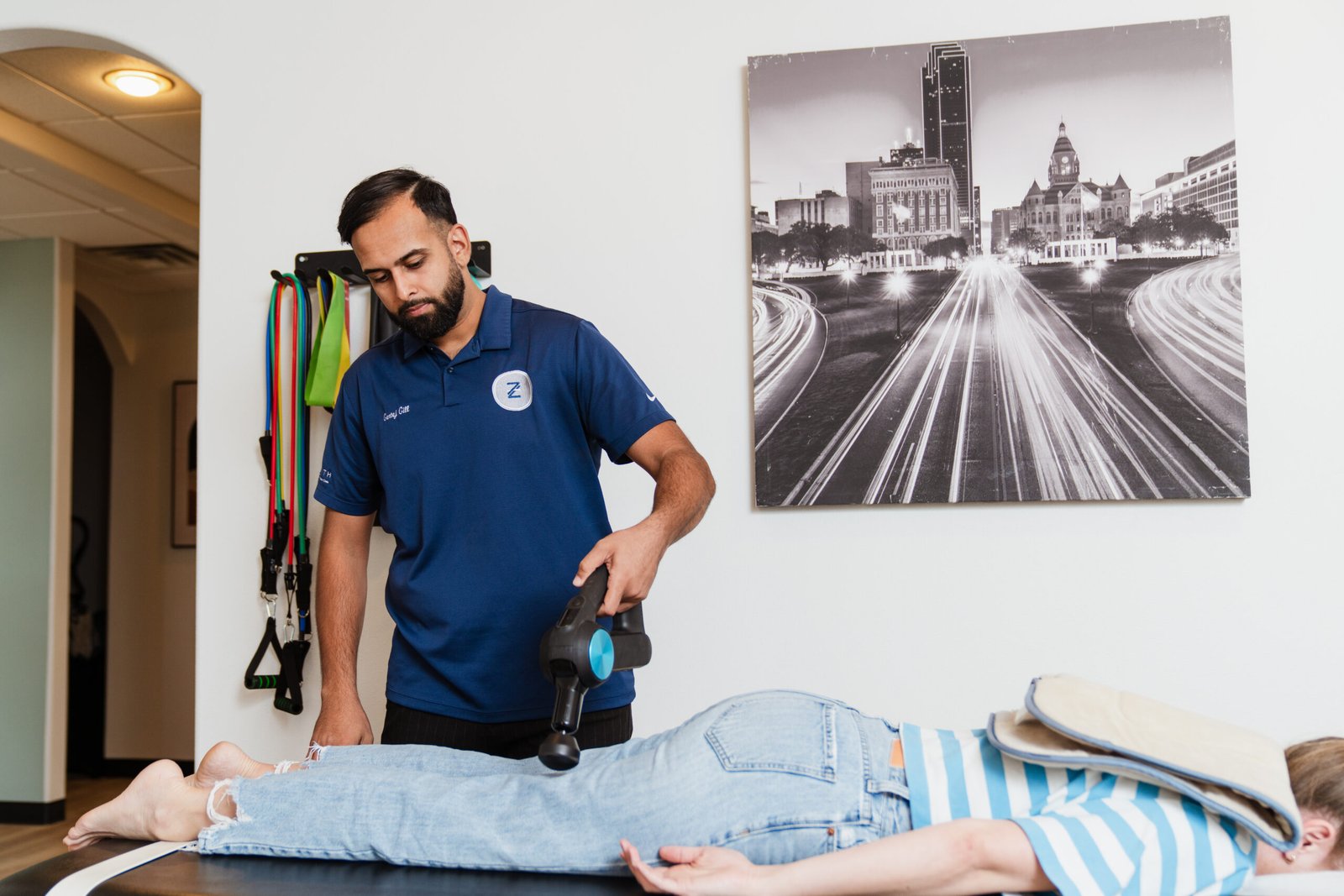
Care may include gentle chiropractic adjustments, soft tissue work, electric muscle stimulation, laser therapy, or guided mobility exercises. The approach changes as the body changes. Early visits may focus on reducing irritation and restoring comfortable motion. Later care may place more emphasis on strength, coordination, and movement control.
That progression matters. A reduction in pain is encouraging, but the body also needs to move well enough to return to driving, work, exercise, and everyday activity without relying on the same guarded patterns.
If you experience severe headache, loss of consciousness, confusion, weakness, vision changes, difficulty walking, chest pain, or loss of bladder or bowel control, seek immediate medical attention.
For ongoing symptoms like neck stiffness, headaches, shoulder tension, numbness, or limited movement after a car accident, schedule an evaluation with ZENITH. The team can assess how the collision affected your movement, document the injury, and create a recovery plan tailored to your current needs.