
During recovery, stiffness is often the first thing people notice. A joint feels restricted, a muscle feels tight, or certain movements take more effort than they used to.
But sometimes mobility starts improving and everyday activity still does not feel right.
A leg may tire halfway up the stairs. An ankle may have its range of motion back but still feel unreliable on uneven ground. A shoulder may move overhead again but struggle once weight is added.
In situations like these, weakness may be playing a larger role than stiffness alone. Physical rehabilitation helps rebuild the strength, control, and endurance needed to use that returning movement effectively.
Weakness After an Injury Does Not Always Feel Obvious
Most people think of weakness as being unable to lift something or produce force. During injury recovery, it can be more subtle.
Pain and swelling can temporarily reduce how effectively certain muscles activate. Time spent resting or protecting an injured area can also reduce strength and endurance. Even after the area begins feeling better, those qualities may take longer to return.
A knee that bends normally again may still feel shaky during a step-down. Someone recovering from a back injury may be able to move through a full range but fatigue quickly when standing, lifting, or working around the house.
This is one reason stretching can reach a point of diminishing returns. If motion has improved but the body cannot control or sustain that motion under load, repeatedly trying to become more flexible may not address what is actually limiting the activity.
Understanding the difference between mobility and flexibility can help explain why having a better range of motion does not always mean being ready for normal activity.
Rehabilitation Rebuilds What Daily Activity Requires
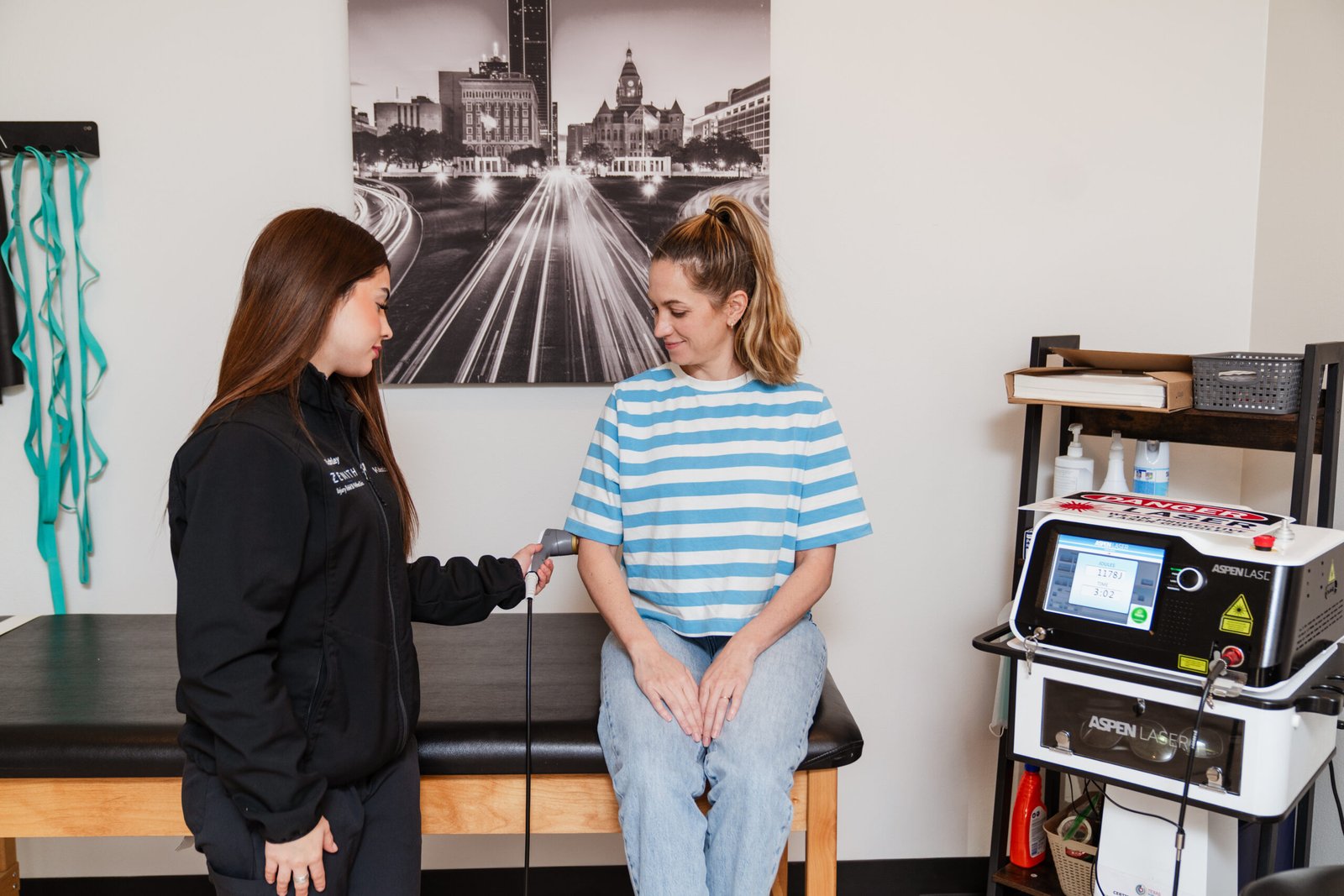
Physical rehabilitation gives recovery a progressive structure.
Early exercises may focus on activating muscles that have not been working efficiently and restoring comfortable control through basic movements. From there, resistance and complexity can increase as the body becomes more capable.
A lower-body rehabilitation plan, for example, might progress from controlled strengthening into weight-bearing work, balance, stairs, or direction changes. For an upper-body injury, the progression may move from basic shoulder control toward reaching, carrying, lifting, or other tasks the patient needs to perform regularly.
Strength is only one part of that progression. Endurance, balance, coordination, and the ability to maintain control as a movement becomes more demanding also influence whether someone feels ready to return to normal activity.
At ZENITH Injury Relief & Wellness Clinic in Frisco, physical rehabilitation is adjusted around what the patient can currently perform and what still breaks down as the demands increase.
Feeling Better and Being Ready for Activity Are Different Stages
Pain often improves before full physical capacity returns.
That difference becomes more noticeable when patients resume longer workdays, workouts, sports, lifting, or other activities that place greater demand on the recovering area. A movement that feels fine for one repetition may become uncomfortable or poorly controlled after several minutes of effort.
Rehabilitation helps close that gap gradually.
Exercises can become more challenging as strength and tolerance improve, rather than jumping directly from basic recovery into full activity. Progress can also be adjusted when an area becomes irritated or when a particular movement remains more difficult than expected.
This is where functional movement assessment can help identify differences in movement, control, and physical performance that may still affect recovery.
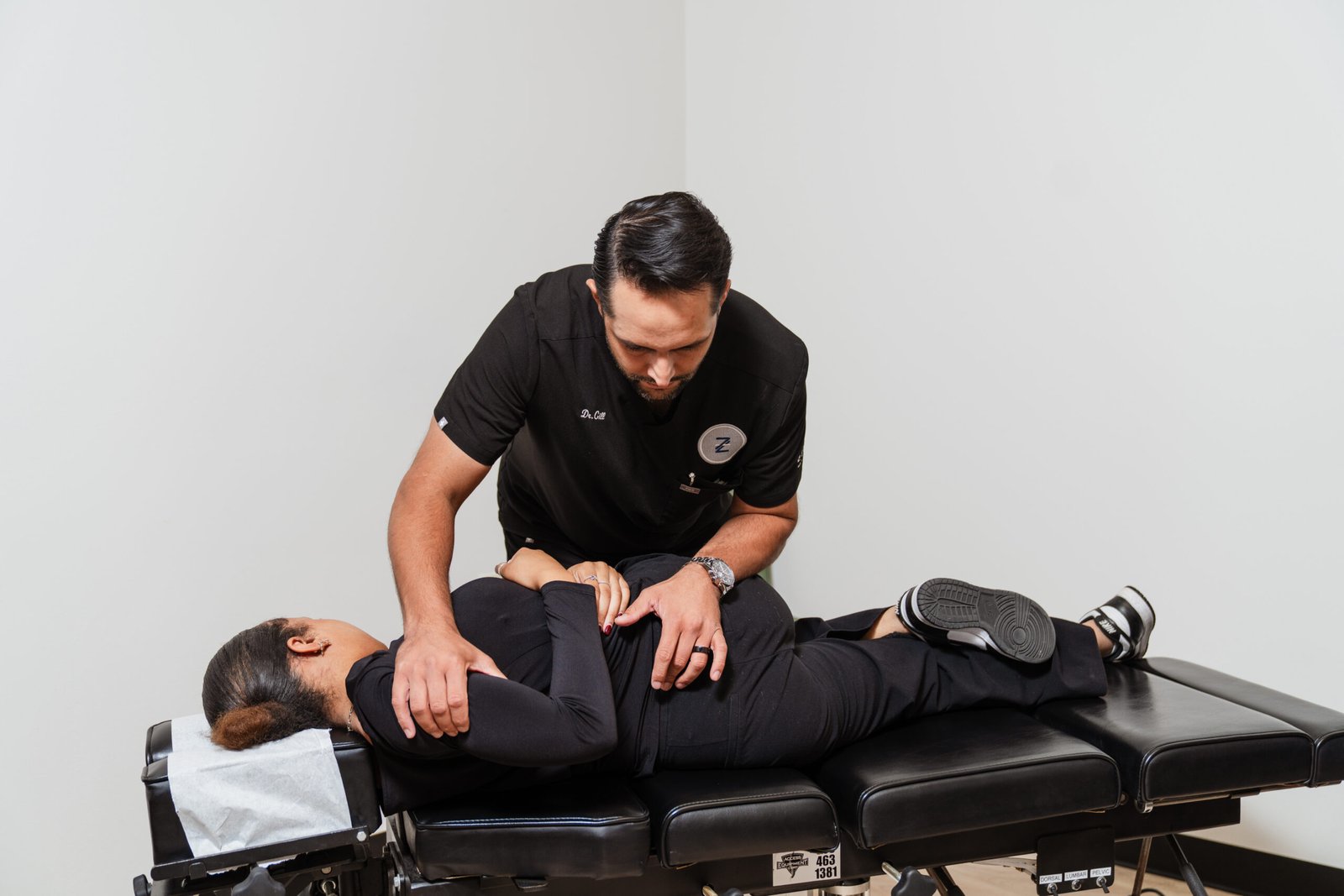
Chiropractic care may also be incorporated alongside rehabilitation when appropriate, depending on the patient’s needs and evaluation findings.
This allows recovery to move beyond temporary relief and toward the strength needed for actual day-to-day demands.
If stiffness has improved but your body still feels weak, unstable, or easily fatigued after an injury, schedule a physical rehabilitation evaluation with ZENITH. We can identify where strength or control still needs to improve and build a progression around the activities you are working to return to.