
A herniated disc can affect more than the area where it starts. When disc material irritates a nearby nerve, pain may travel into the arm or leg and come with tingling, numbness, weakness, or reduced mobility.
For some patients, surgery may be necessary. Others may be able to begin with conservative care. At ZENITH Injury Relief & Wellness Clinic, Triton spinal decompression may be used for selected disc-related conditions to reduce mechanical stress and make movement more comfortable.
Why Herniated Discs Can Cause Widespread Symptoms
Spinal discs sit between the vertebrae and help the spine absorb load. When a disc bulges or herniates, nearby nerves may become irritated.
Symptoms can include:
- Neck or low back pain
- Sciatica
- Pain traveling into an arm or leg
- Numbness or tingling
- Muscle weakness
- Pain that changes with position or activity
Imaging helps identify the disc problem, but treatment also depends on how the patient is functioning. Strength, sensation, mobility, and symptom patterns help determine whether the imaging findings match what the patient is experiencing.
Patients who want to better understand the distinction between the two conditions can also learn more about the difference between a herniated disc and a bulging disc.
How Triton Spinal Decompression Works
Triton spinal decompression uses controlled traction to gently unload a targeted area of the spine.
The system allows the provider to adjust the amount and pattern of traction based on the condition and how the patient responds. The goal is to reduce mechanical pressure around the irritated spinal segment and improve tolerance for movement.
Spinal decompression may be considered for herniated or bulging discs, sciatica, degenerative disc-related symptoms, and certain types of chronic neck or low back pain.
You can also learn more about when spinal decompression therapy is recommended and what it does.
It is not appropriate for every case. Significant neurological changes, certain health conditions, or rapidly worsening symptoms may require another approach or medical referral.
Why Decompression May Be Combined With Other Care
Disc pain often changes the way a patient moves. When sitting, bending, walking, or rotating becomes uncomfortable, muscles may tighten, joints can become restricted, and strength may decrease.
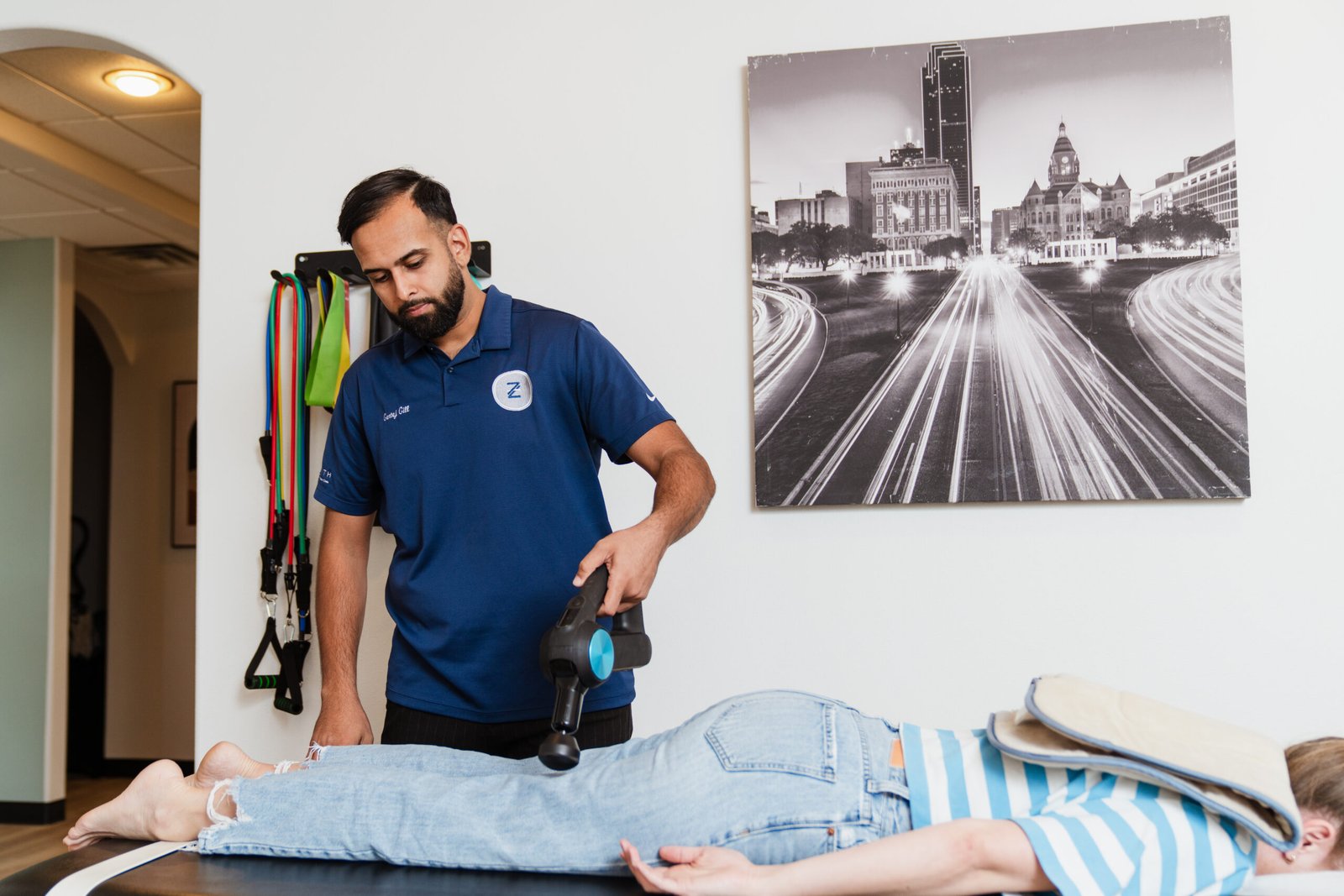
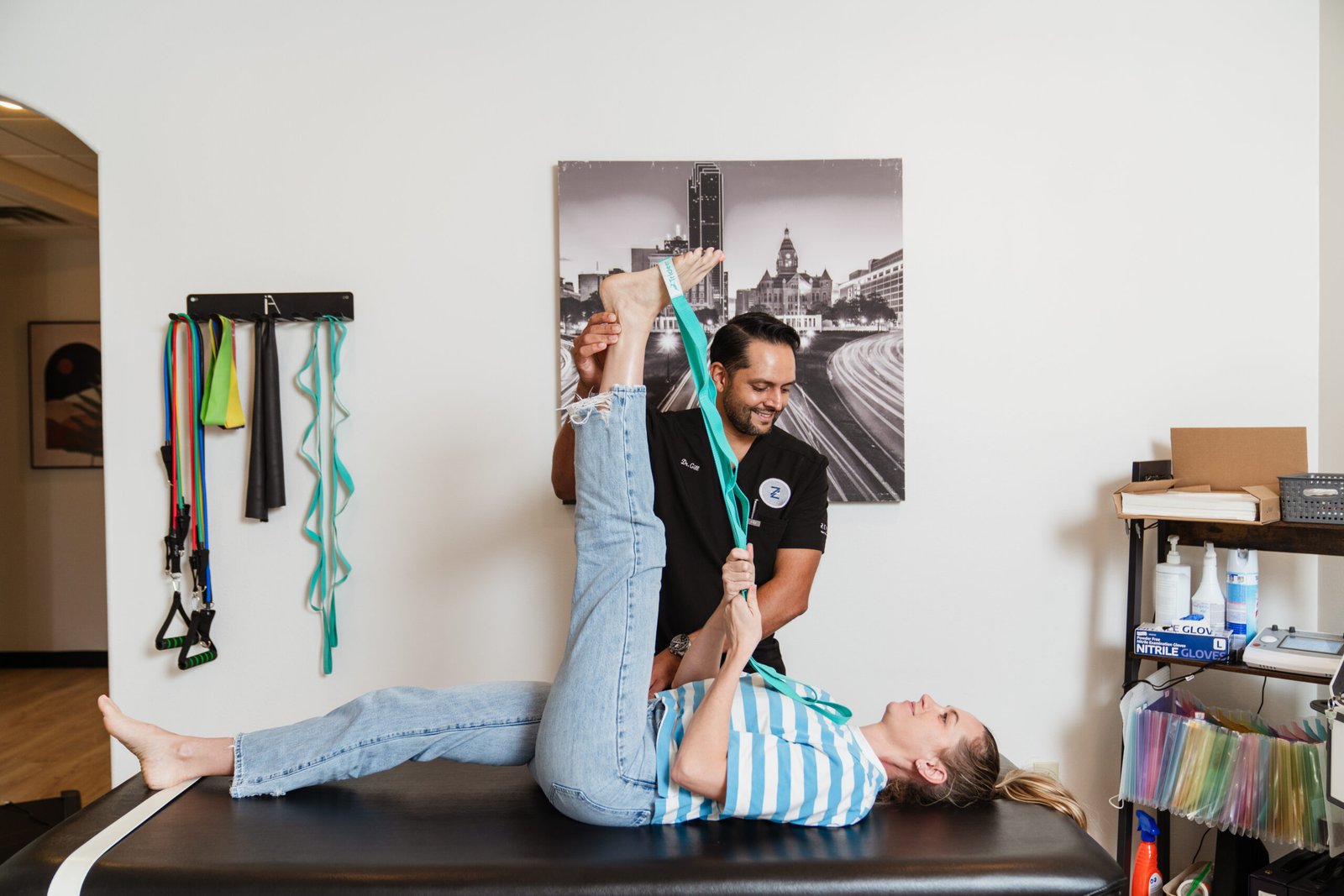
For that reason, decompression at ZENITH may be combined with chiropractic adjustments, Class IV laser therapy, or physical rehabilitation when appropriate. Each supports a different part of recovery, from joint motion and irritated tissue to strength and movement tolerance.
Progress is reviewed throughout care so treatment can change as symptoms and function improve.
What Results Should You Expect?
Spinal decompression does not guarantee that a herniated disc will disappear. Response depends on the severity of the condition, how long symptoms have been present, and whether nerve involvement is present.
Useful progress may look like less radiating pain, easier movement, improved sitting or walking tolerance, or a gradual return to normal activity.
Progressive weakness, significant loss of sensation, bowel or bladder changes, saddle numbness, or rapidly worsening neurological symptoms require prompt medical evaluation.
If you have a herniated or bulging disc and want to know whether conservative care may be appropriate, schedule a consultation with ZENITH. The goal is to understand how the disc is affecting movement, nerve symptoms, and daily function, then decide whether Triton spinal decompression has a meaningful role in your care.