
When the same strain or discomfort keeps returning, the useful question is often what the body is struggling to do consistently.
A functional movement assessment looks at how someone bends, squats, reaches, balances, rotates, or performs other movements related to daily activity, work, or exercise. The purpose is to identify where mobility, control, strength, or physical capacity may be falling short of the demands being placed on the body.
At ZENITH Injury Relief & Wellness Clinic in Arlington, those findings can help shape rehabilitation around the movements that are actually difficult rather than relying only on where symptoms are felt. This reflects ZENITH’s approach to evaluating movement, not just pain.
Where Mobility or Control May Be Limited
Recurring problems can sometimes show up during specific movements long before they are obvious during rest.
A patient may have limited ankle motion during a squat, reduced hip mobility while bending, or difficulty controlling the trunk during lifting. Another person may move comfortably through a simple exercise but lose stability when the task becomes more demanding.
A functional movement assessment may reveal:
- Restricted motion through a joint
- Differences between the left and right sides
- Difficulty maintaining balance
- Reduced control through part of a movement
- Symptoms that consistently appear during a particular task
These findings do not automatically explain every recurring injury. They provide a clearer starting point for deciding what needs further evaluation and which physical abilities may need to improve.
Understanding the difference between mobility and flexibility can also help identify why a patient may struggle with certain movements even when basic flexibility appears adequate.
When the Activity Demands Exceed Current Capacity
Sometimes the issue is less about one movement and more about whether the body is prepared for the amount of work being asked of it.
A patient recovering from a back strain may be comfortable during normal household activity but still fatigue during repeated lifting at work. An athlete may walk and jog without difficulty but lack the strength or control needed for faster running, jumping, or changing direction.
The assessment can help show where that gap appears. That information can then be compared with the patient’s injury history, training volume, work demands, and recovery progress. If a particular task repeatedly brings symptoms back, rehabilitation can focus more directly on the strength, endurance, balance, or coordination required for that activity.
For patients experiencing repeated episodes of discomfort, recurring injuries and why pain can return after initial relief is another important part of understanding the recovery process.
How the Findings Shape Rehabilitation
A movement assessment becomes most useful when it leads to a more specific rehabilitation plan.
Recurring discomfort during bending may lead to closer work on hip mobility, trunk strength, lifting mechanics, or tolerance for repeated loading. Repeated ankle strains may call for more attention to balance, joint motion, strength, and control during stepping or directional changes.
Treatment can then progress from basic mobility or strengthening into movements that more closely resemble what the patient needs to do in real life.
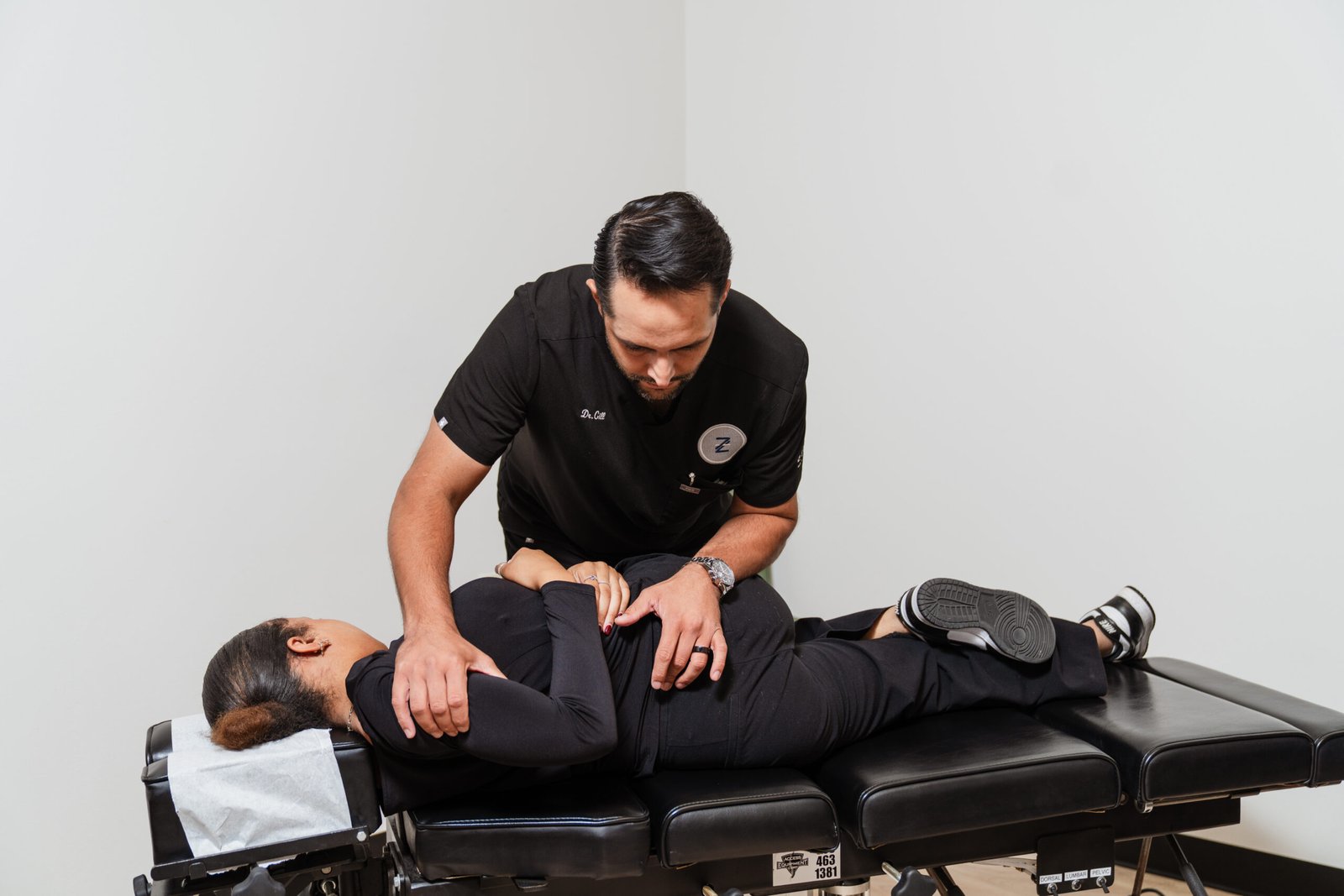
At ZENITH, functional movement assessments may be used alongside physical rehabilitation and chiropractic care when appropriate. Progress can also be reassessed over time to see whether the movements that were initially difficult are becoming stronger, smoother, and easier to tolerate.
This approach is also discussed in ZENITH’s article about combining chiropractic care and physical rehabilitation after an injury.
If the same strain or injury keeps returning during work, exercise, or everyday activity, schedule a functional movement assessment with ZENITH. A closer look at how you move can help identify which physical limitations may still need attention and guide a more targeted rehabilitation plan.