
After a car accident, pain is only one part of what may change.
You may notice that turning your head takes more effort, getting out of a chair feels stiffer, or one side of your body moves differently than it did before the collision. Sometimes the change is subtle enough that you notice the task feels harder before you can explain exactly why.
At ZENITH Injury Relief & Wellness Clinic, post-accident chiropractic care looks at those functional changes alongside symptoms. The way the neck, back, and surrounding joints move can provide useful information about how the collision affected everyday function.
What Movement Can Reveal After a Collision
A car accident can alter range of motion even when there is no obvious external injury.
Neck rotation may be reduced. Bending or reaching may become uncomfortable in one direction. Sitting for longer periods may feel different than it did before the crash. Some patients also notice that movements they normally perform without thinking now require more effort or caution.
These changes give the chiropractor another way to understand the injury. Rather than relying only on a pain score, the evaluation can compare how far a joint moves, whether a particular motion reproduces symptoms, and whether movement is noticeably different from one side to the other.
That helps connect what the patient is feeling with what the body is currently able to do. This is also why ZENITH’s approach to chiropractic evaluation looks at movement, not just pain.
What a Chiropractic Movement Evaluation May Include
The examination is shaped by the symptoms and the mechanics of the accident.
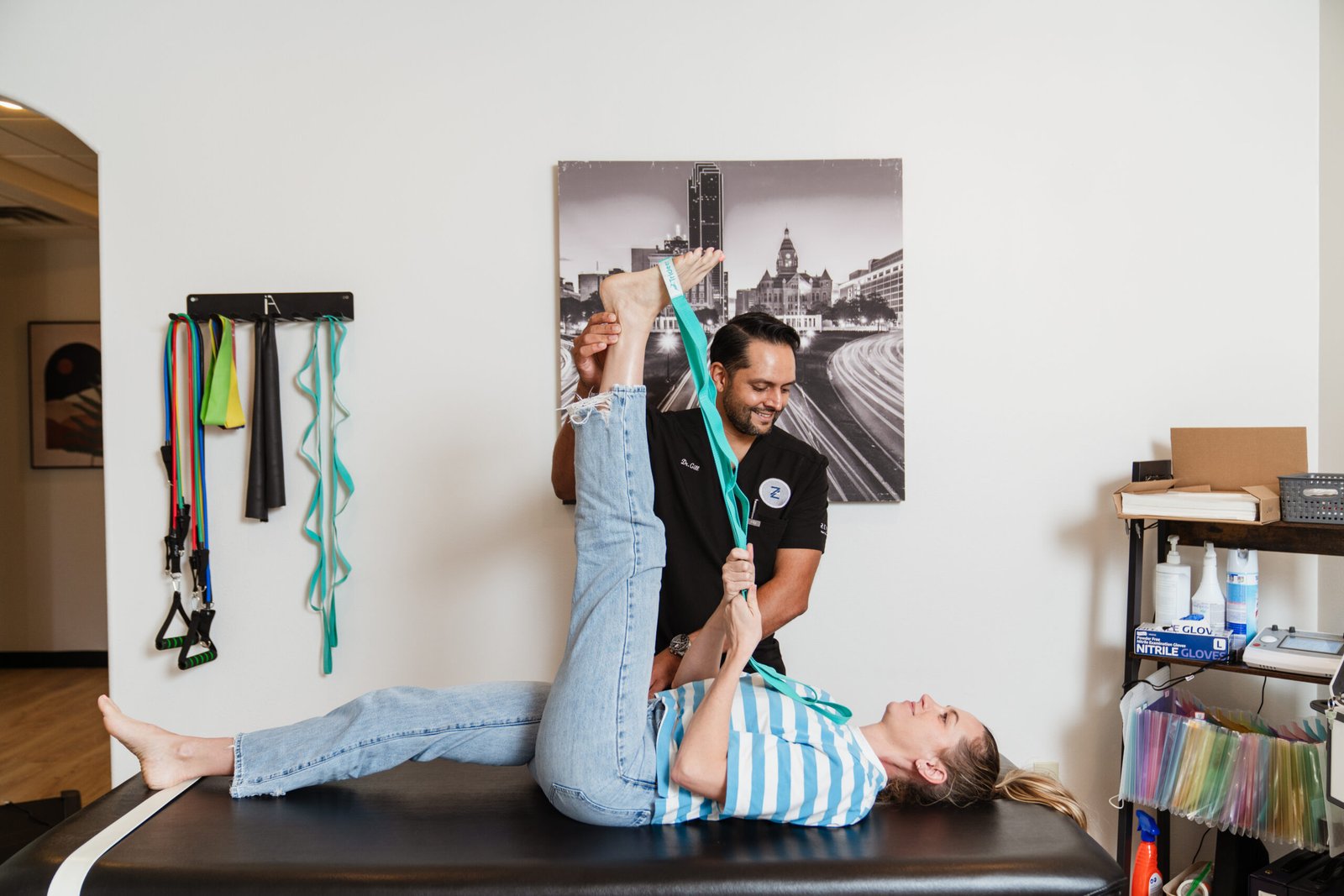
A clinician may assess neck and spinal range of motion, joint mobility, muscular tension, posture, and basic movements related to the patient’s daily activities. Neurological findings may also be checked when symptoms suggest nerve involvement.
For example, difficulty looking over the shoulder can be relevant for someone who drives regularly. Lower back stiffness may show up most clearly when moving between sitting and standing. A patient whose work involves lifting or reaching may notice limitations that are less obvious during rest.
Neck stiffness and reduced rotation can also occur with whiplash after a car accident, which can involve more than pain alone.
At ZENITH, functional movement testing can be added when a more detailed look at movement is useful. The findings help establish which limitations should be addressed and provide a practical reference point for later visits.
How Movement Findings Guide Recovery
Once the affected movements are identified, treatment can be directed toward restoring the functions that have changed.
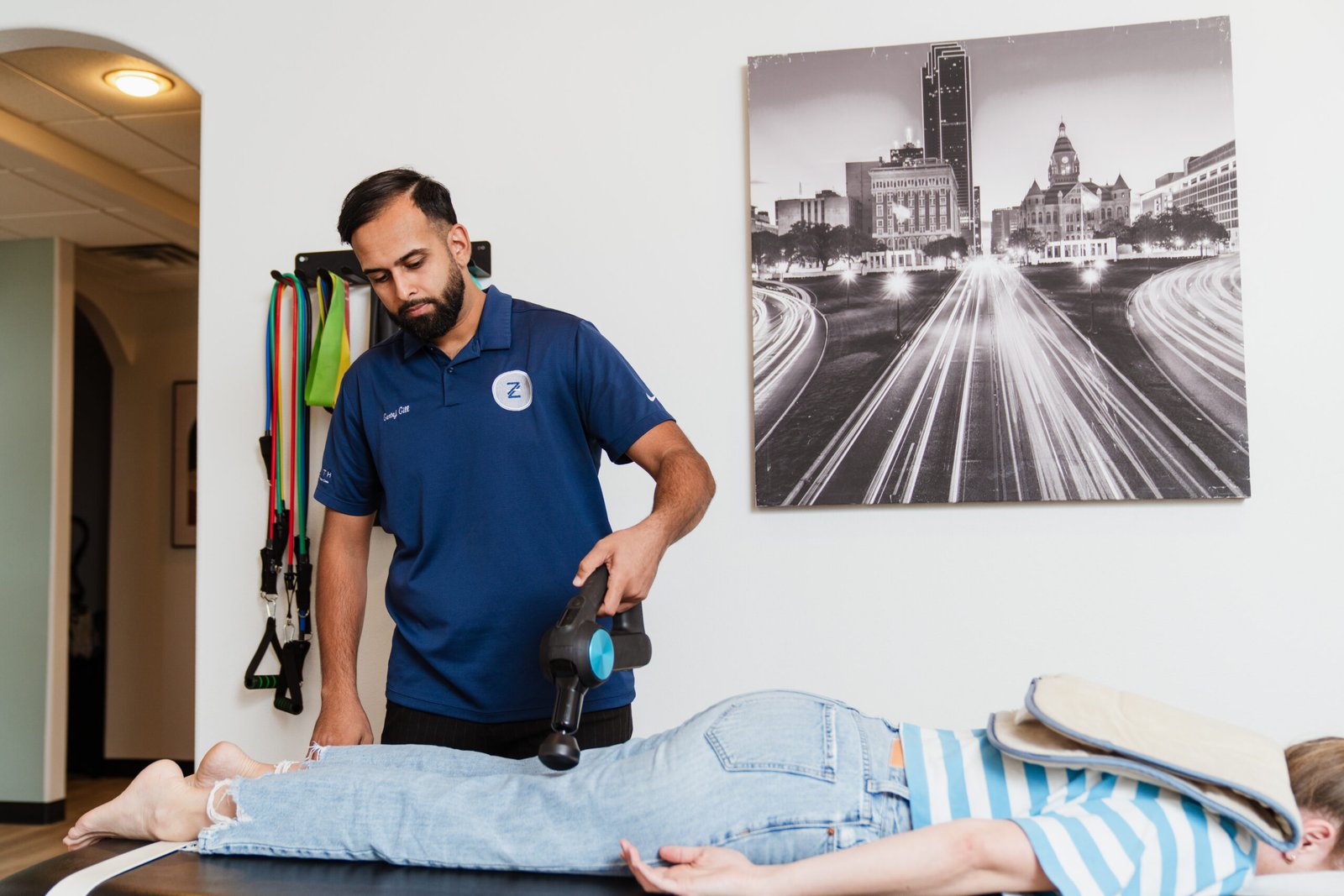
Chiropractic adjustments may be used when joint motion is restricted. Physical rehabilitation can help rebuild strength, control, or tolerance for activities that remain difficult. Stretching or soft tissue care may be incorporated when stiffness or tissue restriction is limiting comfortable motion.
Re-examinations provide a way to compare progress over time. A patient may report less pain, but the ability to turn the neck fully, sit comfortably, or return to normal activity provides additional information about how recovery is progressing.
This keeps treatment connected to what the patient actually needs to regain after the accident rather than relying on symptoms alone.
If your neck, back, or everyday movements feel different after a car accident, schedule an auto injury evaluation with ZENITH. A chiropractic assessment can help identify what has changed and build a care plan around restoring comfortable, functional movement.