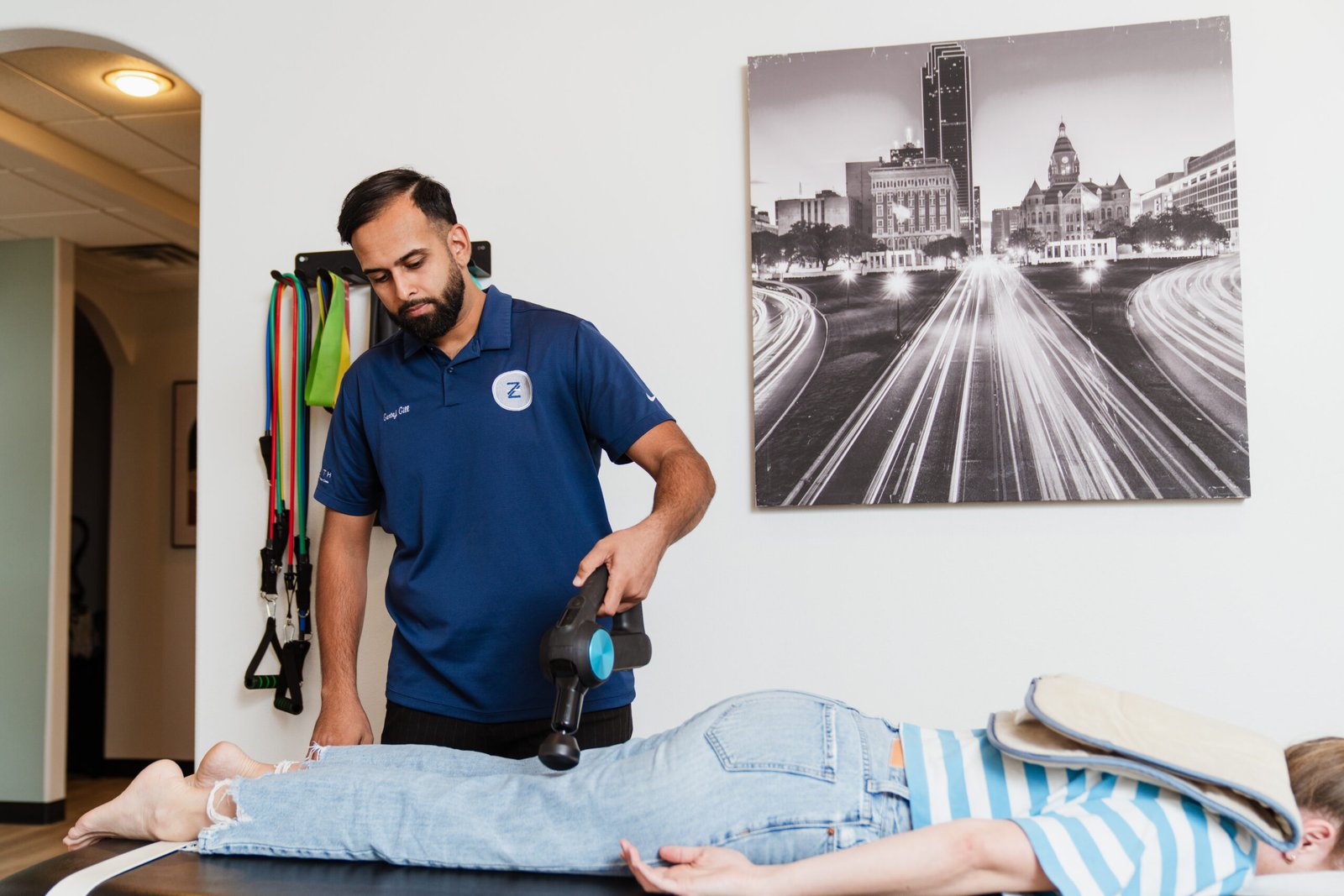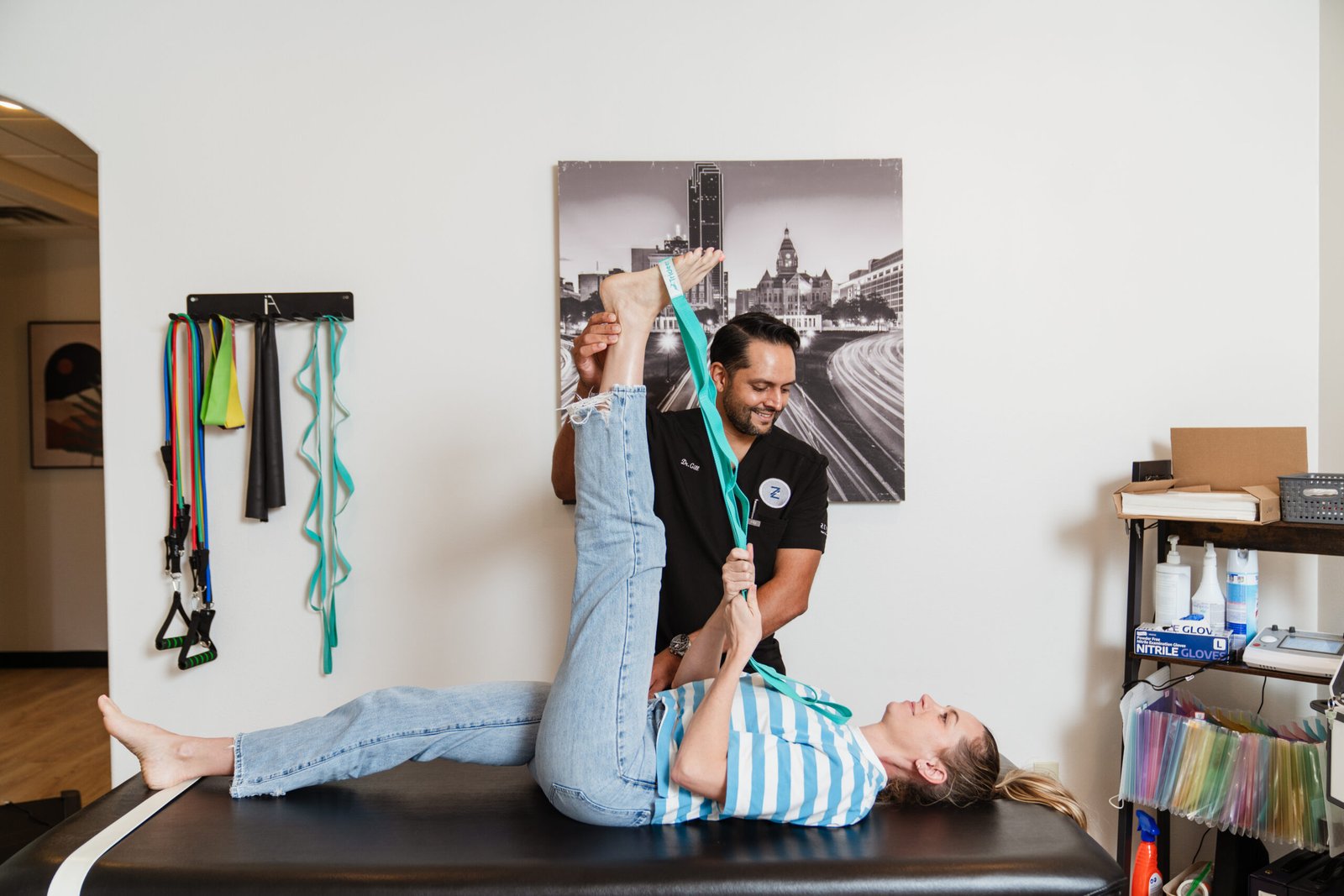

Spinal decompression is often discussed as a treatment for back pain, but it is not intended for every type of discomfort.
At ZENITH Injury Relief & Wellness Clinic in Hurst, decompression is considered when the evaluation suggests that disc pressure or nerve irritation may be contributing to the patient’s symptoms. That can include certain disc injuries, sciatica, and some forms of chronic back pain.
The decision depends on what is actually driving the problem. Two people may describe similar lower back pain and still need very different care.
What Spinal Decompression Is Designed to Address
Spinal decompression therapy uses controlled traction to gently unload the spine and reduce pressure around affected discs and nearby structures.
For a patient with a disc-related problem, that can create a more favorable environment for the irritated area while reducing stress on tissues that may be contributing to pain or nerve symptoms.
This is especially relevant when symptoms suggest more than general muscular soreness. A bulging or herniated disc, for example, may irritate nearby nerves and contribute to pain that travels into the hip or leg. Sciatica can present in a similar way when nerve irritation is involved.
In these cases, decompression may be considered as part of a conservative treatment plan before more invasive options are explored.
When Decompression May Be Appropriate
The recommendation usually comes down to the source and pattern of the symptoms.
A patient with persistent lower back pain that worsens with certain positions may present differently from someone whose discomfort is primarily muscular. Numbness, tingling, or pain that extends into the leg can also point toward nerve or disc involvement that deserves closer evaluation.
At ZENITH, spinal decompression may be considered when the findings are consistent with disc injury, sciatica, or a chronic spinal condition that may respond to unloading.
This is why persistent symptoms should be evaluated rather than assuming every case of back pain has the same cause. As discussed in ZENITH’s guide to lower back pain treatment in Hurst, recurring pain may involve the spine, discs, nerves, hips, muscles, or surrounding movement patterns.
The treatment is monitored over time rather than used automatically. How the patient responds helps determine whether decompression should continue, be adjusted, or be replaced with another approach.
How Decompression Fits Into a Broader Recovery Plan
For some patients, decompression is only one part of care.
If restricted joint motion is also present, chiropractic care may be used alongside decompression. Physical rehabilitation may be added when strength, stability, or control needs to be rebuilt. Other therapies may be considered when muscle tension or tissue restriction is limiting comfortable movement.
Each part of the plan should have a specific purpose. A patient with disc-related pain may benefit from decompression to reduce pressure, while still needing additional support to improve movement and return to daily activity more comfortably. Another patient may respond well to chiropractic care or rehabilitation without needing decompression at all.
At ZENITH, the recommendation depends on the pattern of symptoms, whether nerve irritation is involved, how the spine is moving, and whether a disc-related problem is suspected. Treatment can then be adjusted as the patient responds rather than built around a single therapy.
If you are dealing with persistent back pain, sciatica, or symptoms that may be related to a disc injury, schedule an evaluation with ZENITH to determine whether spinal decompression should be part of your care plan.